English
 中文简体
中文简体 Español
Content
- 1 1. The Rise of Personalization in the Shoe & Bag Industry (2026 Market Context)
- 2 2. Understanding the Core Advantages of Colored Nylon Filament
- 3 3. 2026 Color Trends Shaping Colored Nylon Filament Applications
- 4 4. Sustainability in Colored Nylon Filament Sourcing & Production
- 5 5. Practical Implementation for Wholesale Buyers
- 6 FAQ: Key Questions About Colored Nylon Filament for Shoe & Bag Markets
- 7 References
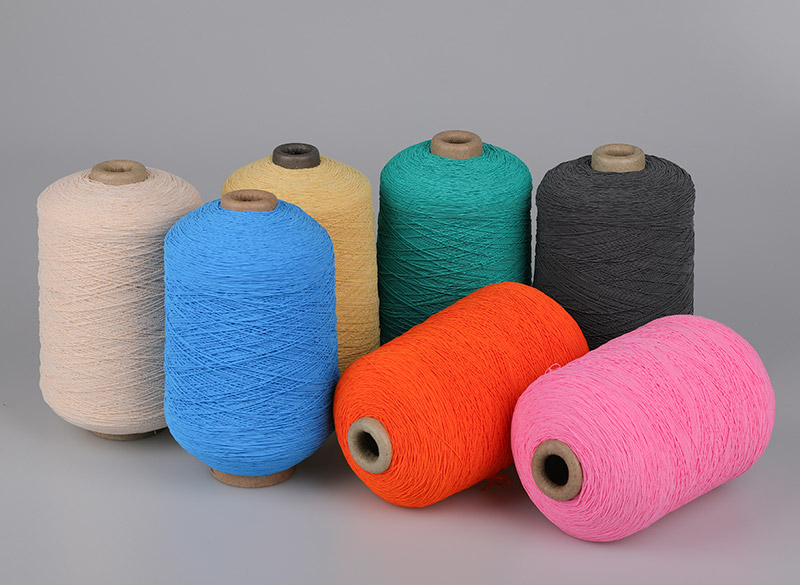
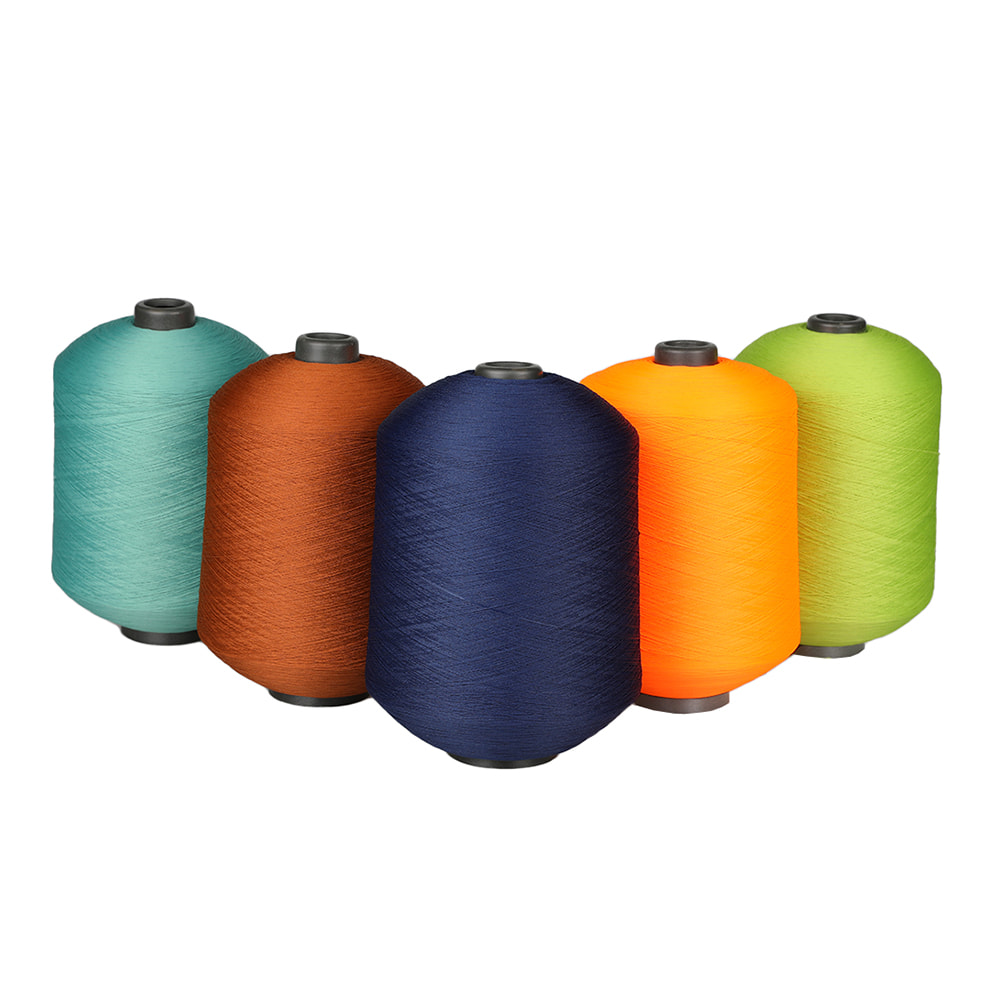
The global shoe and bag industry is experiencing a seismic shift toward personalized products, with B2B buyers and manufacturers increasingly prioritizing materials that support unique design and color customization. At the heart of this trend is Colored Nylon Filament, a versatile material that aligns with 2025’s color trends while meeting the technical demands of large-scale production. This analysis explores how this material is redefining customization and what wholesale buyers need to know to leverage its full potential.
1. The Rise of Personalization in the Shoe & Bag Industry (2026 Market Context)
1.1 Shifting Consumer Demands for Bespoke Products
Consumers now expect products that reflect individual style, with 68% of B2C retailers reporting increased requests for custom-colored shoe and bag designs (per textile industry research). This demand trickles up to B2B supply chains, forcing manufacturers to adopt materials that support quick color adjustments and small-batch production without sacrificing quality.
1.2 Industry Drivers Behind Customization Adoption
Three key factors fuel the customization wave: advanced manufacturing technologies (e.g., digital weaving), reduced minimum order quantities (MOQs) for textile materials, and growing brand differentiation strategies. Colored Nylon Filament addresses all three, making it a cornerstone material for 2026’s market landscape.
2. Understanding the Core Advantages of Colored Nylon Filament
2.1 Material Properties That Enable Customization
Colored Nylon Filament offers unique mechanical properties that set it apart for custom shoe and bag production:
- High tensile strength (8-9 g/denier) that maintains structural integrity across color variations
- Color fastness to UV light and washing (ASTM D6544 compliant), critical for long-lasting custom designs
- Melt-spinnable formulation that allows on-demand color blending during production
These properties make it ideal for both luxury and mass-market customization needs.
2.2 Cost & Performance Comparison – Colored Nylon Filament vs Traditional Textile Materials
For wholesale buyers, balancing cost and performance is non-negotiable. The table below compares Colored Nylon Filament to traditional materials like polyester filament and cotton thread, focusing on metrics relevant to shoe and bag manufacturing:
| Material | Cost per kg (2026 avg) | Durability (wear resistance cycles) | Color customization flexibility |
| Colored Nylon Filament | $8.20-$9.50 | 150,000+ | High (100+ pre-dyed shades; on-demand blending) |
| Polyester Filament | $5.80-$6.90 | 120,000+ | Medium (50+ pre-dyed shades; limited blending) |
| Cotton Thread | $7.10-$8.30 | 80,000+ | Low (30+ pre-dyed shades; poor color retention) |
3. 2026 Color Trends Shaping Colored Nylon Filament Applications
3.1 Dominant Color Palettes for Luxury Shoe Manufacturing
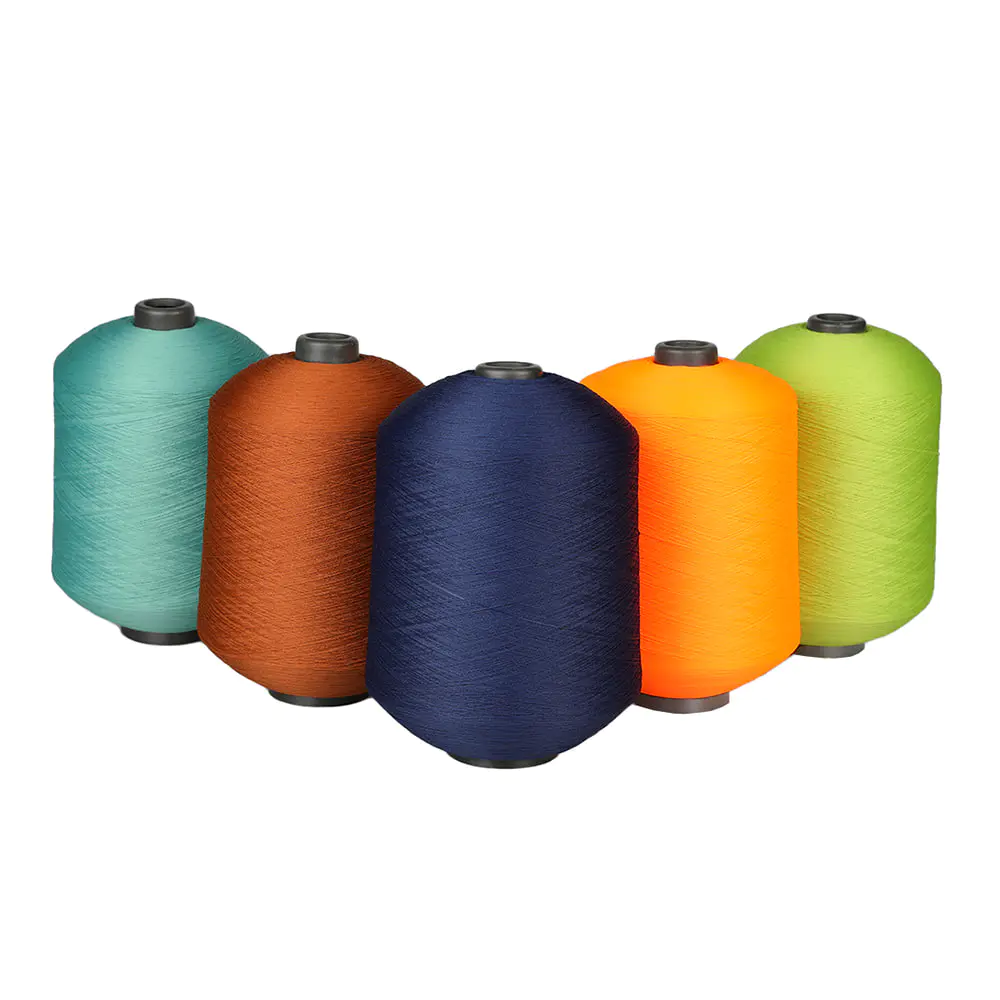
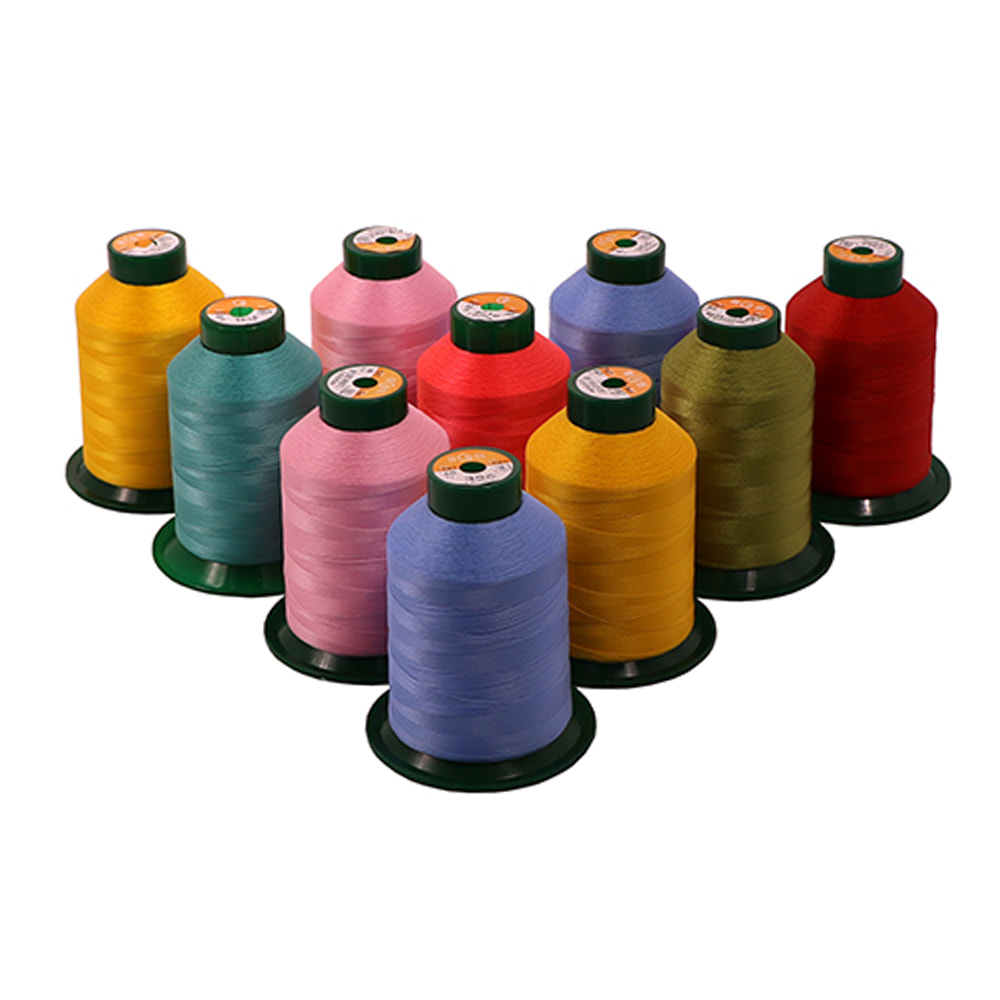
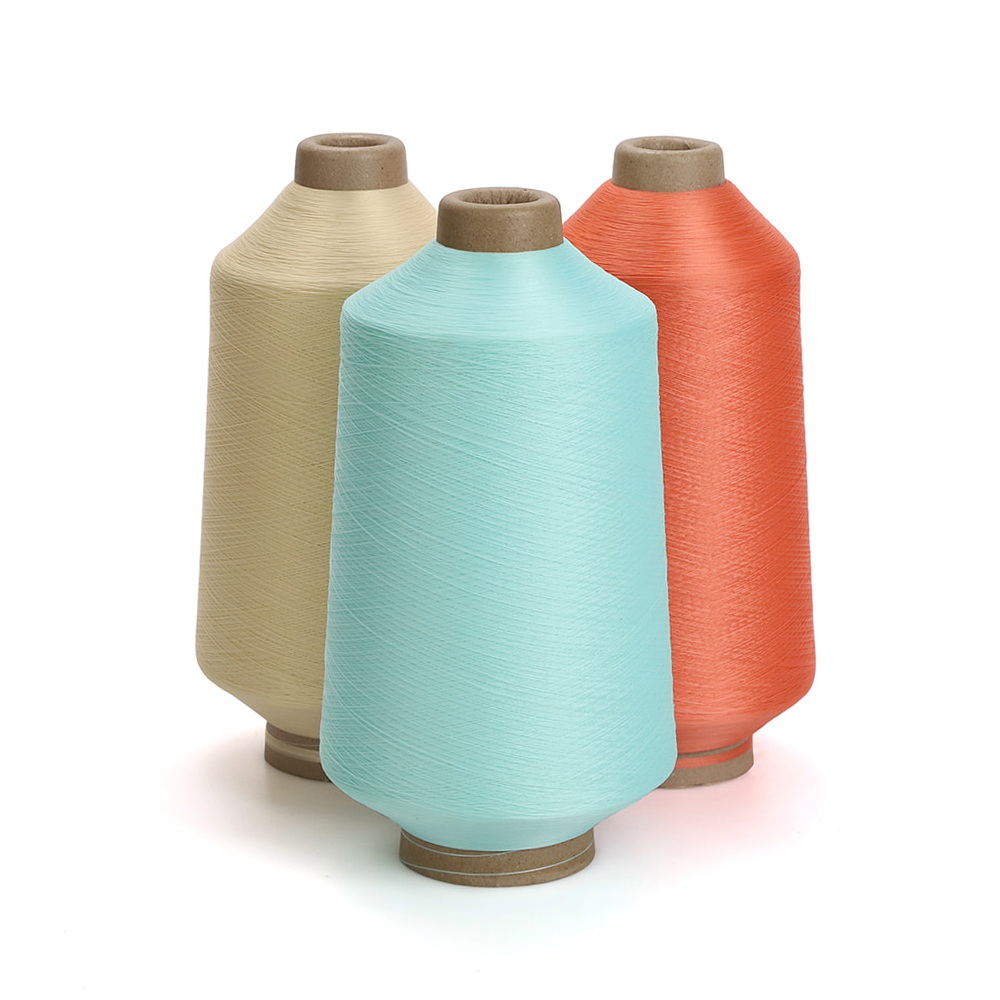
2025 color trends for Colored Nylon Filament applications in luxury shoes lean into earthy neutrals (taupe, sage green) and bold accent colors (vibrant cobalt, burnt orange). These palettes align with consumer demand for "quiet luxury" paired with personalized pops of color, and Colored Nylon Filament customization for luxury shoe manufacturing allows brands to produce small batches of these trend-aligned shades without excess inventory.
3.2 Seasonal Color Shifts for Bag Production Use Cases
For bag production, 2026’s seasonal shifts favor soft pastels (blush, sky blue) for spring/summer and deep jewel tones (emerald, amethyst) for fall/winter. Durability of Colored Nylon Filament in bag production ensures these colors remain vibrant even with frequent use, a key selling point for B2B buyers targeting mid-to-high-end markets.
4. Sustainability in Colored Nylon Filament Sourcing & Production
4.1 Eco-Friendly Formulations for B2B Procurement
Wholesale buyers are increasingly prioritizing sustainability, making sustainable Colored Nylon Filament options for the shoe bag industry a top procurement focus. Leading manufacturers now offer filament made from 30-50% recycled nylon (post-consumer plastic waste), with colorants derived from plant-based pigments to reduce environmental impact.
4.2 Circular Economy Practices for Filament Waste
Forward-thinking suppliers have implemented closed-loop systems for Colored Nylon Filament production, recycling trim waste and off-cuts back into the manufacturing process. This reduces material costs by 15-20% for bulk buyers while meeting ESG (Environmental, Social, Governance) standards.
5. Practical Implementation for Wholesale Buyers
5.1 Sourcing High-Quality Colored Nylon Filament
When sourcing Colored Nylon Filament, wholesale buyers should verify three key criteria:
- Color consistency across production batches (delta E value ≤ 1.5)
- Certifications for safety (REACH, Prop 65 compliance)
- Lead times for custom color orders (ideal: 7-10 business days)
5.2 Quality Control Metrics for Durability Testing
To validate the durability of Colored Nylon Filament in bag production and shoe manufacturing, buyers should conduct standardized tests:
- Abrasion resistance (Martindale test: minimum 200,000 cycles)
- Color fastness to rubbing (ISO 105 X12: grade 4 or higher)
- Moisture absorption (maximum 4% by weight to prevent mold)
FAQ: Key Questions About Colored Nylon Filament for Shoe & Bag Markets
Q1: What is the typical MOQ for custom-colored Colored Nylon Filament?
A1: Most manufacturers offer MOQs of 50 kg for standard colors and 100 kg for custom blended shades, with some suppliers reducing MOQs to 25 kg for repeat buyers.
Q2: How does the cost of sustainable Colored Nylon Filament compare to conventional options?
A2: Sustainable formulations typically cost 10-15% more per kg, but this premium is often offset by lower waste rates and market demand for eco-friendly materials.
Q3: Can Colored Nylon Filament be used with automated shoe/bag production equipment?
A3: Yes, it is compatible with most digital weaving and sewing machinery, with minor adjustments to tension settings required for different filament thicknesses (denier ranges: 70D to 420D).
References
1. Textile Institute (2025). Global Color Trends for Technical Textiles in Footwear & Accessories.
2. International Nylon Manufacturers Association (2024). Durability Testing Standards for Colored Filaments.
3. Sustainable Textile Coalition (2025). Recycled Nylon Formulations: Industry Benchmarks.
4. Journal of Materials Science in Fashion & Design (2025). Customization Metrics for Luxury Shoe Production.
5. World Footwear Association (2024). B2B Procurement Trends for Textile Materials.
6. Bag & Luggage Manufacturers International (2025). Color Fastness Requirements for Durable Accessories.