English
 中文简体
中文简体 Español
Content
- 1 Physicochemical Interaction Between Pigments and Polymer Matrices
- 2 Mechanical Testing Standards and Elongation Parameters
- 3 Colorfastness and Chemical Stability in Industrial Processing
- 4 Industrial Comparison of Pigment Effects on Rubber Performance
- 5 Structural Integrity and Textile Weaving Integration
Physicochemical Interaction Between Pigments and Polymer Matrices
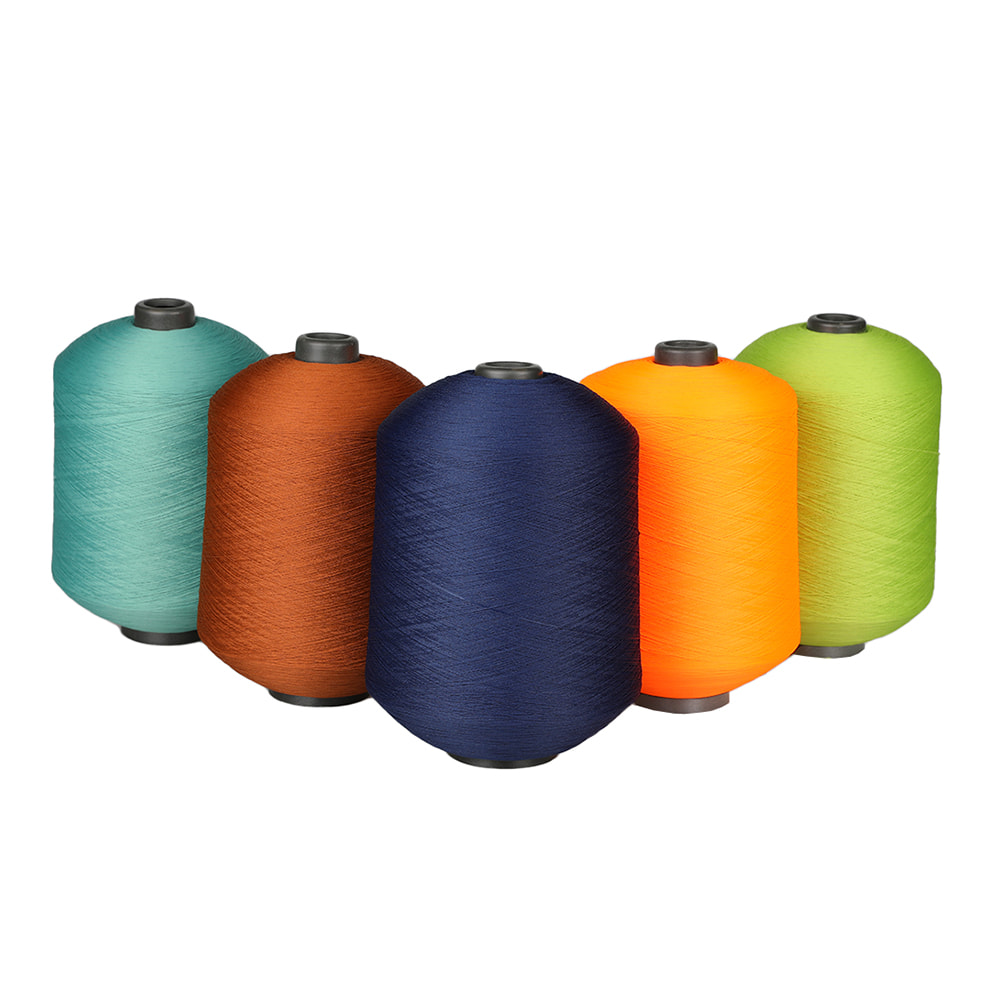
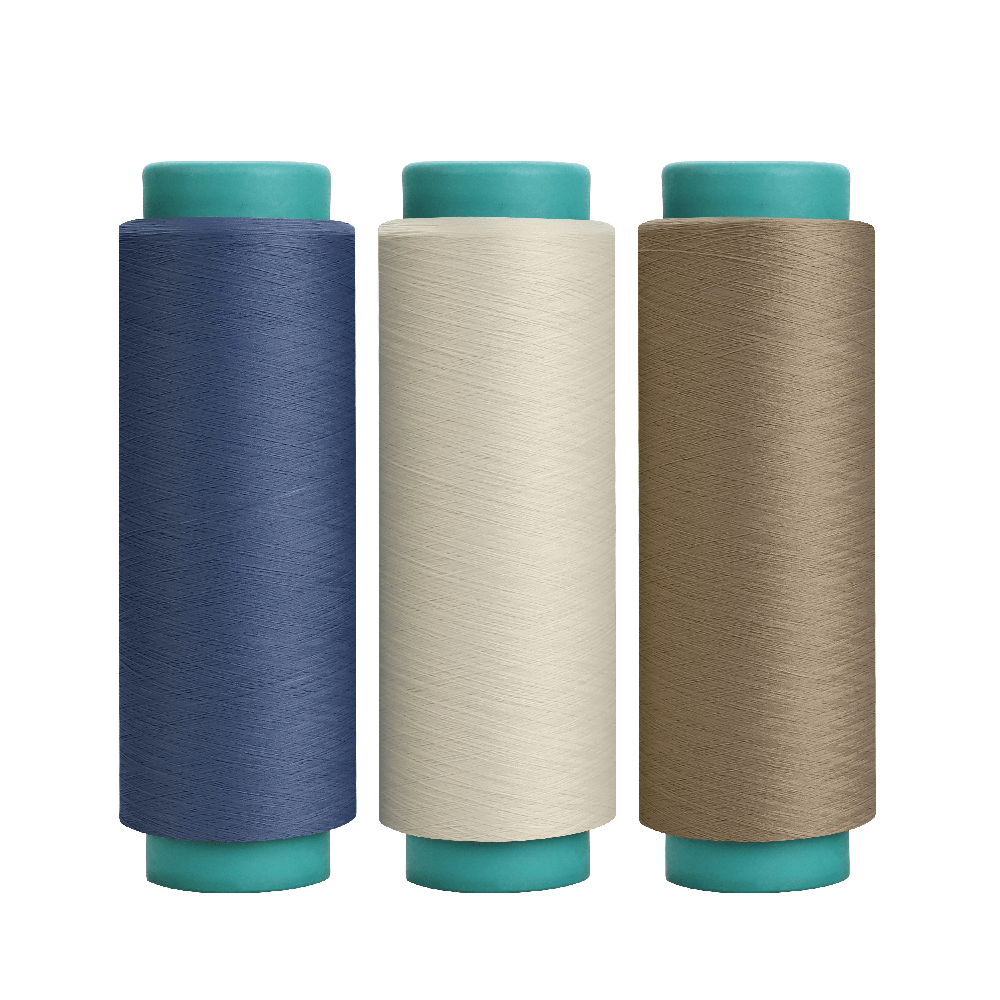
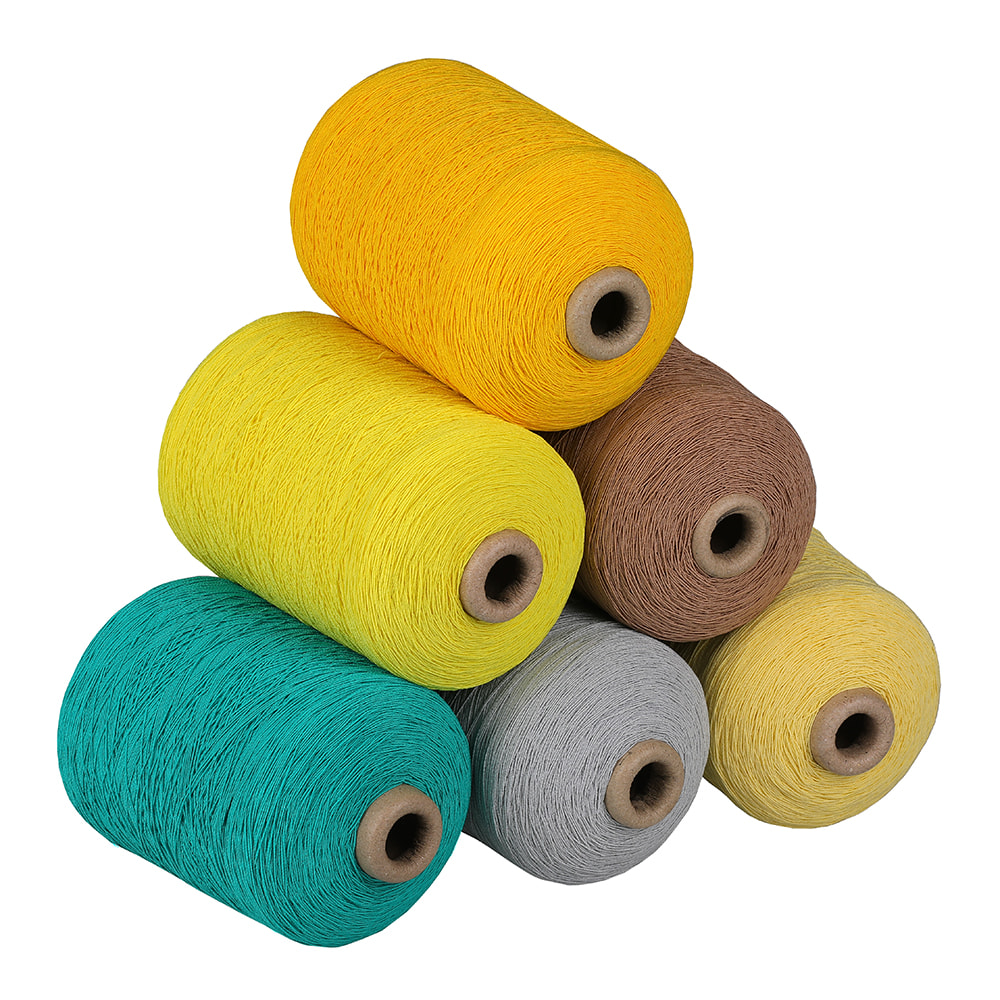
- The mechanical properties of Colored Rubber Thread are dictated by the cross-linking density of the polyisoprene chains. When evaluating how rubber thread pigmentation impacts elasticity, engineers must consider the "dilution effect." The addition of solid pigment particles can act as non-reinforcing fillers that potentially disrupt the sulfur vulcanization network.
- High-performance elastic thread for textile weaving requires precise pigment dispersion. If the masterbatch is not homogenized at a molecular level, localized stress concentrations occur. This leads to a decrease in the tensile strength of pigmented rubber thread compared to its natural, unpigmented counterparts.
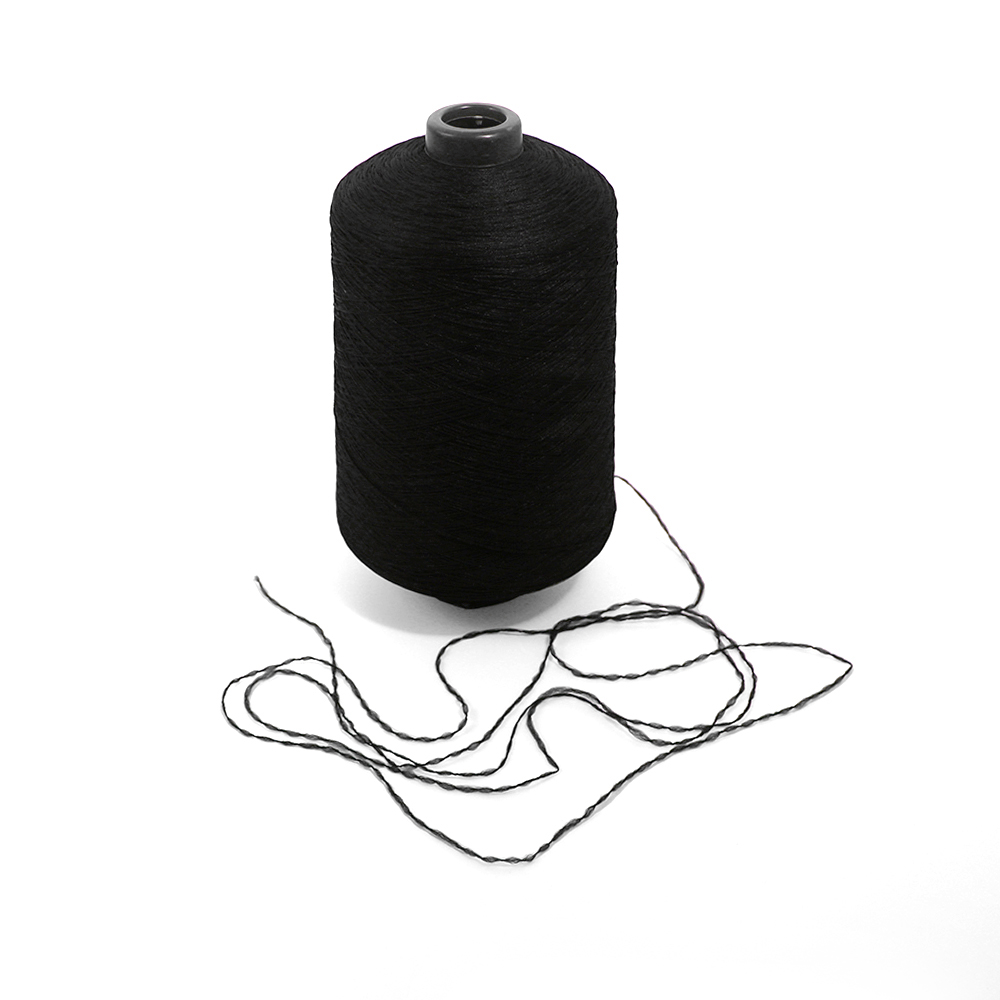
- Technical testing confirms that the ultimate tensile strength of Colored Rubber Thread is most affected by carbon-based pigments (blacks) and inorganic oxides (yellows/reds). These pigments have varying surface energies which influence the interface between the pigment and the rubber matrix, directly affecting the force required to reach the break point.
Mechanical Testing Standards and Elongation Parameters
- The elongation at break for colored latex thread is measured via ASTM D2433 standards. While natural rubber typically exhibits 600% to 700% elongation, the incorporation of specific dyes can reduce this by 5% to 10% depending on the concentration of the carrier resin.
- In a direct performance comparison: colored vs natural rubber thread, the modulus of elasticity (at 300% extension) often increases in colored variants. This "stiffening" effect occurs because pigments restrict the mobility of the polymer chains, which must be accounted for during high-speed tensioning in textile machinery.
- To determine if dyeing rubber thread weakens its structure, technicians perform aging tests (ISO 188). Thermal degradation rates are analyzed to ensure that the pigments do not catalyze oxidation, which would lead to premature brittleness and loss of elastic recovery in functional garments.
Colorfastness and Chemical Stability in Industrial Processing
- A critical engineering concern is the color migration in rubber thread textiles. During heat-setting or steam-finishing, substandard pigments can leach into adjacent synthetic fibers. High-grade Colored Rubber Thread must achieve a Grade 4.0 or higher on the AATCC Gray Scale for Color Transfer.
- The washability of colored elastic thread is tested against ISO 105-C06 standards. Because rubber is inherently hydrophobic, the pigment must be encapsulated within the rubber core rather than applied topically to ensure that industrial detergents do not strip the color or degrade the polymer's tensile integrity.
- Furthermore, the UV resistance of colored rubber thread is vastly superior to natural rubber when specific carbon-based or UV-inhibiting pigments are used. These pigments act as sacrificial barriers, absorbing ultraviolet radiation before it can induce chain scission in the polyisoprene backbone.
Industrial Comparison of Pigment Effects on Rubber Performance
- Evaluating the best pigments for durable rubber threads involves selecting low-moisture-absorption masterbatches. Excessive moisture in the pigment can lead to porosity during the extrusion process, resulting in internal voids that compromise the thread's cross-sectional strength.
- Comparison Data of Mechanical Variables:
| Rubber Category | Tensile Strength (MPa) | Elongation at Break (%) | Modulus at 300% (MPa) |
| Natural Latex (Unpigmented) | 24 - 28 | 700 - 750 | 1.8 |
| Colored Rubber Thread (High Pigment) | 20 - 23 | 620 - 680 | 2.2 |
| Synthetic Polyisoprene (Pigmented) | 18 - 21 | 580 - 640 | 2.5 |
Structural Integrity and Textile Weaving Integration
- During high-speed weaving with colored rubber, the friction coefficient (Ra) of the thread surface is a vital parameter. Pigments can alter the surface roughness, requiring the application of silicone-based lubricants to prevent "chatter" and ensure consistent feed rates into the loom.
- The heat resistance of pigmented rubber thread is essential for fabrics undergoing molding or ironing. Pigments with high thermal stability (up to 180°C) are required to prevent color shift and maintain the structural "snap-back" force required for compression wear and medical bandages.
Engineering FAQ
- Does color affect the shelf-life of rubber thread? Yes, certain metallic-based pigments can accelerate oxidative aging if not stabilized with appropriate anti-oxidants (AO).
- What is the maximum pigment load allowed? To maintain tensile strength within 10% of natural rubber, pigment loading should generally not exceed 3% to 5% by weight.
- Are colored rubber threads Oeko-Tex compliant? Compliance depends on the pigment chemistry; high-quality threads use lead-free, non-toxic organic pigments that meet Class I standards.
- How is the thickness (count) measured for colored thread? It is measured by the number of threads that can be laid side-by-side in one inch (e.g., 40-count).
- Does "White" rubber thread count as colored? Technically yes, as it requires Titanium Dioxide (TiO2) which significantly affects UV stability and tensile modulus.
Technical References
- ASTM D2433: Standard Test Methods for Rubber Thread Performance Analysis.
- ISO 2321: Rubber-covered continuous elastic threads - Methods of test and specification.
- AATCC 61: Colorfastness to Laundering: Accelerated Testing Protocols.