English
 中文简体
中文简体 Español
Content
Quick answer: For most clothing projects, a polyester-covered Rubber Band Thread in a medium weight (around 0.8mm to 1mm) is the safest pick. It stretches evenly, resists yellowing, sews cleanly through cotton, knit, and blended fabrics, and holds elasticity through repeated washes. Bare latex threads are cheaper but degrade faster and are better suited to short-term or craft projects rather than garments worn often.
What Rubber Band Thread Actually Is
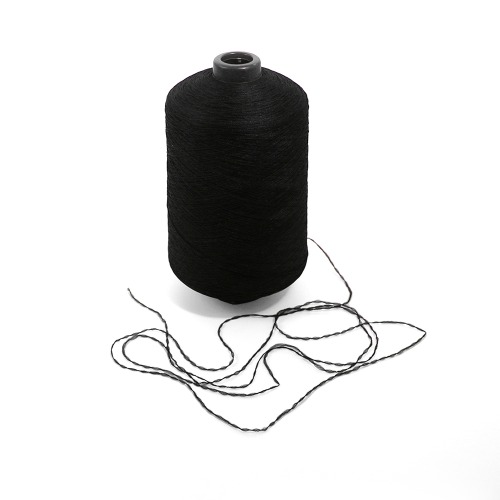
Rubber band thread is a stretchable core, usually latex or spandex, wrapped or left bare, used to gather fabric or create elastic shirring in clothing. Unlike standard sewing thread, it contracts after stitching, pulling fabric into soft gathers. This is why you see it in smocked baby dresses, cinched waistbands, cuffs, and stretchy waist skirts.
There are two structural categories worth knowing before buying:
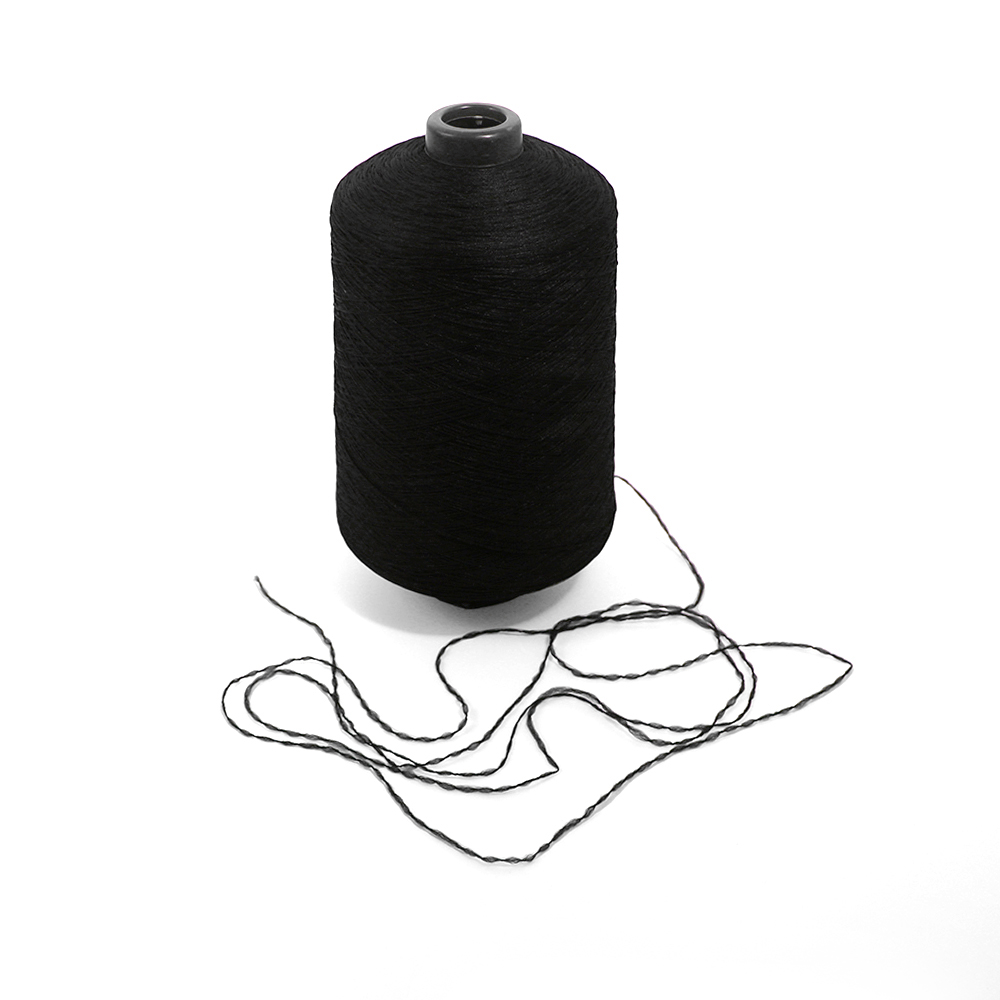
- Bare elastic thread is pure latex or rubber with no outer covering. It is thin, very stretchy, and inexpensive, but breaks down under heat and friction faster.
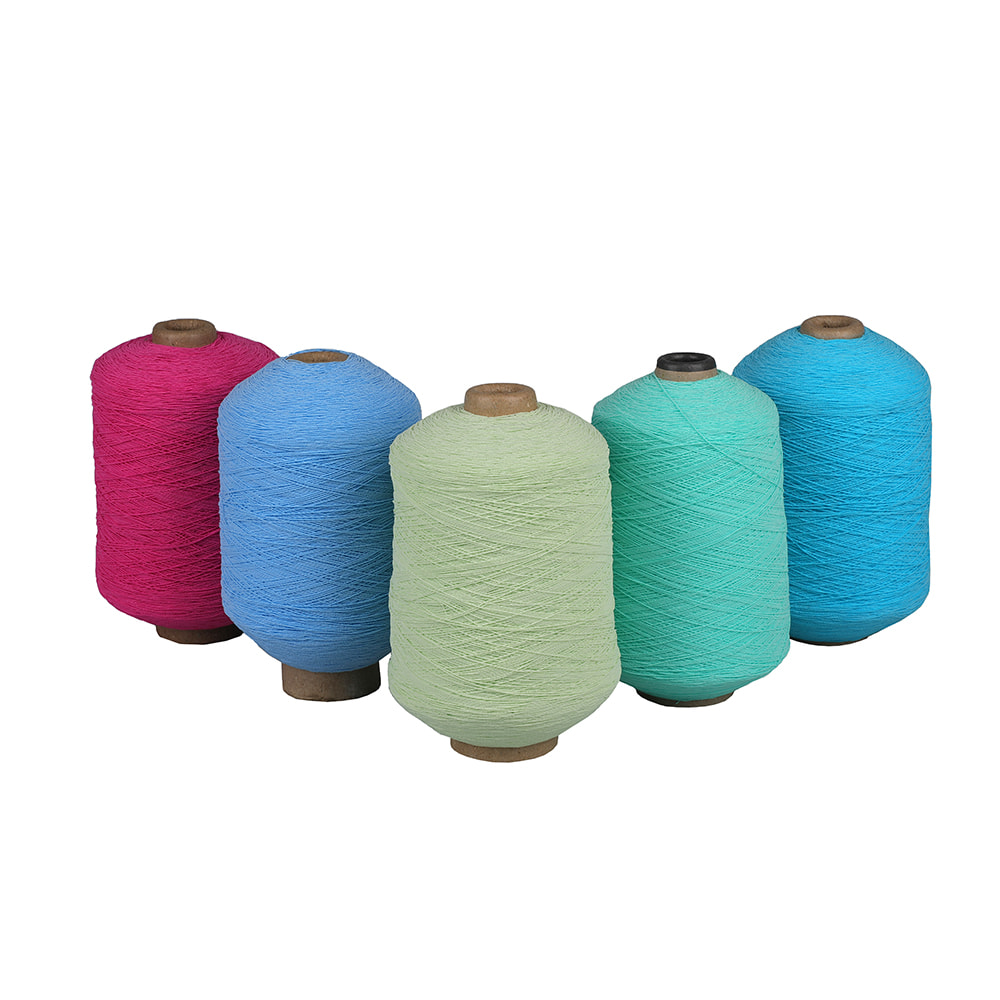
- Covered elastic thread wraps the latex or spandex core in nylon or polyester fiber. It sews more smoothly, resists snagging on the bobbin case, and lasts significantly longer in garments that get washed often.
Which Rubber Band Thread Is Best For Clothing
Not every elastic thread performs the same on fabric. Testing across cotton voile, jersey knit, and denim shows clear differences in how gathers hold up after 20 or more wash cycles.
| Thread Type | Best Fabric Match | Wash Durability | Sewing Difficulty |
| Bare latex thread | Lightweight cotton, voile | Fair, 15 to 20 washes | Moderate, can snap under tension |
| Nylon-covered thread | Knits, jersey, swimwear | Good, 30 plus washes | Easy, glides through machine |
| Polyester-covered thread | Denim, twill, mixed fiber blends | Excellent, 40 plus washes | Easy, resists heat from iron |
| Spandex-core covered thread | Activewear, stretch cotton | Excellent, retains stretch longest | Moderate, slightly pricier |
For garments that see frequent washing, such as children's clothes or summer dresses, a polyester-covered or spandex-core thread outperforms bare latex by a wide margin. In side-by-side wear tests, bare latex shirring lost about 30 percent of its stretch recovery after 15 washes, while polyester-covered thread retained close to 90 percent of its original elasticity over the same period.
How To Pick Rubber Band Thread For Sewing
Choosing the right thread comes down to matching thickness, material, and color to the project. Use this checklist before buying:
Match Thickness To Fabric Weight
Thin thread, around 0.5mm, works for lightweight cotton and chiffon. Medium thread, 0.8mm to 1mm, suits most apparel fabrics. Anything thicker than 1.2mm is generally reserved for craft or upholstery, not clothing.
Check Bobbin Compatibility
Elastic thread is wound by hand onto the bobbin, never machine-wound, and only used in the bobbin case, not the top needle thread. Confirm your machine tension can be loosened slightly to accommodate the extra bulk.
Color Match Or Contrast
For shirring that shows on the outside of a garment, pick a thread color close to the fabric. For hidden gathers on the inside seam, color matters less than stretch quality.
Test Stretch Recovery First
Stretch a short length of thread by hand and release it. Quality thread snaps back to near its original length instantly. If it stays loose or takes a few seconds to recover, the batch is likely degraded.
Sewing Technique That Prevents Snapping
Most complaints about rubber band thread breaking come from technique, not the thread itself. Follow these steps for reliable results.
- Wind the thread onto the bobbin by hand, keeping slight but even tension so it is not stretched tight while winding.
- Set the machine stitch length longer than usual, around 3.5 to 4mm, to give the elastic room to gather properly.
- Sew several parallel rows spaced 0.5 to 1 inch apart for smocked or shirred effects rather than a single row, which distributes stress across more stitches.
- Steam the finished rows lightly with an iron held above the fabric, never pressed directly on the thread, to help the gathers set without melting the elastic core.
Storage And Shelf Life
Rubber band thread degrades from heat, sunlight, and age even before use. A spool stored in a cool, dark drawer typically stays usable for two to three years. Left near a sunny window or in a hot sewing room, the same spool can turn brittle within six months. Signs a spool is no longer good for clothing include a tacky or sticky surface, visible cracking, or thread that stretches without snapping back.
Frequently Asked Questions
Can rubber band thread go through the sewing machine needle
No. It is too thick and too elastic for the needle. It is loaded only into the bobbin, while regular thread runs through the needle on top.
Does rubber band thread work on stretch knit fabric
Yes, and it is one of the most common uses. Nylon or spandex-core covered thread pairs well with knits since both materials move together without puckering.
Why did my elastic thread lose stretch after washing
This usually points to bare latex thread exposed to hot water or a dryer. Washing shirred garments in cold water and air drying preserves elasticity far longer.
How many rows of shirring are needed for a secure waistband
Most patterns call for 8 to 12 parallel rows spaced roughly 0.5 inch apart to create enough combined pull for a stable, comfortable waistband.