English
 中文简体
中文简体 Español
Content
- 1 What Sets High Elastic Polyester Yarn Apart
- 2 Core Performance Metrics You Should Know
- 3 Primary Applications Across Industries
- 4 How Yarn Construction Affects Fabric Behavior
- 5 Sourcing Checklist: What to Verify Before Ordering
- 6 Processing Tips for Weavers and Knitters
- 7 The Bottom Line for Textile Buyers
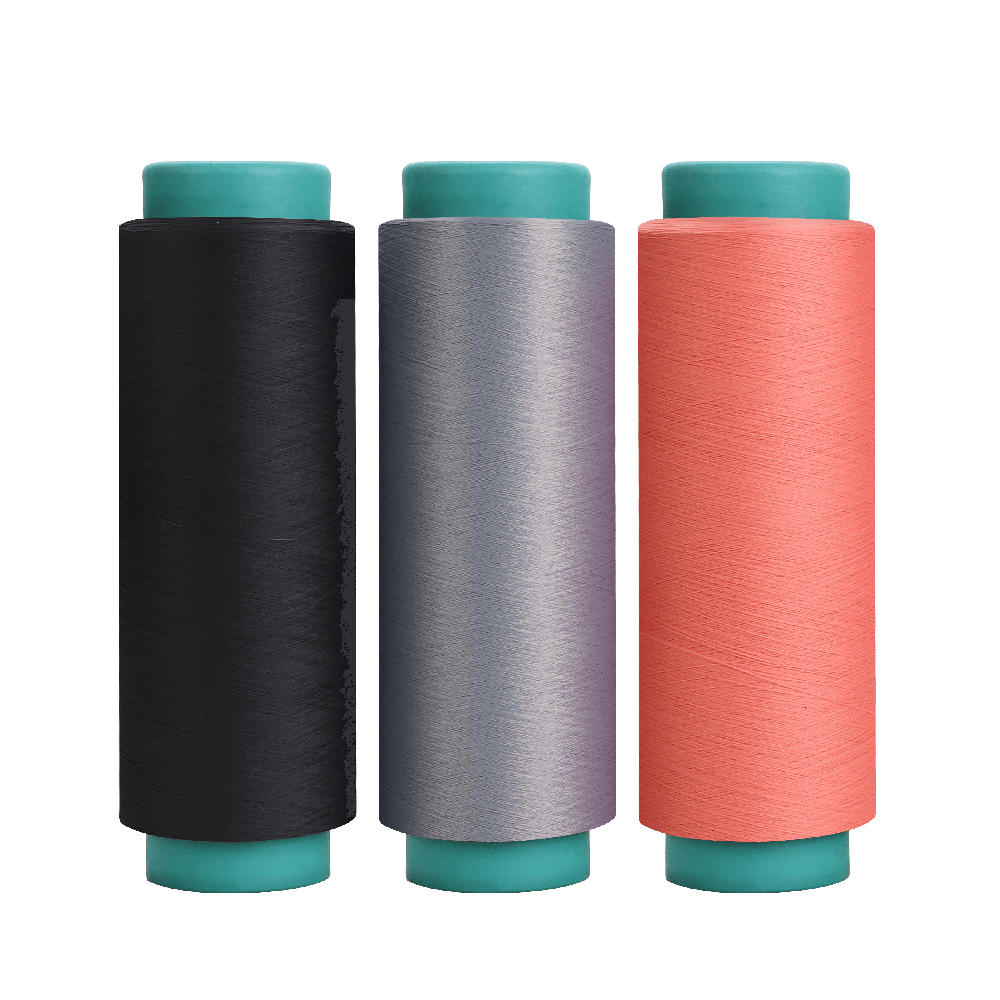
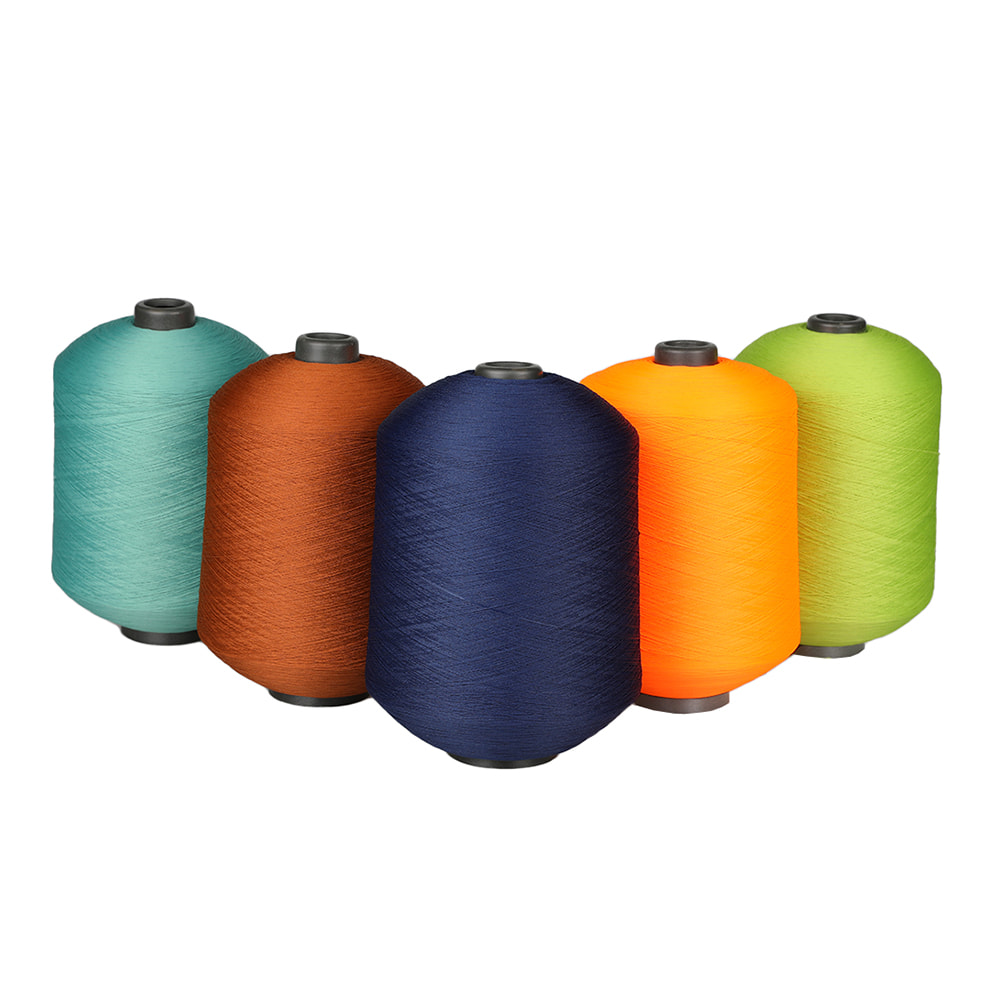
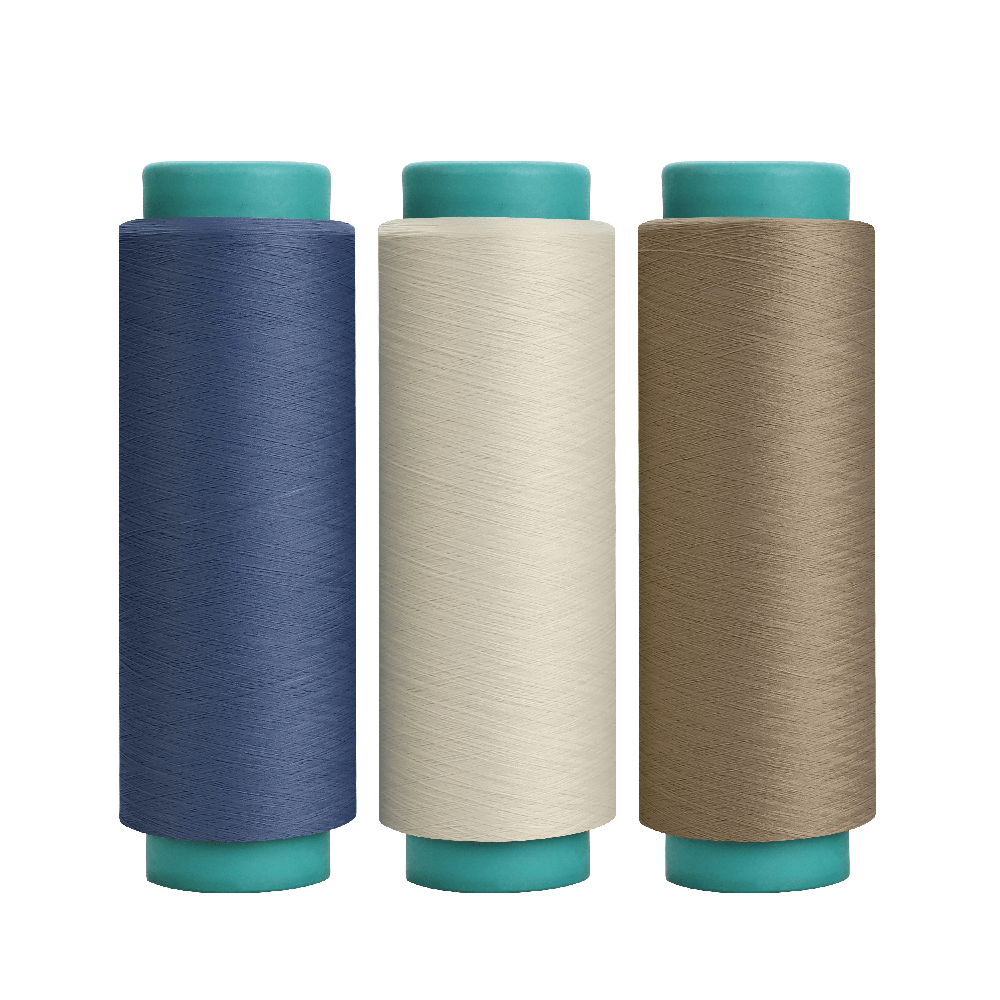
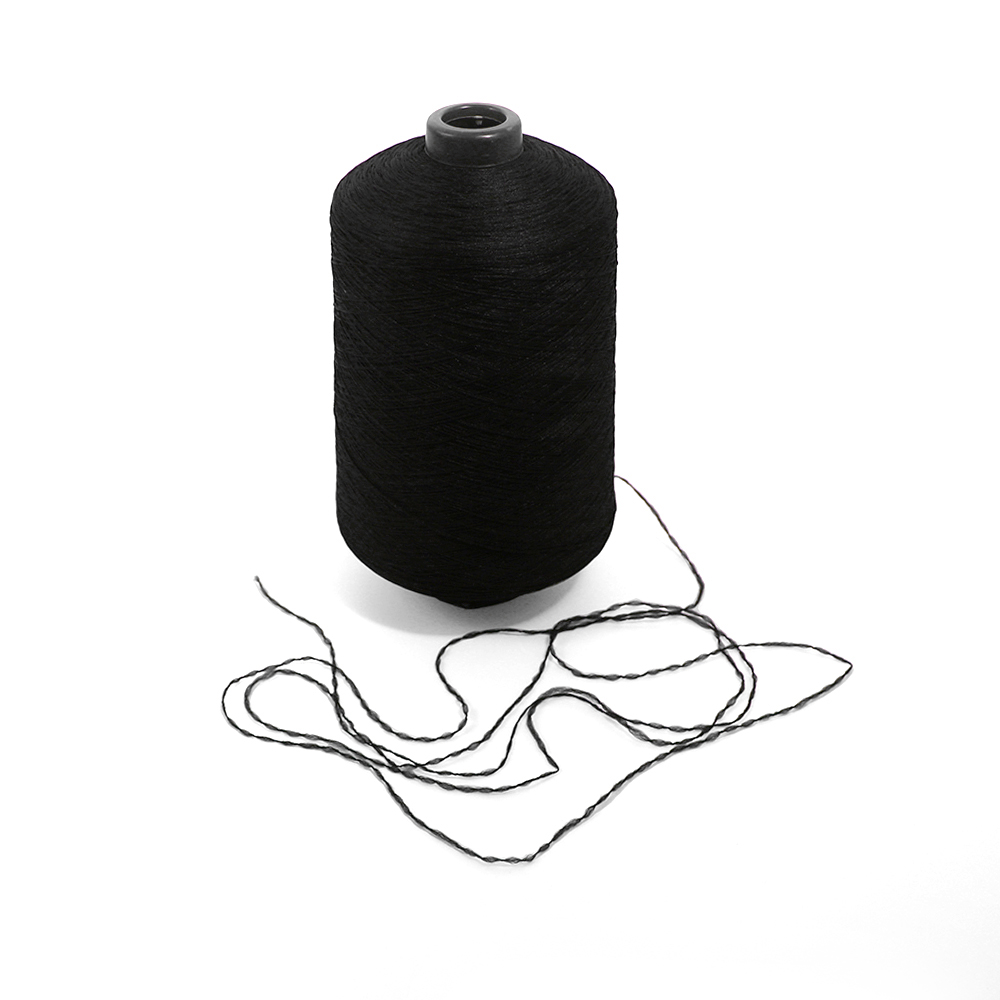
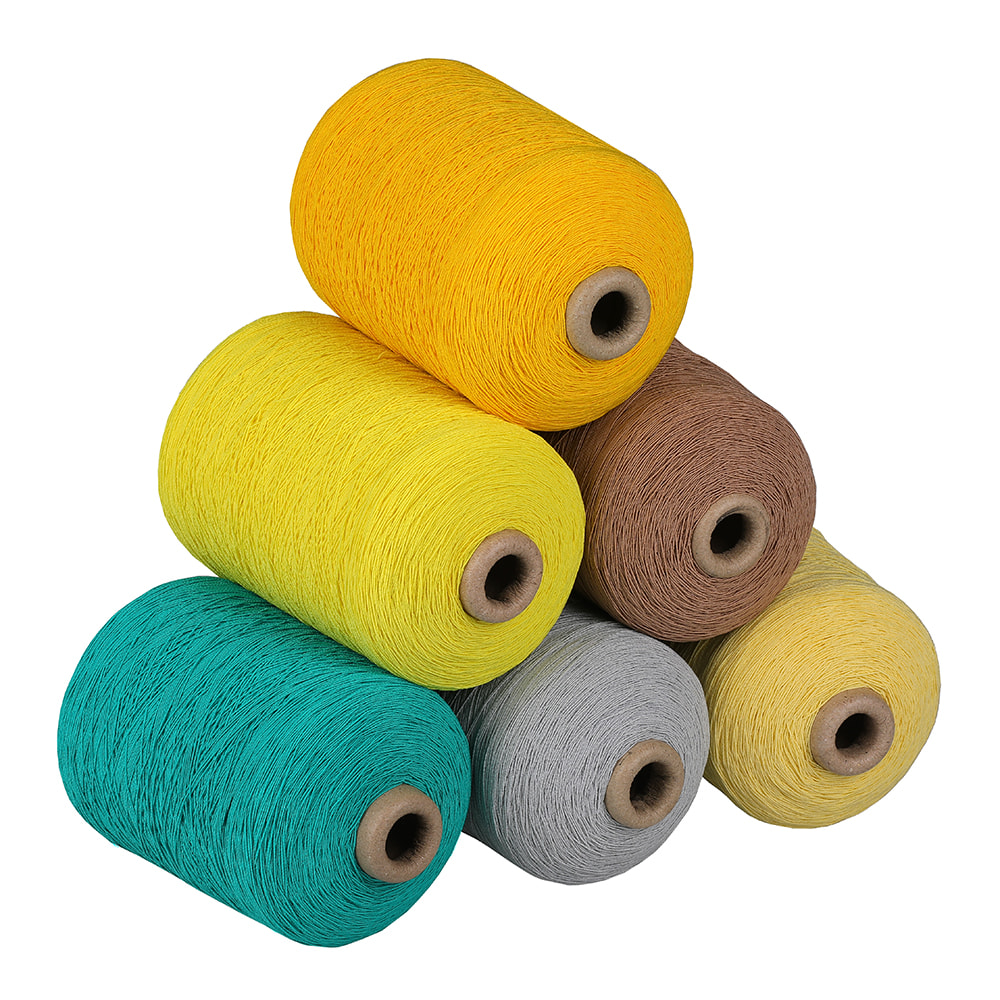
High Elastic Polyester Yarn is the go-to fiber for any textile that demands reliable stretch and recovery. Its elongation at break can reach 300%–500%, with elastic recovery rates above 95% after repeated deformation — outperforming conventional polyester in every stretch-intensive application. If you need consistent elasticity, moisture management, and durability in a single yarn, this is the material that delivers.
What Sets High Elastic Polyester Yarn Apart
Unlike standard polyester filament, high elastic polyester yarn is produced through a specialized draw-texturing or air-jet texturing process that introduces controlled crimp and coil into each filament. This micro-architecture is what enables the yarn to behave more like spandex while retaining polyester's dimensional stability.
Key structural advantages include:
- Filament-level crimp density of 80–120 crimps/cm, generating consistent stretch across the fabric surface
- Bicomponent or mono-component fiber construction available, depending on required elongation range
- Denier range typically from 20D to 300D, covering both lightweight lingerie and heavy-duty sportswear
- No spandex blending required — eliminates degradation issues from chlorine or UV exposure
Core Performance Metrics You Should Know
Buyers often compare high elastic polyester yarn against spandex-blended alternatives. The table below summarizes the key specs side by side to clarify where each material excels:
| Property | High Elastic Polyester Yarn | Spandex-Blended Polyester |
|---|---|---|
| Elongation at Break | 300% – 500% | 400% – 600% |
| Elastic Recovery (after 50 cycles) | > 95% | 88% – 93% |
| Chlorine Resistance | Excellent | Poor to Moderate |
| UV Stability | High | Moderate |
| Dyeability | Disperse dye (standard) | Requires two-stage dyeing |
| Cost Index | Medium | Medium-High |
The recovery advantage is particularly significant in activewear: after 10,000 flex cycles in lab testing, high elastic polyester yarn retains fabric shape integrity that spandex blends begin to lose after 6,000–7,000 cycles due to spandex chain degradation.
Primary Applications Across Industries
The versatility of high elastic polyester yarn spans multiple sectors, each leveraging a different aspect of its performance profile:
Activewear and Athleisure
Compression leggings, sports bras, and cycling shorts rely on controlled tension gradients. High elastic polyester allows fabric engineers to tune compression zones (typically 15–40 mmHg) without stitching spandex panels, reducing seam complexity and production waste by up to 18%.
Swimwear and Beachwear
Chlorine exposure in pools degrades spandex within 150–200 hours of immersion. Swimwear woven from high elastic polyester retains its stretch properties for over 400 hours under the same conditions, making it the preferred choice for competitive swimwear manufacturers.
Medical and Compression Textiles
Graduated compression stockings, orthopedic supports, and wound-care bandages benefit from the yarn's predictable elastic modulus. Medical-grade variants are produced under ISO 13485 conditions and offer consistent elongation variance below +/-3% per lot — a critical quality threshold for certified compression therapy products.
Intimate Apparel and Hosiery
Fine-denier variants (20D–40D) deliver the soft hand-feel required for lingerie and seamless hosiery, while maintaining the structural knit integrity that prevents sagging after extended wear.
How Yarn Construction Affects Fabric Behavior
Not all high elastic polyester yarn is identical — the texturing method directly determines how the final fabric performs on the body. The three most common constructions are:
- Draw-Textured Yarn (DTY): Produced by false-twist texturing, offering uniform crimp and the widest denier range. Best for circular knit activewear fabrics.
- Air-Jet Textured Yarn (ATY): Bulkier texture with lower elongation, preferred in upholstery and technical fabrics where fill-power matters more than fine stretch.
- Bicomponent Elastic Yarn: Two polymers with different shrinkage rates are extruded side-by-side. Upon heat treatment, differential shrinkage creates inherent coiling — elongation can reach 450% without any additional crimping process.
For garment applications, DTY high elastic polyester yarn with 36F–144F filament count (where F = number of filaments) is the industry standard, balancing softness, strength, and knittability on high-speed circular knitting machines.
Sourcing Checklist: What to Verify Before Ordering
Quality variance is significant across suppliers. Before confirming a purchase order for high elastic polyester yarn, request documentation or test samples that confirm the following:
- Elongation at break (%): Should be tested per ASTM D2256 or ISO 2062 — ask for the lot-average and standard deviation, not just the nominal value.
- Elastic recovery rate: Tested after minimum 10 stretch-relax cycles at 50% extension. Recovery below 90% indicates inferior texturing.
- Denier uniformity (Uster CV%): A CV% above 1.5% at standard test speed signals inconsistent drafting, which causes fabric barre (streaking).
- Oil content (%): Spin finish oil should fall within 0.8%–1.2% for circular knitting; outside this range causes guide fouling or package build defects.
- Color fastness: For dyed variants, request wash fastness (ISO 105-C06) at Grade 4 or above.
- OEKO-TEX or REACH compliance: Essential for EU and North American market entry.
Processing Tips for Weavers and Knitters
Working with high elastic polyester yarn requires specific machine settings to prevent tension-induced defects. Key parameters to adjust:
- Yarn feed tension: Keep below 5 cN on circular knitting machines to avoid pre-stretching that distorts stitch dimensions.
- Machine speed: Reduce to 70%–80% of standard polyester speed during the first trial run; elastic yarn packages can over-feed at full speed.
- Heat-setting temperature: For DTY variants, boarder heat-setting at 170°C–185°C for 30–45 seconds stabilizes the fabric width and reduces residual shrinkage below 3%.
- Dyeing pressure and temperature: Dyeing at 130°C under pressure (high-temperature disperse dyeing) achieves full shade penetration; dyeing below 120°C risks unlevel dyeing.
The Bottom Line for Textile Buyers
High elastic polyester yarn closes the performance gap between commodity polyester and spandex — delivering stretch, recovery, and durability in a chemically stable, easier-to-dye package. For manufacturers who require consistent output across large production runs, its predictable specs and single-component simplicity reduce downstream QC complexity and dyeing cost. The material is not a universal spandex replacement, but for 80%+ of stretch fabric applications that do not require extreme elongation above 500%, it represents the stronger long-term investment.