English
 中文简体
中文简体 Español
Content
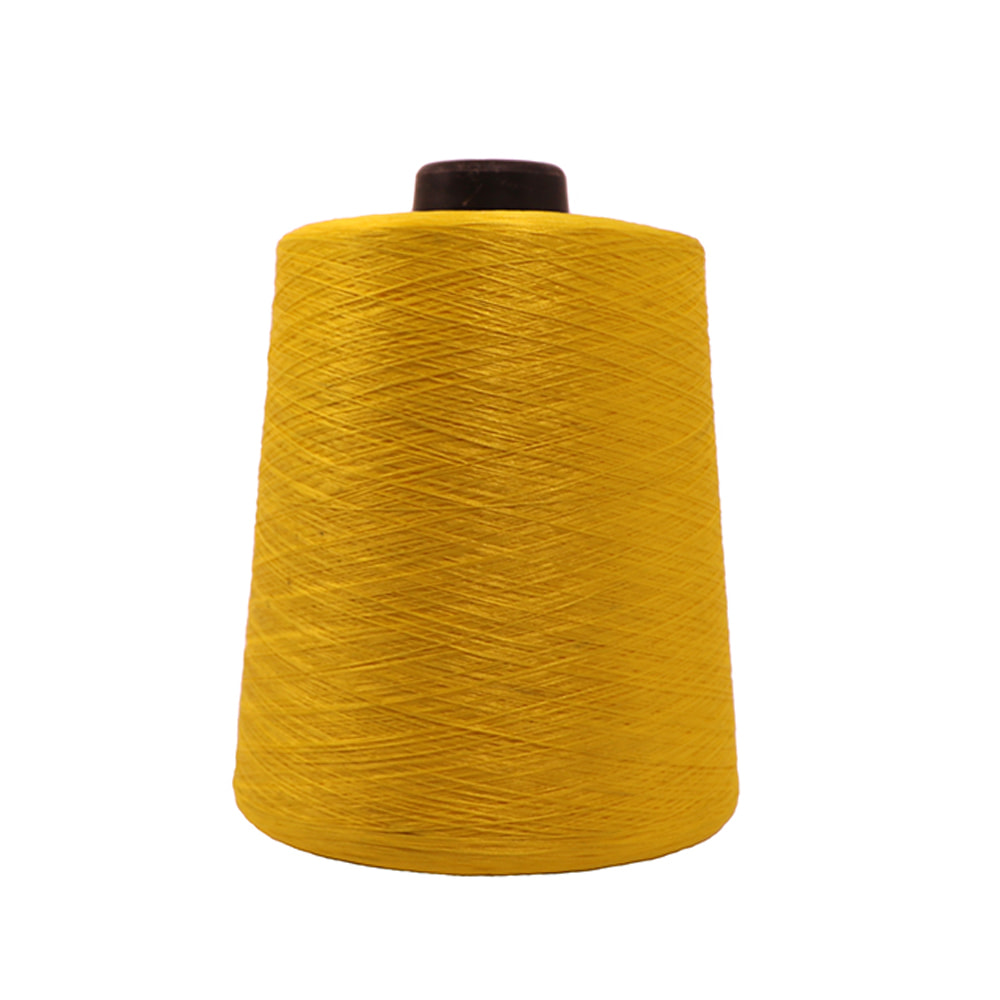
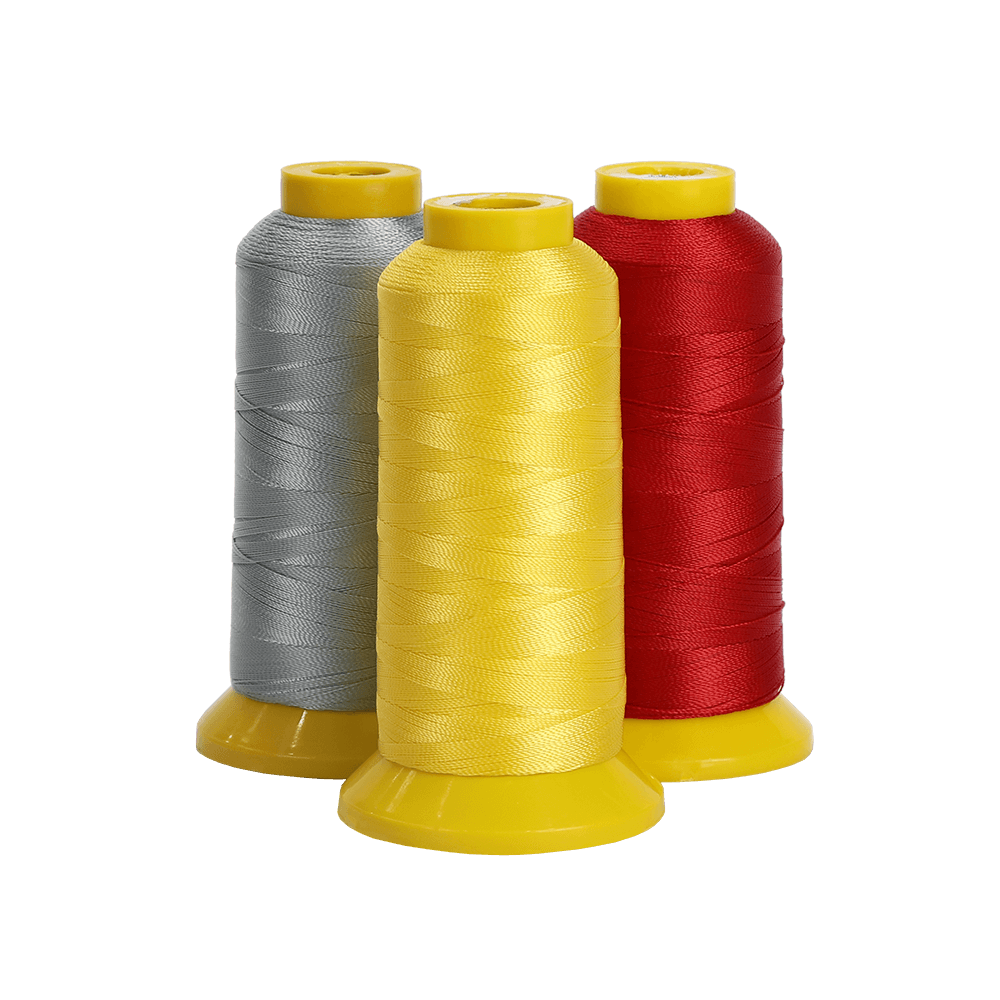
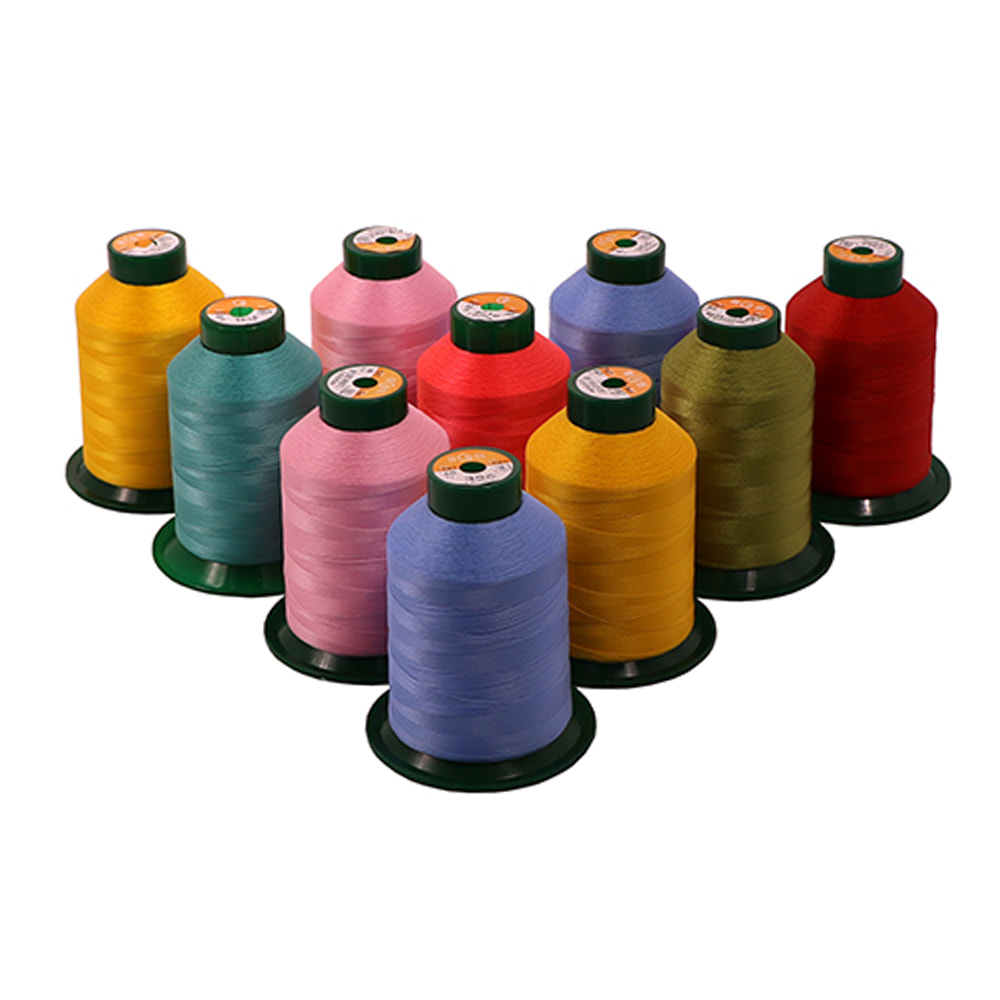
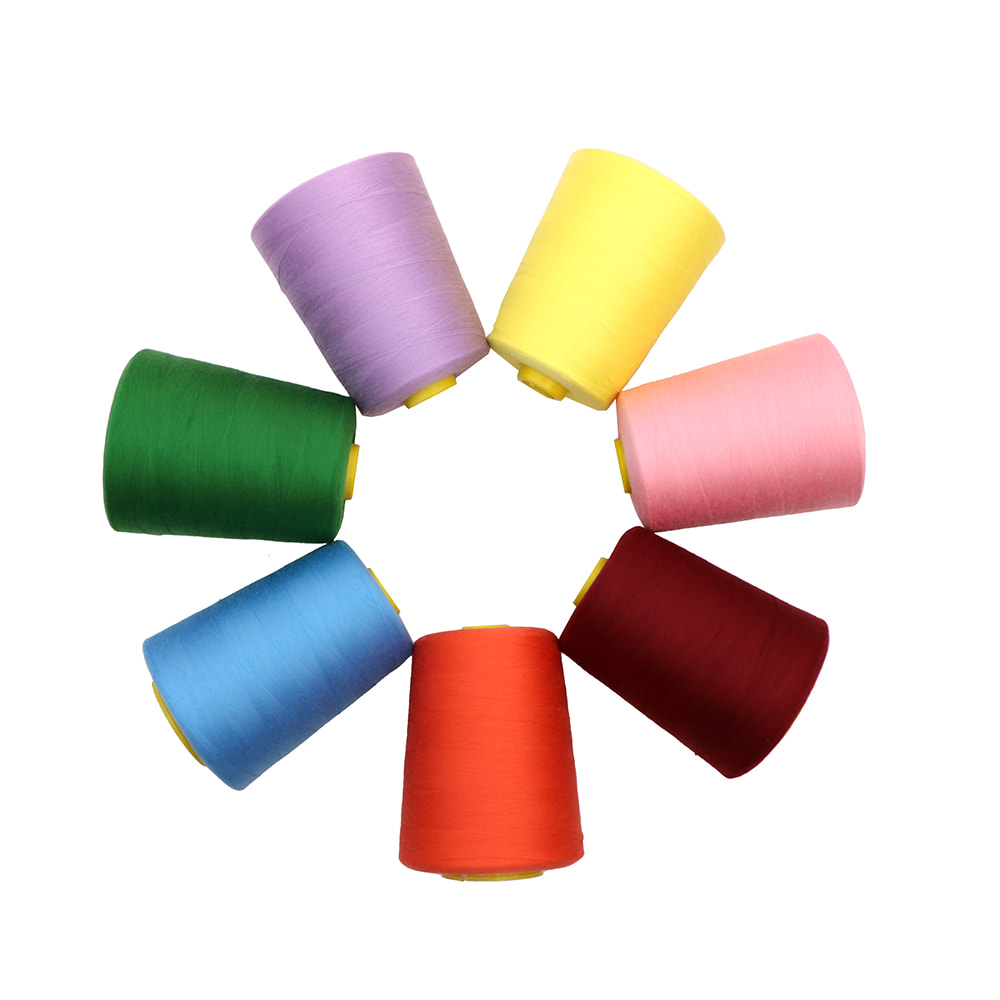
The Large Chemical Fiber Polyester Yarn is widely used in technical and industrial textiles due to its high tensile strength, thermal stability, and durability. Understanding its mechanical properties is critical for applications in upholstery, filtration fabrics, and composite materials.
Key Mechanical Properties Affecting Textile Performance
Tensile Strength and Elongation
- Evaluation of tensile strength ensures the yarn can withstand industrial weaving and knitting processes without breakage.
- Elongation at break impacts fabric flexibility and resilience, influencing both comfort and durability in finished textiles.
- Comparison with standard polyester yarns shows Large Chemical Fiber Polyester Yarn generally exhibits higher breaking strength and lower variability in elongation.
Surface Finish and Fiber Fineness
- Surface roughness (Ra) affects friction during processing; smoother fibers reduce wear on machinery and improve fabric uniformity.
- Fineness and denier uniformity contribute to even dye uptake and consistent fabric weight per unit area.
- Advanced extrusion control can produce uniform fineness, minimizing defects in high-speed weaving operations.
Thermal and Chemical Stability
- Resistance to heat during industrial finishing (up to 180°C) ensures fibers maintain structural integrity and tensile strength.
- Chemical resistance to detergents and finishing agents preserves fiber longevity in textile applications.
- Polymer crystallinity directly correlates with dimensional stability and shrinkage control in fabrics.
Applications in Industrial and Technical Textiles
- Used in heavy-duty upholstery, conveyor belts, and filtration fabrics where strength and abrasion resistance are critical.
- Suitable for composite fabrics requiring high tensile strength and low elongation to maintain shape under mechanical stress.
- Enhanced durability reduces maintenance frequency and extends lifespan of technical textile products.
Performance Comparison
| Property | Large Chemical Fiber Polyester Yarn | Standard Polyester Yarn |
| Tensile Strength (cN/dtex) | 18-22 | 12-16 |
| Elongation at Break (%) | 15-20 | 18-25 |
| Heat Resistance (°C) | 180 | 150 |
| Fineness Uniformity (CV%) | 3-5 | 6-8 |
FAQ
- Q1: What makes Large Chemical Fiber Polyester Yarn suitable for industrial textiles?
A1: Its high tensile strength, controlled elongation, and consistent fineness improve fabric durability and processing reliability. - Q2: How does thermal stability influence fabric performance?
A2: High thermal stability prevents fiber deformation during finishing and heat-setting, maintaining dimensional accuracy. - Q3: Can Large Chemical Fiber Polyester Yarn resist chemical exposure?
A3: Yes, its polymer structure provides chemical resistance to detergents, finishing agents, and solvents used in textile processing. - Q4: How does fiber uniformity impact industrial production?
A4: Uniform fiber fineness reduces defects, improves weaving efficiency, and ensures even fabric weight and appearance. - Q5: What industries benefit from using this yarn?
A5: Heavy-duty upholstery, conveyor fabrics, filtration materials, and composite textiles requiring high strength and abrasion resistance.