English
 中文简体
中文简体 Español
Content
- 1 1. The Ultimate Guide to Sourcing Wholesale Recycled Yarn
- 2 2. The Designer's Choice: Working with Recycled Cotton Yarn for Knitting
- 3 3. Beyond the Label: The Power of GRS Certified Recycled Polyester Yarn
- 4 4. Building a Brand: Sourcing Bulk Recycled Yarn for Sustainable Fashion
- 5 5. From Bottle to Fabric: The Story of Recycled PET Bottle Yarn
- 6 6. Accessible Sustainability: Finding Low Minimum Order Recycled Yarn
- 7 FAQ
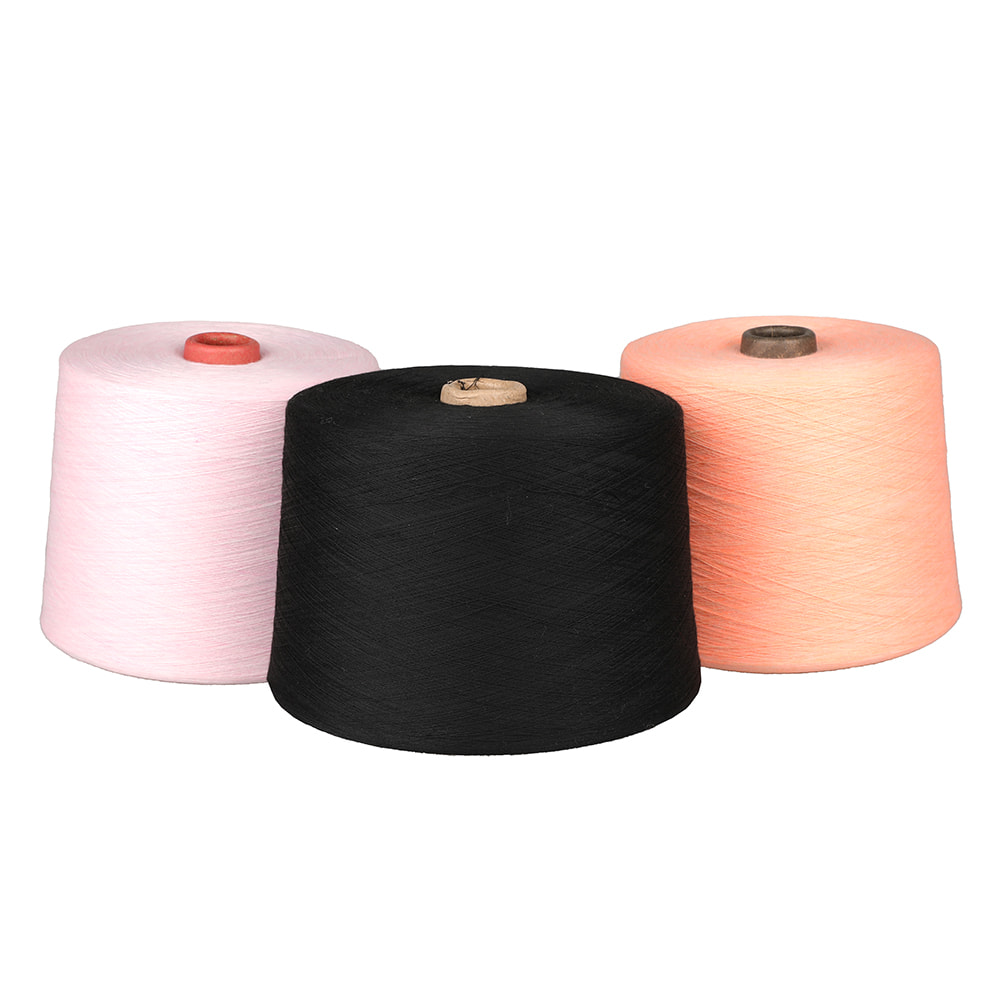
Recycled Environmentally Friendly Yarn
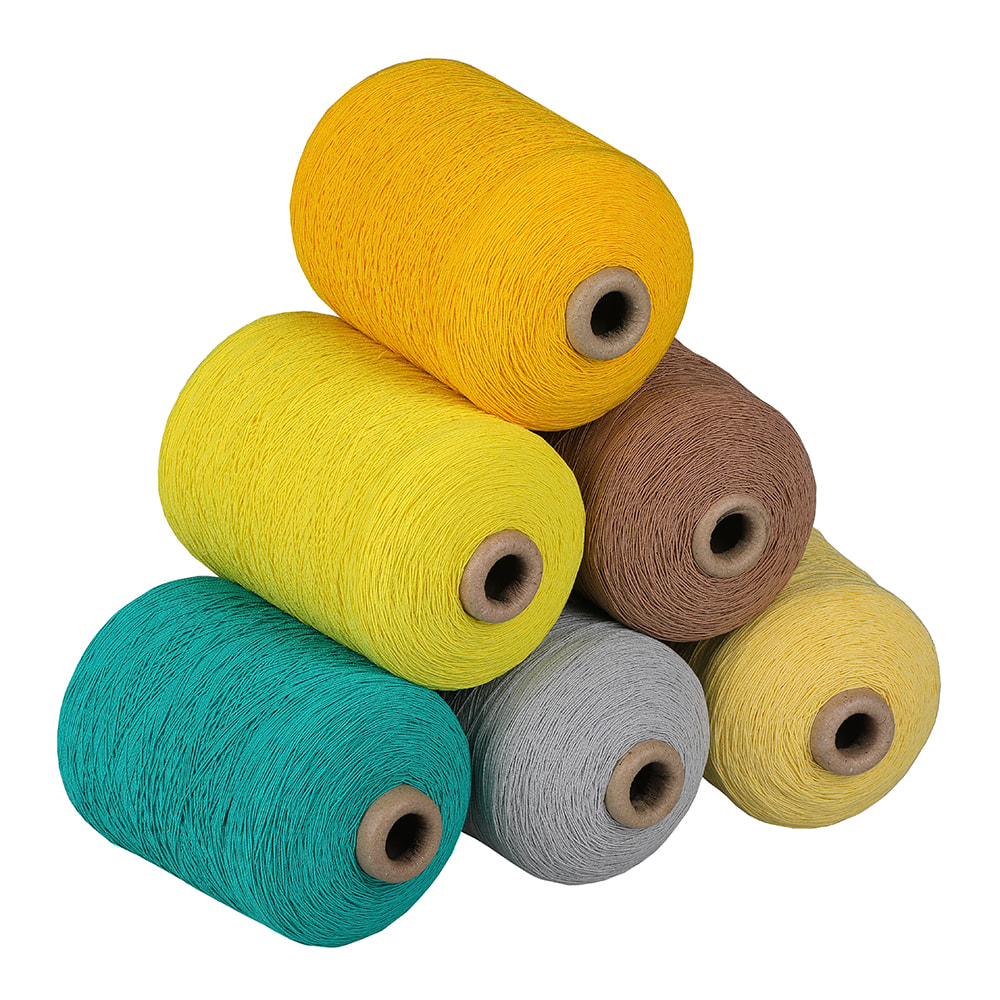
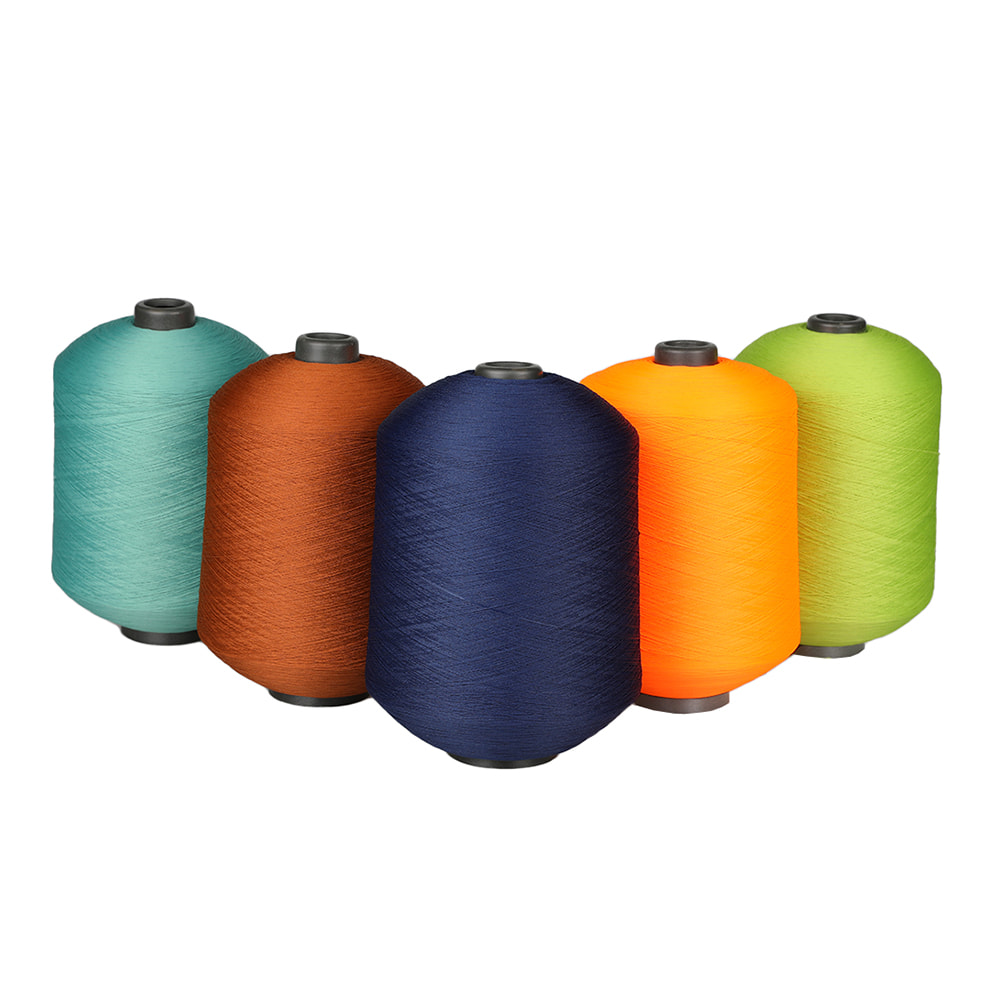
The global textile industry is at a pivotal moment, driven by a powerful demand for transparency, sustainability, and ethical production. At the heart of this transformation is Wholesale Recycled Environmentally Friendly Yarn, a material that is no longer a niche alternative but a mainstream necessity. For brands, designers, and manufacturers, sourcing the right recycled yarn is a complex decision that balances performance, cost, and environmental impact. This comprehensive guide serves as your strategic roadmap, providing deep insights into the world of sustainable yarns to help you make informed, impactful choices for your business and the planet.
1. The Ultimate Guide to Sourcing Wholesale Recycled Yarn
Transitioning to sustainable materials begins with intelligent sourcing. Procuring Wholesale Recycled Environmentally Friendly Yarn requires a clear understanding of what "environmentally friendly" truly entails. It's not just about the material's origin but also the entire chain of custody and manufacturing processes. A key element in this process is reliance on credible certifications. The Global Recycled Standard (GRS) and the Organic Content Standard (OCS) are the gold standards, verifying the recycled content and ensuring responsible social, environmental, and chemical practices throughout the supply chain. When evaluating a potential wholesale supplier, it's crucial to look beyond their marketing materials and request proof of these certifications, along with detailed information about their production capacity, quality control protocols, and flexibility in order sizes.
- Key Certifications: GRS for comprehensive traceability, OCS for verifying organic content.
- Supplier Checklist: Verify certifications, request samples, inquire about production lead times, and understand their quality assurance process.
- Core Question: Can the supplier provide full transparency from raw material to finished yarn?
2. The Designer's Choice: Working with Recycled Cotton Yarn for Knitting
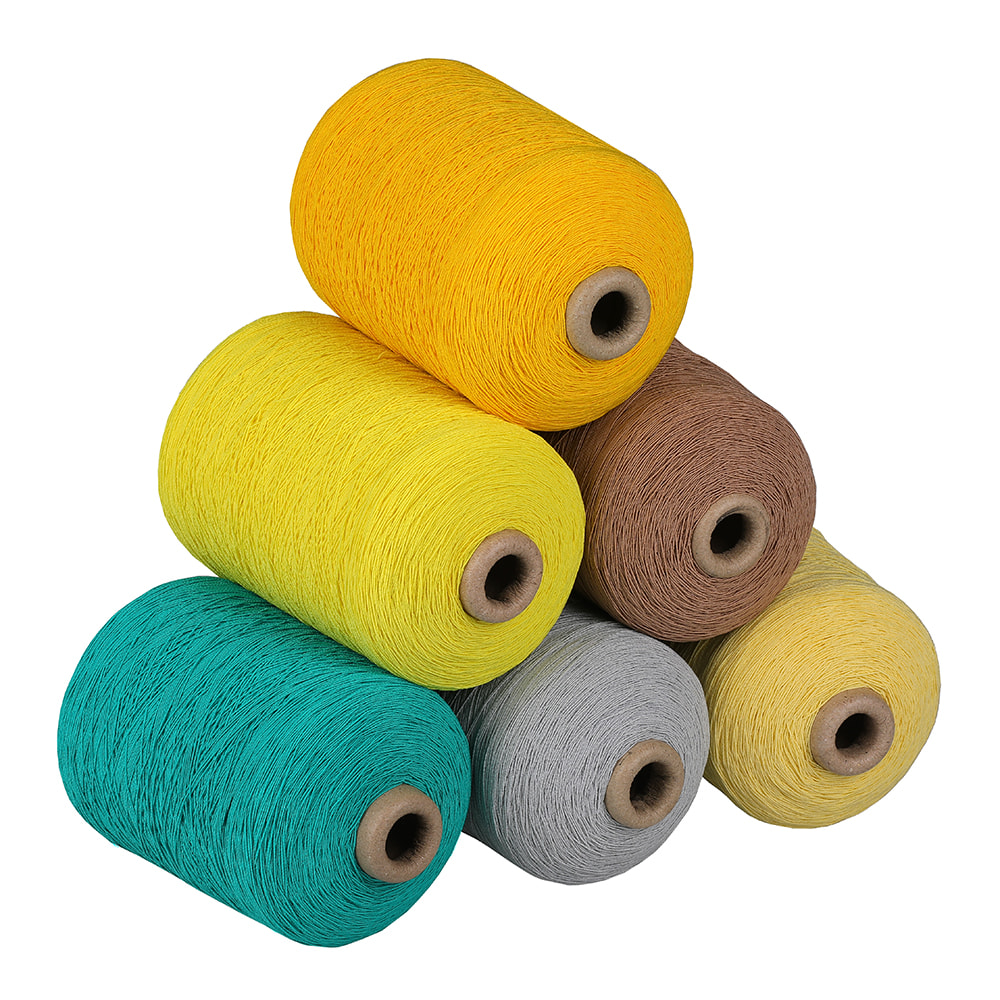
For knitwear designers and manufacturers, the material's hand-feel and performance are paramount. Recycled cotton yarn for knitting offers a unique combination of softness and sustainability. The recycling process, which breaks down post-consumer or pre-consumer cotton waste into new fibers, can result in a slightly different texture compared to virgin cotton. The fiber length is often shorter, which can affect the yarn's strength and smoothness. However, modern recycling technologies have made significant strides in producing high-quality, soft, and durable recycled cotton. When selecting a yarn for knitting, consider the final application: a chunky sweater might benefit from a more robust, rustic yarn, while a fine-gauge t-shirt requires a smoother, more tightly spun option. Understanding these nuances allows designers to fully leverage the unique character of recycled cotton.
2.1 Hand-feel and Drape: How Recycling Affects Texture
The primary difference in recycled cotton lies in the fiber length. Shorter fibers can create a fuzzier, less smooth yarn, which can be desirable for certain aesthetics. However, this can also lead to lower tensile strength and a higher propensity for pilling. High-quality recycled cotton yarns often blend recycled fibers with a small percentage of longer, virgin fibers (like Tencel or organic cotton) to improve durability and softness without compromising the eco-friendly credentials.
2.2 Choosing the Right Yarn Count and Ply for Your Project
The yarn count (thickness) and ply (number of strands twisted together) are critical for achieving the desired fabric weight and texture. For a lightweight summer tee, a finer count (e.g., 30/1 or 40/1) is ideal. For a heavy winter sweater, a thicker count like 12/1 or a chunky 2-ply yarn would be more suitable. Always knit a gauge swatch to test how the specific recycled yarn behaves with your needles and chosen stitch pattern.
3. Beyond the Label: The Power of GRS Certified Recycled Polyester Yarn
In performance wear and everyday apparel, polyester reigns supreme. The sustainable evolution of this staple is GRS certified recycled polyester yarn. The GRS certification is more than just a label; it's a rigorous third-party verification that ensures the yarn contains a specific amount of recycled material and that strict environmental and social criteria are met throughout the production chain. This includes a ban on harmful chemicals, proper wastewater treatment, and upholding workers' rights. For brands, this certification provides a powerful, credible story to tell consumers, building trust and validating sustainability claims. It transforms a simple component into a testament to the brand's commitment to a circular economy.
3.1 From Waste to Wardrobe: The GRS Certified Chain of Custody
The GRS certification tracks the material through every step of its journey. A transaction certificate (TC) is issued each time the material changes hands—from the plastic bottle collector to the recycler, to the yarn spinner, and finally to the garment manufacturer. This chain of custody ensures that the final product's recycled content claim is verifiable and not diluted by virgin materials at any stage.
3.2 Technical Performance: Recycled Polyester vs. Virgin Polyester
One of the most common concerns is whether recycled polyester matches the performance of its virgin counterpart. The answer is a resounding yes. Technologically advanced recycling processes produce polyester fibers that are virtually identical in terms of strength, durability, moisture-wicking properties, and color fastness. For most applications, there is no perceptible difference in performance.
| Attribute | Recycled Polyester | Virgin Polyester |
| Tensile Strength | Comparable | High |
| Moisture Wicking | Excellent | Excellent |
| Color Fastness | Excellent | Excellent |
| Environmental Impact | Significantly Lower (uses less energy, water, and petroleum) | High (petroleum-based, high energy consumption) |
4. Building a Brand: Sourcing Bulk Recycled Yarn for Sustainable Fashion
For modern fashion brands, sustainability is not just an add-on; it's a core part of their identity. Sourcing bulk recycled yarn for sustainable fashion is a strategic move that aligns product development with consumer values. This involves a shift from simply buying materials to building a narrative around them. The story of how a plastic bottle is transformed into a stylish jacket or how textile waste is given new life as a pair of jeans is compelling and marketable. When sourcing in bulk, it's essential to partner with a supplier who understands this vision. This means finding a partner who can ensure consistent quality across large batches, offer a wide palette of colors, and provide the necessary documentation to back up your brand's sustainability claims. This strategic partnership turns a simple purchase into a powerful brand-building exercise.
4.1 Crafting Your Sustainability Narrative with Yarn
The key is to be specific and transparent. Instead of just saying "made with recycled materials," say "made with 100% GRS-certified recycled polyester from 50 plastic bottles." Use QR codes on hangtags that link to the story of the yarn's journey. This level of detail resonates with consumers and builds a deeper connection with your brand.
4.2 Balancing Cost, Quality, and Volume in Bulk Orders
While recycled yarns were once more expensive, economies of scale have made them highly competitive. When placing bulk orders, negotiate based on volume, but also consider the total cost of ownership, which includes the marketing value of the sustainability story. Always request quality testing reports to ensure the yarn meets your technical specifications before committing to a large order.
5. From Bottle to Fabric: The Story of Recycled PET Bottle Yarn
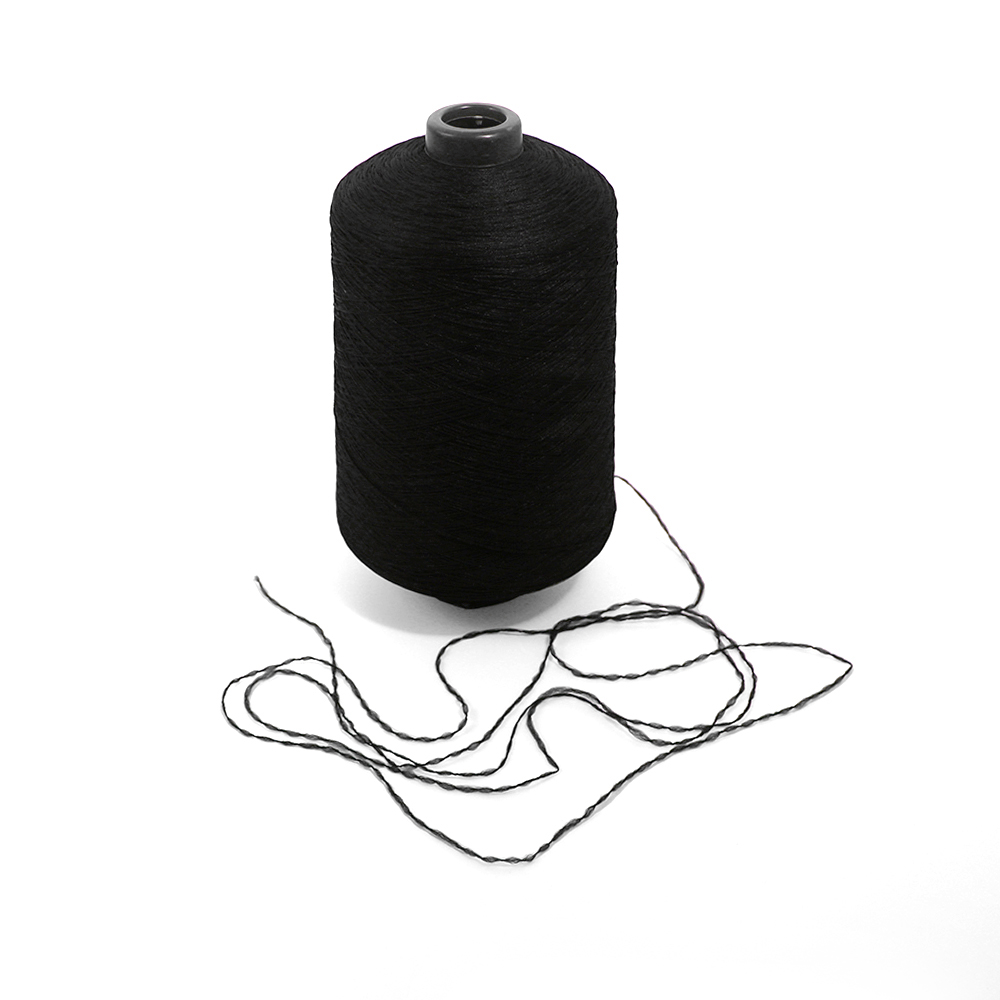
One of the most visible and impactful innovations in sustainable textiles is recycled PET bottle yarn wholesale. This process gives a second life to single-use plastic bottles, diverting them from landfills and oceans. The transformation is a fascinating technological feat. Bottles are collected, sorted, and cleaned. The caps and labels are removed, and the bottles are shredded into small flakes. These flakes are then melted and extruded into fine polyester filaments, which are spun into yarn. This closed-loop process is a cornerstone of the circular economy in fashion. For brands, using this yarn provides a tangible and easily communicable story of environmental stewardship that resonates strongly with eco-conscious consumers.
5.1 The Step-by-Step Transformation Process
The journey from bottle to yarn involves several key stages: collection and sorting, cleaning and shredding into flakes, melting and polymerization to create chips, extrusion into filaments, texturizing to add bulk and softness, and finally, spinning into yarn. Each step is carefully controlled to ensure the final yarn meets the required quality standards for strength, consistency, and dyeability.
5.2 Environmental Impact: Quantifying the Benefits
The environmental benefits are significant and measurable. Producing recycled polyester yarn uses up to 50% less energy and reduces water consumption by up to 20% compared to virgin polyester. Crucially, it reduces our reliance on petroleum as a raw resource and helps to mitigate the plastic pollution crisis. For every 1,000 kilograms of recycled PET yarn produced, approximately 60,000 plastic bottles are diverted from landfills.
6. Accessible Sustainability: Finding Low Minimum Order Recycled Yarn
For small brands, independent designers, and startups, the high minimum order quantities (MOQs) of wholesale yarn can be a significant barrier to entry. The demand for low minimum order recycled yarn is growing rapidly, reflecting the rise of small-batch and made-to-order fashion models. Overcoming this challenge requires a strategic approach to sourcing. Some suppliers now specialize in catering to smaller clients, offering stock service programs with popular colors available for immediate shipment in smaller quantities. Another effective strategy is to collaborate with other designers or brands to place a larger, consolidated order. This not only meets the MOQ but also builds a community of like-minded creators committed to sustainability.
MOQs are set because the cost of setting up a spinning machine, preparing dyes, and managing quality control is significant, regardless of the order size. To navigate this, be flexible with your color choices (opting for stock colors), and be open to using slightly different yarn counts that the supplier may have in stock.
6.2 Strategies for Small Brands and Designers
Look for suppliers that offer a "stock service" or "quick order" program. Attend textile trade shows to meet smaller, more flexible mills. Join online communities and forums for designers to find potential partners for group buys. Being proactive and flexible can open up a world of sustainable possibilities, even on a small budget.
FAQ
Is recycled yarn more expensive than virgin yarn?
The cost of recycled yarn has become increasingly competitive with virgin yarn. While historically it may have carried a premium, advancements in recycling technology and economies of scale have closed the gap significantly. In some cases, especially with recycled polyester, the cost can be on par with or even lower than virgin polyester. When evaluating cost, it's also important to factor in the marketing value and brand equity gained from using a sustainable material, which can provide a significant return on investment.
How can I be sure the yarn is actually recycled?
The most reliable way to verify recycled content is through third-party certifications. The Global Recycled Standard (GRS) is the most comprehensive and trusted certification. A GRS-certified supplier will be able to provide a Transaction Certificate (TC) for every batch of yarn sold, which tracks the material through the supply chain. Always ask for the supplier's GRS certificate number, which you can often verify online through the certifying body's database.
What is the difference between pre-consumer and post-consumer recycled yarn?
Pre-consumer recycled material is waste created during the manufacturing process, such as fabric scraps from a garment factory. Post-consumer recycled material comes from products that have been used by consumers and then discarded, such as plastic bottles or old clothing. Both are valuable, but post-consumer recycling is generally considered to have a greater environmental benefit as it diverts waste from the landfill and closes the loop on a product's life cycle.
Can recycled yarn be dyed any color?
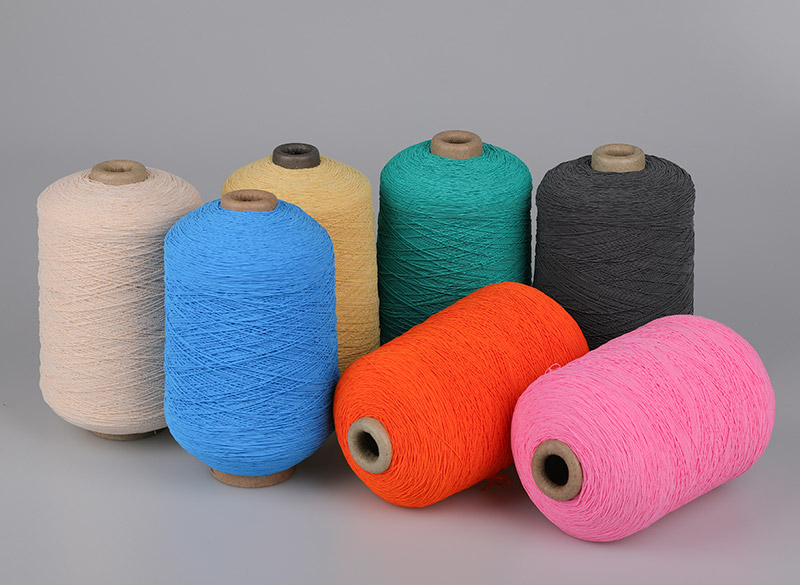
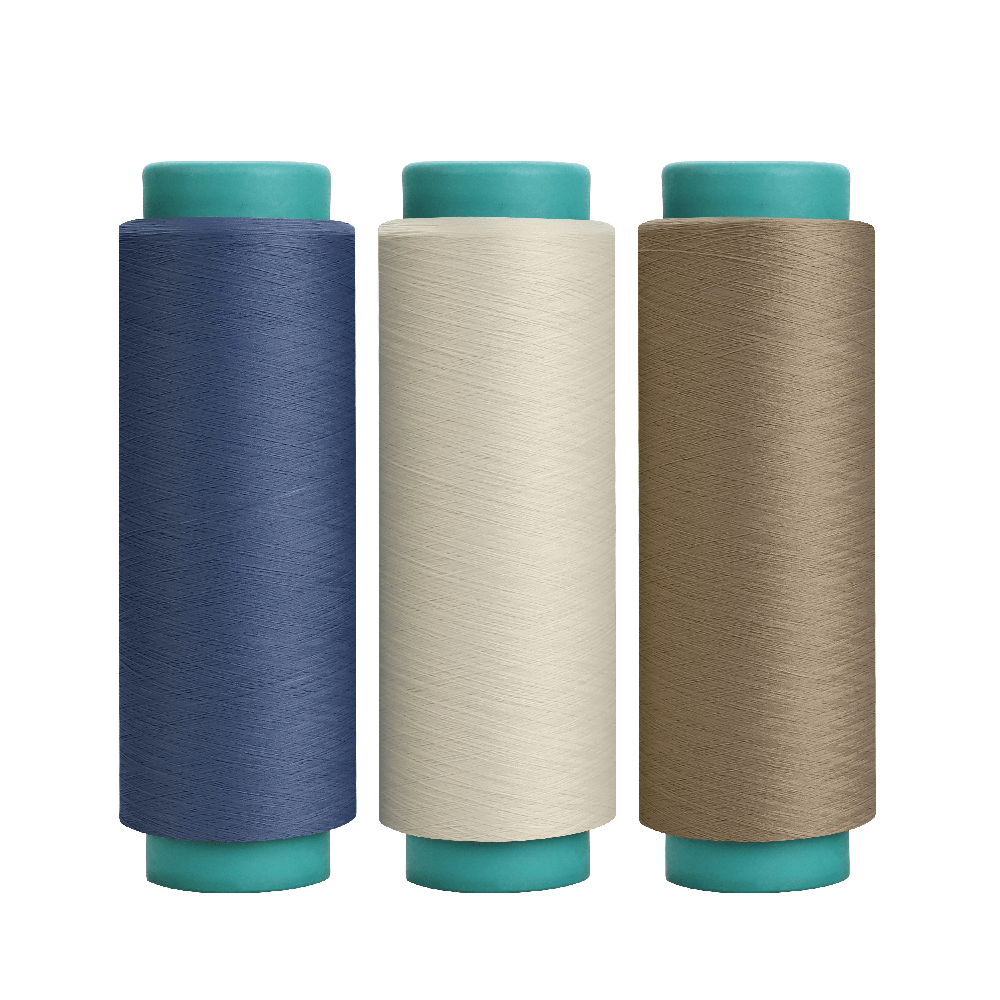
Yes, recycled yarns can be dyed in a vast spectrum of colors, just like virgin yarns. The dyeing process is generally the same. However, it's important to work with a supplier who has expertise in dyeing recycled fibers, as the starting base color of the recycled material can sometimes affect the final shade. A reputable supplier will be able to provide lab dips and ensure color consistency across different dye lots, which is crucial for any fashion brand.