English
 中文简体
中文简体 Español
Content
- 1 1. Material Defined: Understanding Latex Rubber Thread
- 2 2. High-Performance Applications in Industry
- 3 3. Enabling Creativity and Customization
- 4 4. Navigating Material Choices and Market Trends
- 5 5. Sourcing for Quality and Reliability
- 6 FAQ: Your Latex Rubber Thread Questions Answered
- 6.1 What's the difference between latex rubber thread and spandex/elastic yarn?
- 6.2 How do I care for and store latex rubber thread to maximize its lifespan?
- 6.3 What are the typical minimum order quantities (MOQ) for bulk wholesale purchases?
- 6.4 Can latex thread be used for outdoor applications?
- 6.5 Is there a trend towards more sustainable or biodegradable latex rubber threads?
1. Material Defined: Understanding Latex Rubber Thread
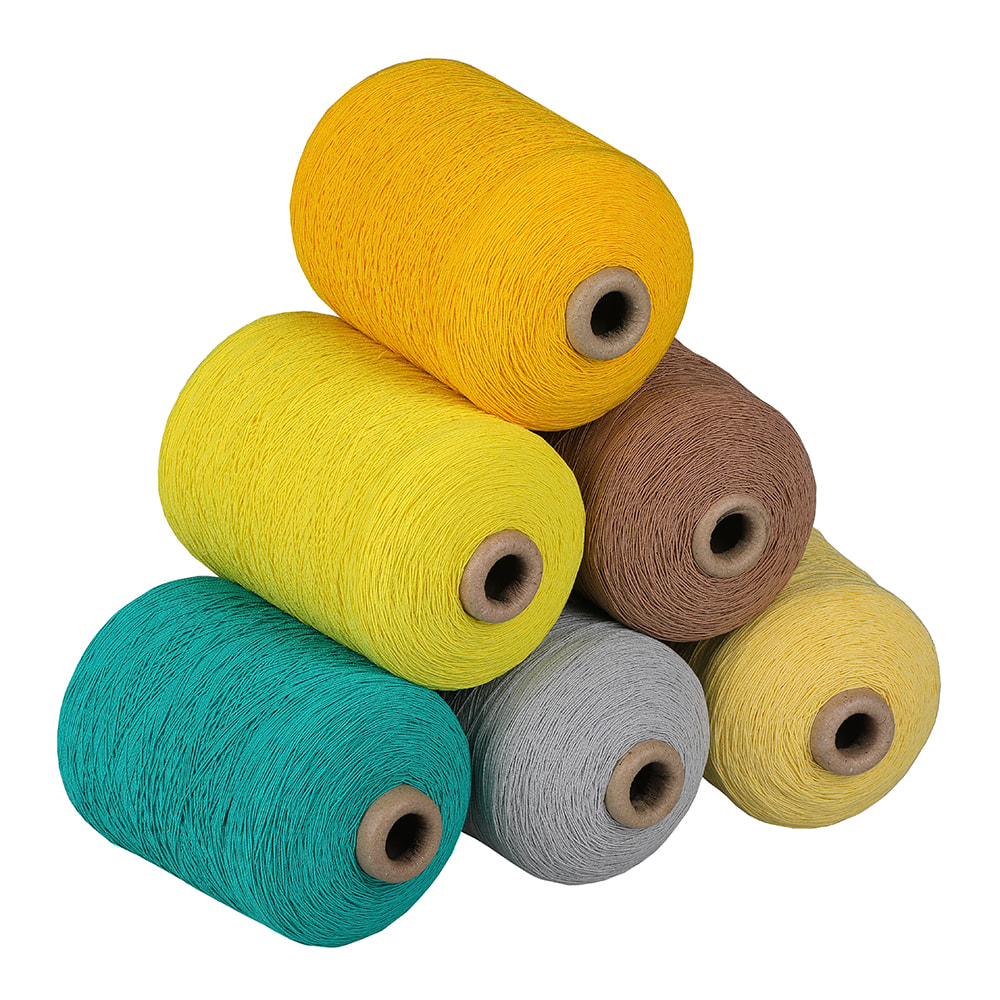
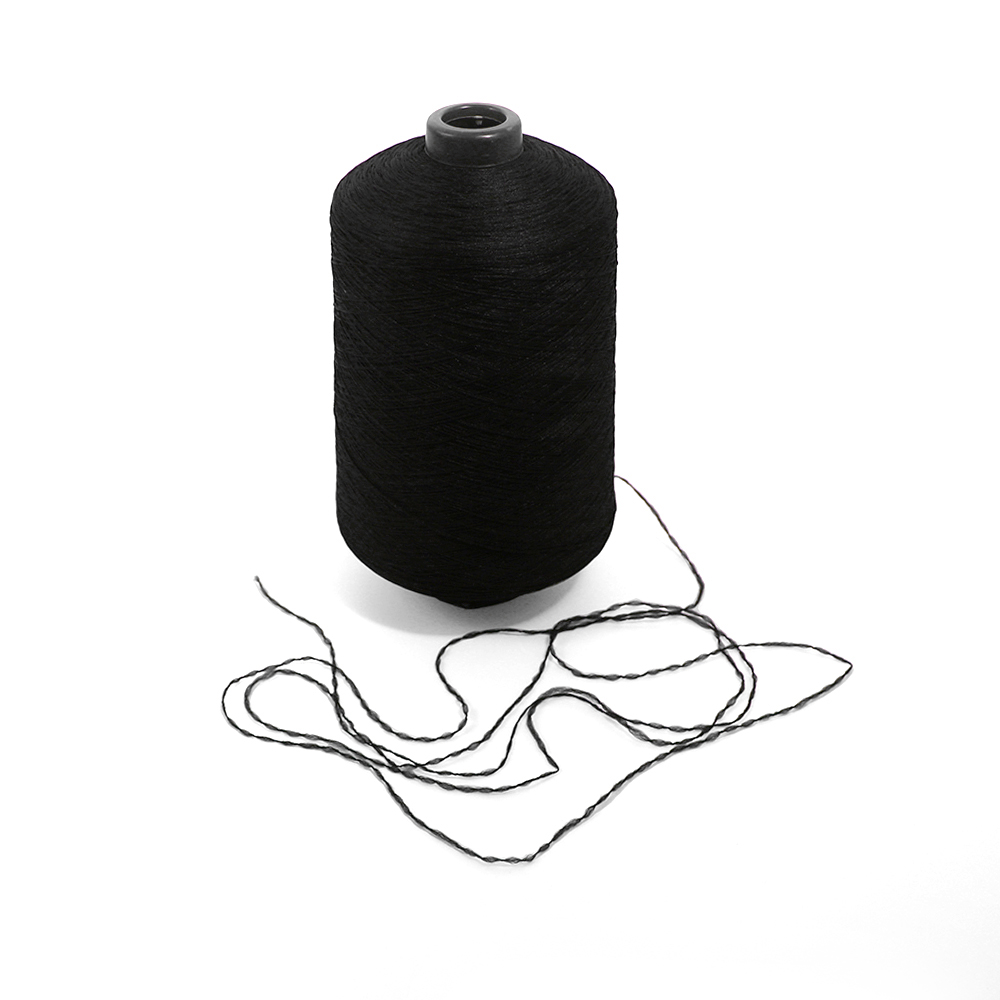
At its core, wholesale latex rubber band thread is a highly elastic, durable cord made by extruding liquid latex rubber and vulcanizing it. This process creates a continuous, flexible thread with exceptional stretch and recovery properties, far surpassing standard elastic yarns in uniform tension and longevity. It serves as a foundational component across industries, from holding garments together to enabling life-saving medical devices.
- Core Composition: Primarily natural rubber latex or synthetic variants like nitrile, stabilized with antioxidants and vulcanizing agents.
- Form Factors: Available in a vast range of diameters (from less than 0.5mm to over 3mm), on spools, cones, or in pre-cut bands.
Natural vs. Synthetic: The Source of Elasticity
The choice between natural and synthetic latex fundamentally impacts performance and application. Natural latex, derived from the Hevea brasiliensis tree, offers superior elongation, a softer feel, and excellent dynamic fatigue resistance, making it ideal for continuous flexing applications. Synthetic latex, such as nitrile or polychloroprene, provides enhanced resistance to oils, ozone, and oxidation, crucial for industrial or automotive uses.
Core Physical Properties: Stretch, Recovery, and Tensile Strength
Performance is quantified by three key metrics. Stretch (elongation at break) often exceeds 500-700%. Recovery refers to the thread's ability to return to its original length after stretching; premium latex threads maintain near-perfect recovery over thousands of cycles. Tensile strength, the force required to break the thread, ensures integrity under load. For example, a 1mm diameter thread might have a tensile strength of 15-20 kg/cm².
2. High-Performance Applications in Industry
Beyond simple bundling, latex rubber thread is engineered into products where failure is not an option. Its reliability under cyclic stress makes it indispensable in sectors demanding precision and durability.
The Textile Backbone: Natural Latex Rubber Band Thread for Textile Weaving
In the textile industry, this thread is seamlessly woven or knitted into fabrics to provide controlled elasticity. It is the invisible engine behind comfort in waistbands, bra straps, sock tops, and sportswear. For high-end apparel, the thread's consistent gauge and smooth surface prevent irritation and ensure the fabric recovers its shape wash after wash.
- Weaving Process: The thread is often covered with nylon or cotton (creating a "covered rubber") before being integrated into the loom or knitting machine to protect it from abrasion and direct contact with the skin.
- Performance Demand: Manufacturers seek threads with low "rubber memory" to prevent garment twisting and high resistance to degradation from sweat, detergents, and UV exposure.
Creating Comfort and Fit in Woven Garments
The integration of latex thread allows for form-fitting designs without constriction. In activewear, it enables compression zones for muscle support. In medical textiles, such as compression stockings, it delivers graduated therapeutic pressure. Suppliers like ElasticCorp International specialize in ultra-fine, high-tenacity threads specifically engineered for circular knitting machines, a staple in seamless garment production.
Safety First: High Strength Latex Rubber Thread for Medical Applications
This segment represents the pinnacle of material engineering. Threads for medical use must comply with stringent ISO 10993 (biocompatibility) and USP Class VI standards. They are found in口罩耳带 (mask earloop), orthopedic braces, surgical garment seams, and disposable underwear. The focus is on consistent sterilization tolerance (withstand ethylene oxide, gamma irradiation) and hypoallergenic formulations.
| Application | Key Thread Requirement | Typical Specification |
| Surgical Mask Earloops | Low modulus (soft stretch), skin-friendly, high fatigue resistance | Diameter: 1.2-1.8mm, Tensile: ~8-12N |
| Elastic Bandages & Braces | High tensile strength, controlled compression, moisture resistance | Diameter: 2.0-3.0mm, Tensile: 20-30N |
| Disposable Hygiene Products | Excellent chemical resistance to bodily fluids, softness | Latex or synthetic blends, often film-coated |
3. Enabling Creativity and Customization
The versatility of latex thread extends into markets driven by aesthetics and bespoke production, where color and form factor are as critical as performance.
Bringing Ideas to Life with Custom Color Latex Elastic Thread Bulk Supplier
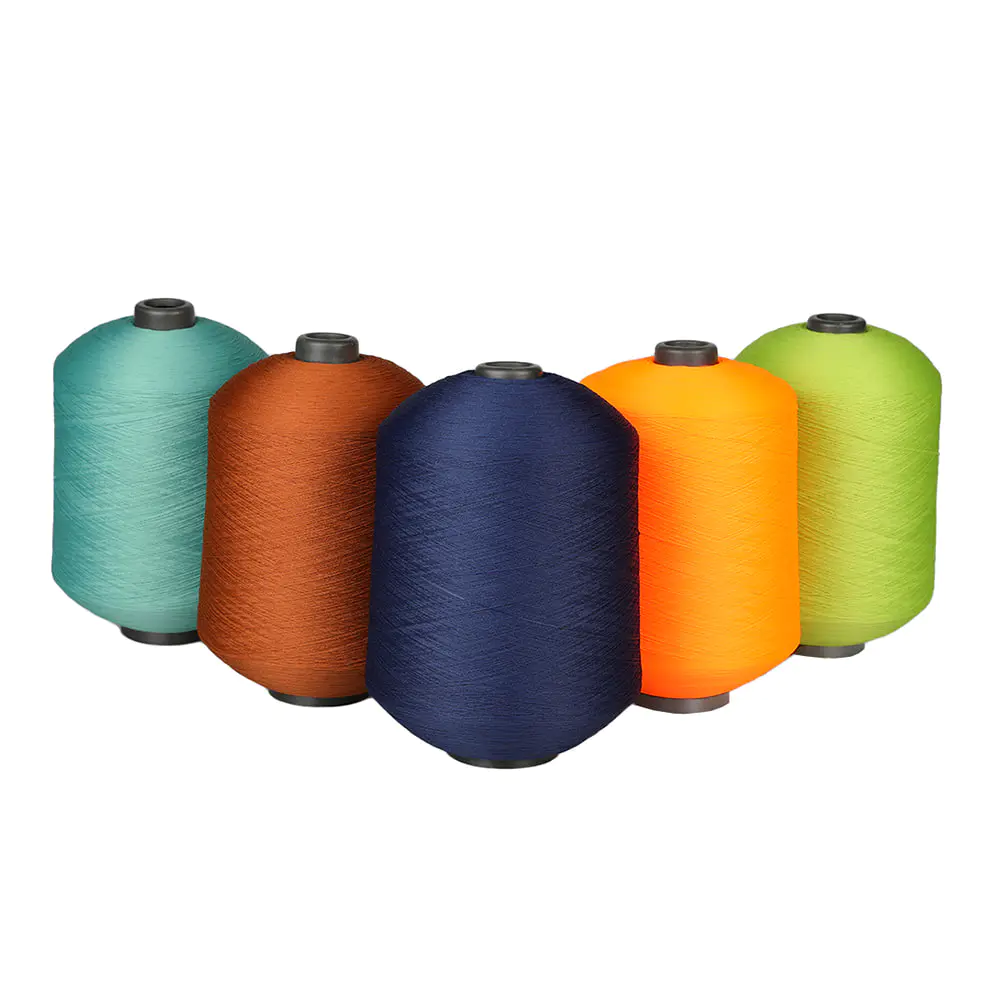
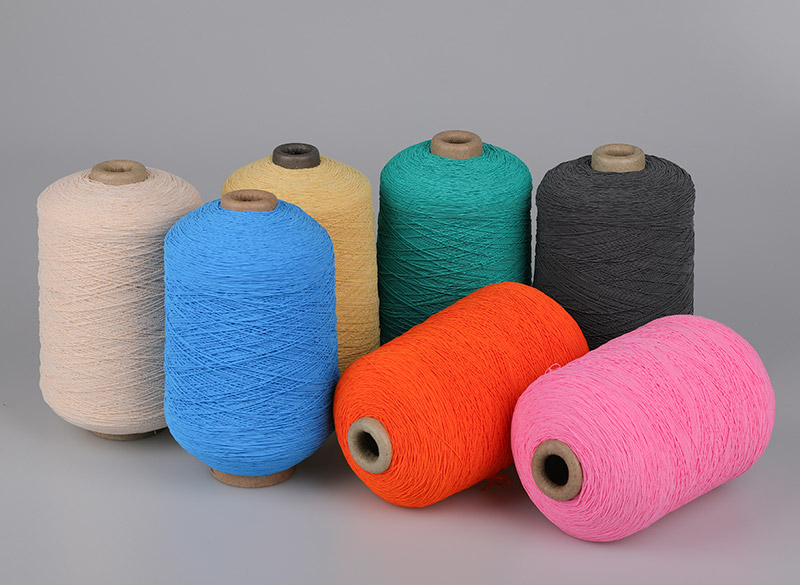
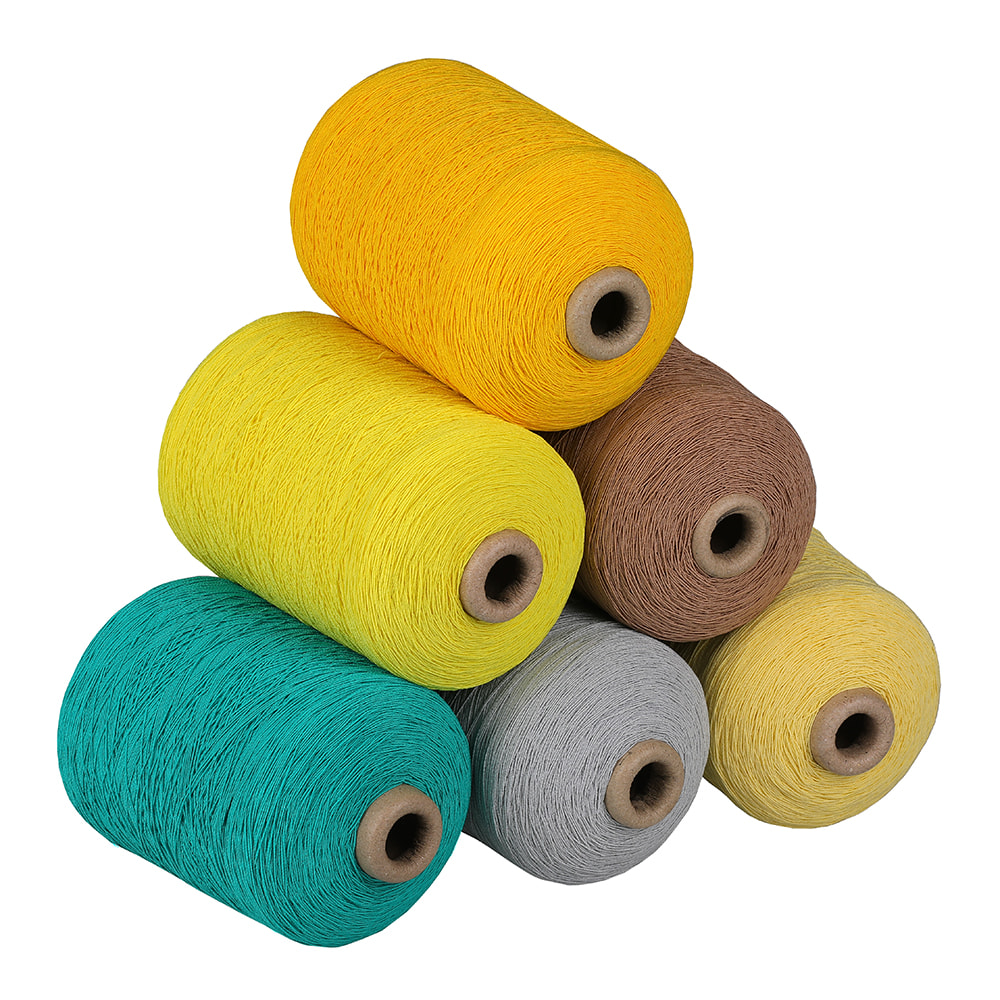
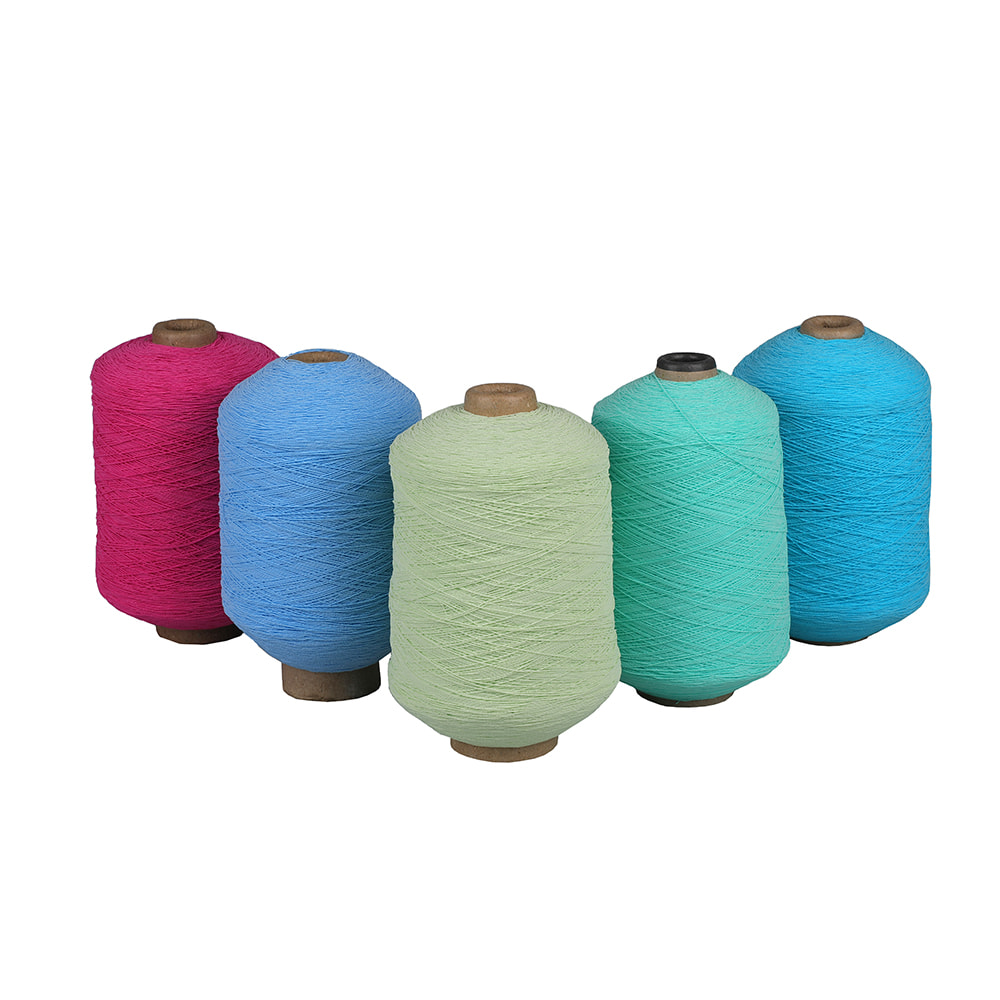
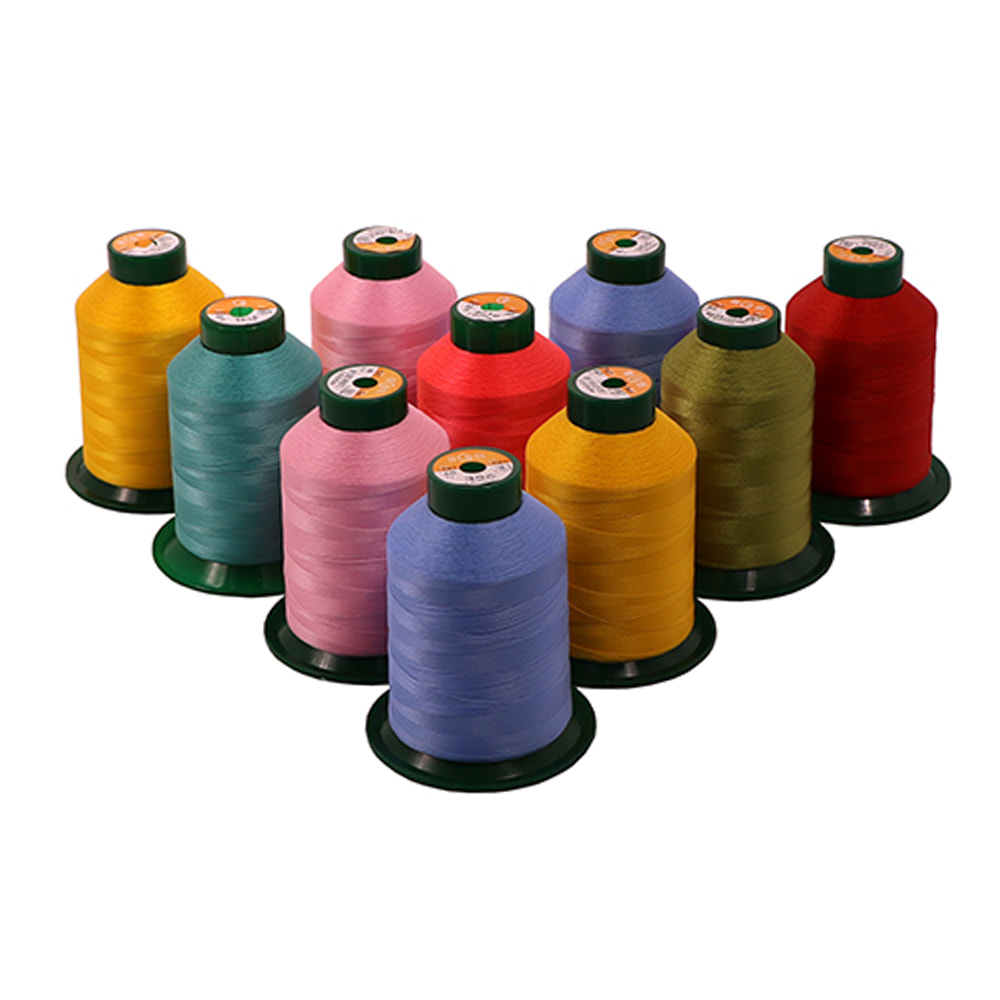
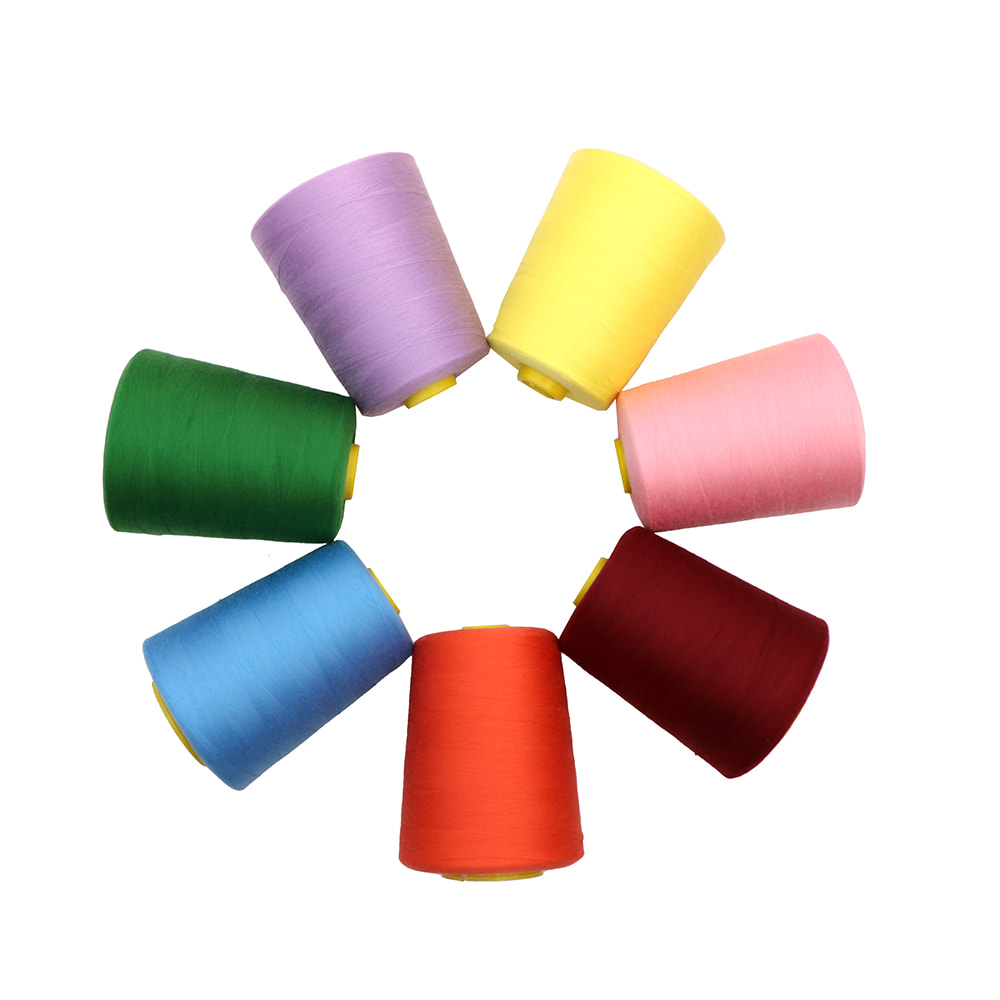
Brand identity often hinges on specific color palettes. A proficient custom color latex elastic thread bulk supplier masters pigment dispersion within the rubber matrix to achieve vibrant, non-bleeding colors that maintain elasticity. This service is vital for branded apparel tags, themed event wristbands, identifiable craft supplies, and color-coded industrial bundling.
- Color Matching: Suppliers use Pantone or RAL systems to ensure batch-to-batch consistency, a non-negotiable for large production runs.
- Technical Challenge: Adding pigment can affect cure rates and physical properties. Expert suppliers like GlobalElastix Ltd. optimize their compounds to preserve >90% of the base material's stretch and recovery.
The Maker's Essential: Continuous Length Latex Rubber Cord for Crafts and DIY
The DIY and craft revolution has created massive demand for continuous length latex rubber cord for crafts and DIY. Sold on spools, it allows makers to cut exact lengths for jewelry making (bracelets, necklaces), home decor (upholstery tying, rug backing), and small-scale textile projects. This format offers economic and creative flexibility compared to pre-cut bands.
An informed buyer understands the evolving landscape, including material innovations driven by regulatory and consumer trends.
Addressing Allergies: Understanding the Latex Free Rubber Band Thread Alternative Wholesale Market
With latex protein allergies affecting a portion of the population, the demand for latex free rubber band thread alternative wholesale options is robust. High-performance alternatives include Thermoplastic Elastomers (TPE) and silicone rubber threads. These materials offer good elasticity and excellent chemical/UV resistance, though their feel and recovery profile differ from natural latex.
| Material | Key Advantages | Trade-offs | Best For |
| Natural Latex Thread | Superior elasticity, dynamic recovery, soft feel, biodegradable | Potential for allergenicity, degrades with oils/ozone | Textiles, general purpose, eco-products |
| TPE/Synthetic Rubber Thread | Latex-free, consistent quality, good oil/weather resistance | Often higher cost, different "hand feel," may have lower ultimate elongation | Medical alternatives, outdoor gear, industrial uses |
| Silicone Rubber Thread | Extreme temperature tolerance (-60°C to 230°C), inert, hypoallergenic | High cost, lower tensile strength, can be difficult to dye | Specialty medical, food-grade, high-heat applications |
5. Sourcing for Quality and Reliability
Selecting the right wholesale supplier is a strategic decision impacting product quality, supply chain stability, and compliance.
Key Considerations When Choosing a Wholesale Supplier
Look beyond price. Evaluate the supplier's technical support, ability to provide material certifications (e.g., REACH, FDA), and consistency in diameter tolerance (±0.05mm is a good benchmark). A supplier with in-house compounding and testing labs, like Precision Elastic Manufacturing Co., can co-develop solutions for specific applications.
Questions to Ask About Certifications, MOQs, and Lead Times
- "Can you provide a Certificate of Analysis (CoA) for each batch, detailing durometer, tensile strength, and elongation?"
- "What is your standard Minimum Order Quantity (MOQ) for custom colors, and does it decrease for standard colors?"
- "What are your typical production and shipping lead times for a 500kg order to North America?"
- "Do you offer pre-production samples for technical validation?"
FAQ: Your Latex Rubber Thread Questions Answered
What's the difference between latex rubber thread and spandex/elastic yarn?
They are fundamentally different materials. Latex rubber thread is a solid, extruded elastomer (rubber) that provides elasticity through its molecular structure. Spandex (Lycra) is a synthetic polymer fiber (polyurethane) that is spun into yarn. Latex thread generally offers higher and more consistent retractive force over a longer lifespan but is sensitive to oils and UV. Spandex yarn is lighter, more resistant to cosmetics and sweat, and can be finer, but may lose elasticity faster under sustained high heat or tension. Choice depends on the required force, environmental exposure, and fabric construction.
How do I care for and store latex rubber thread to maximize its lifespan?
Proper storage is critical. Keep latex thread in a cool, dark, and dry place, ideally below 25°C (77°F) and away from direct sunlight, ozone generators (like some motors), and volatile chemicals. Store on spools to avoid kinks. For finished products, avoid washing with harsh bleach or strong oxidizing agents. Gentle detergents and air drying are recommended. Applying a light dusting of talc or cornstarch during long-term storage can prevent surface tackiness.
What are the typical minimum order quantities (MOQ) for bulk wholesale purchases?
MOQs vary significantly by supplier and product type. For standard natural wholesale latex rubber band thread in common diameters and colors, MOQs can start as low as 25-50 kg per color/diameter combination. For custom color latex elastic thread, MOQs typically range from 100 kg to 500 kg per color due to the setup and cleaning required for compounding and extrusion lines. Specialized products like high strength latex rubber thread for medical applications may have higher MOQs due to stringent production runs and testing protocols. Always confirm with the supplier.
Can latex thread be used for outdoor applications?
Natural latex thread has limited resistance to prolonged UV exposure and ozone, which can cause surface cracking and loss of elasticity over time. For outdoor applications (e.g., garden ties, outdoor furniture, marine uses), specify synthetic alternatives like EPDM or ozone-resistant synthetic rubber threads. These are chemically formulated to withstand weathering. If natural latex must be used, look for "anti-ozonant" treated varieties and ensure the final product is designed to shield the thread from direct sunlight as much as possible.
Is there a trend towards more sustainable or biodegradable latex rubber threads?
Yes, this is a major industry trend. Leading suppliers are increasingly offering threads made from sustainably sourced natural rubber (certified by organizations like the Forest Stewardship Council for rubber plantations) or developing bio-based synthetic alternatives. Furthermore, research into thermoplastic rubber threads derived from renewable sources is advancing. For environmentally conscious brands, inquiring about a supplier's sustainability practices and product lifecycle analysis is becoming a standard part of the sourcing process.