English
 中文简体
中文简体 Español
Content
- 1 Mechanical Advantages of Continuous Filament Length in Large Packages
- 2 Impact of Package Size on Tension Consistency and Fabric Uniformity
- 3 Operational Efficiency and Total Equipment Effectiveness (OEE)
- 4 Comparison of Industrial Yarn Package Specifications
- 5 Standard Compliance and Quality Control in Large Scale Winding
Mechanical Advantages of Continuous Filament Length in Large Packages
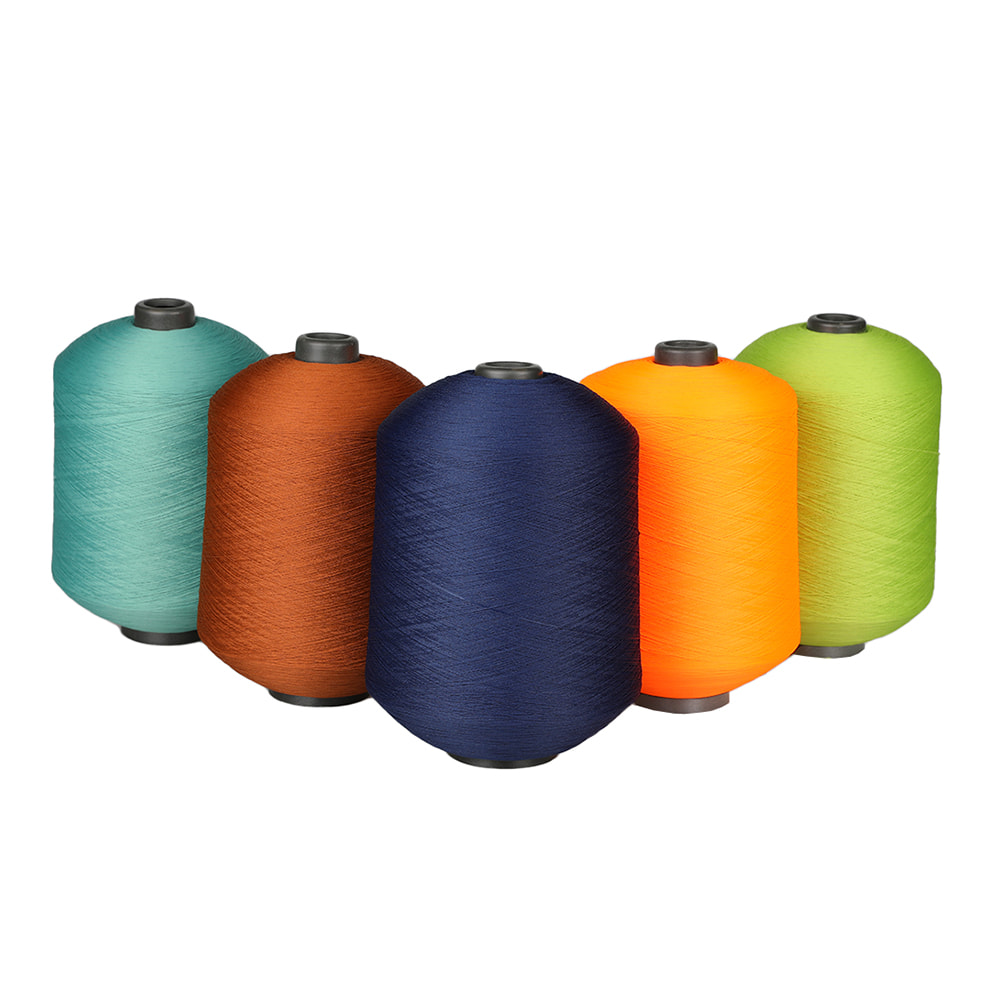
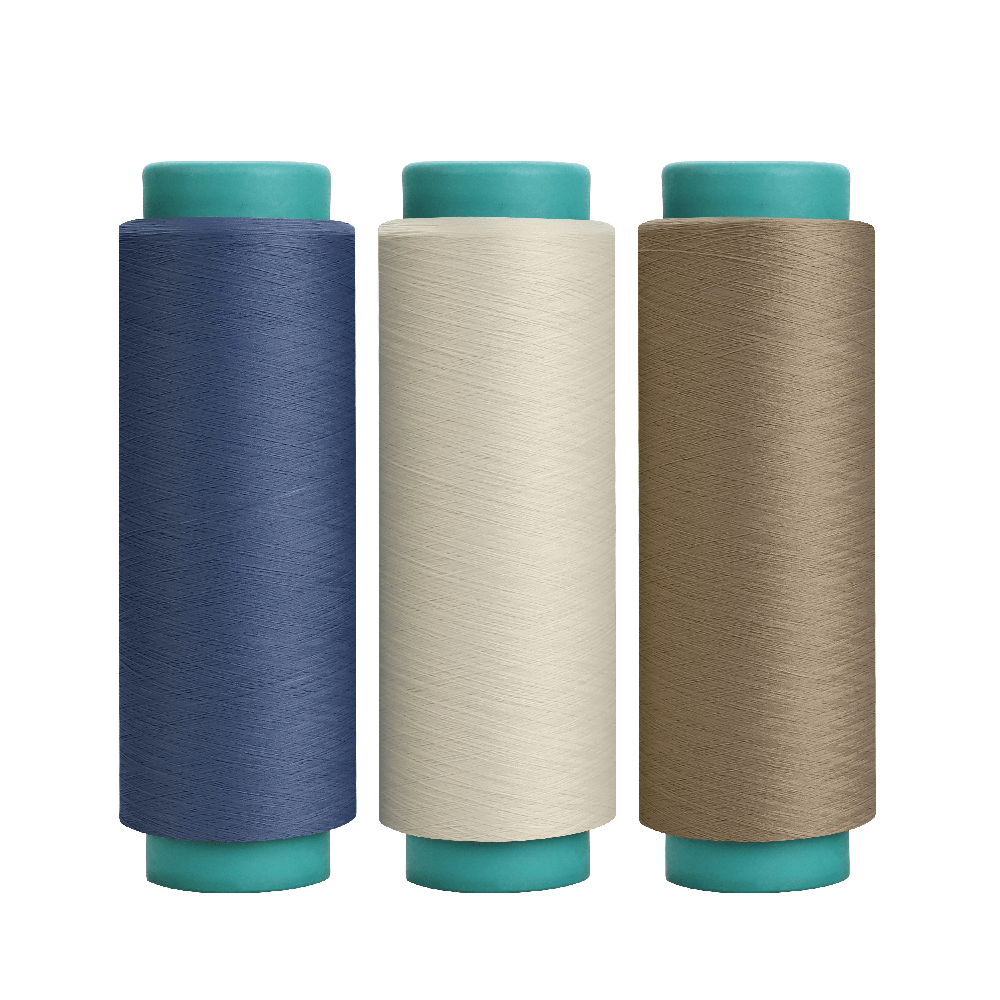
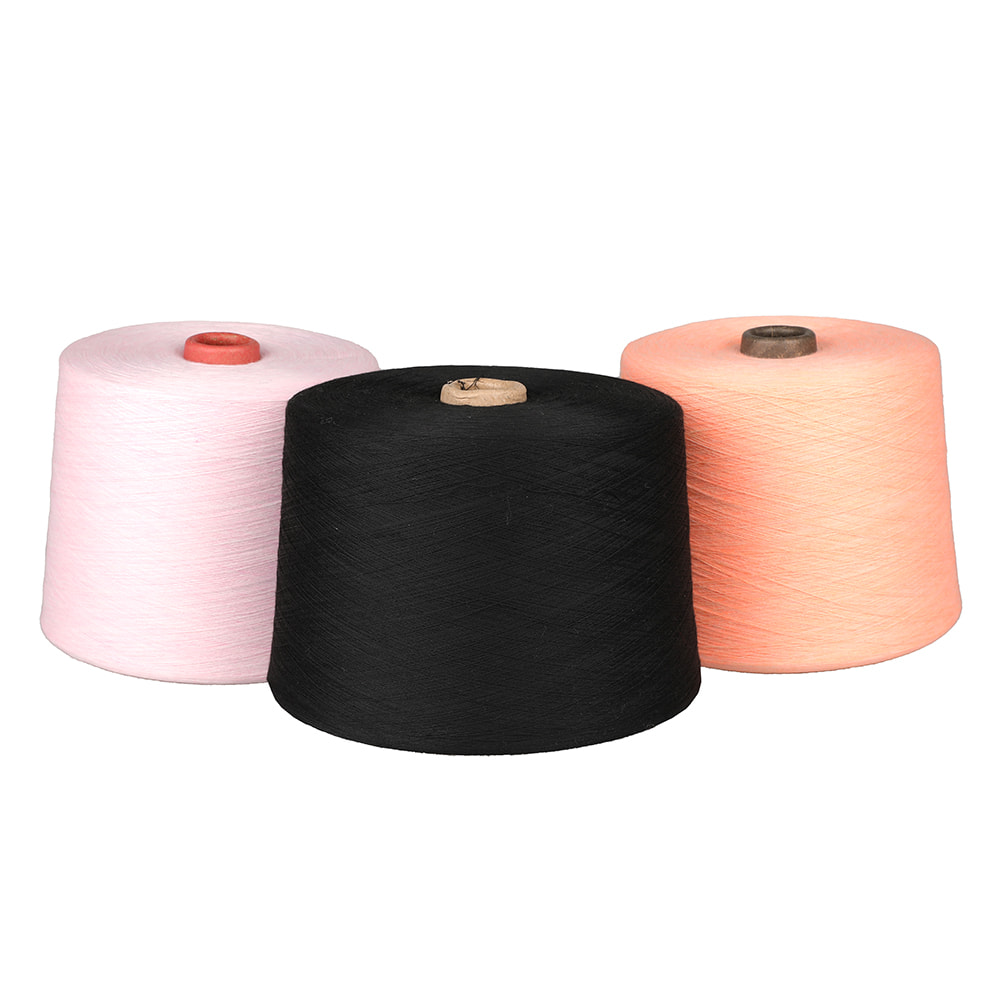
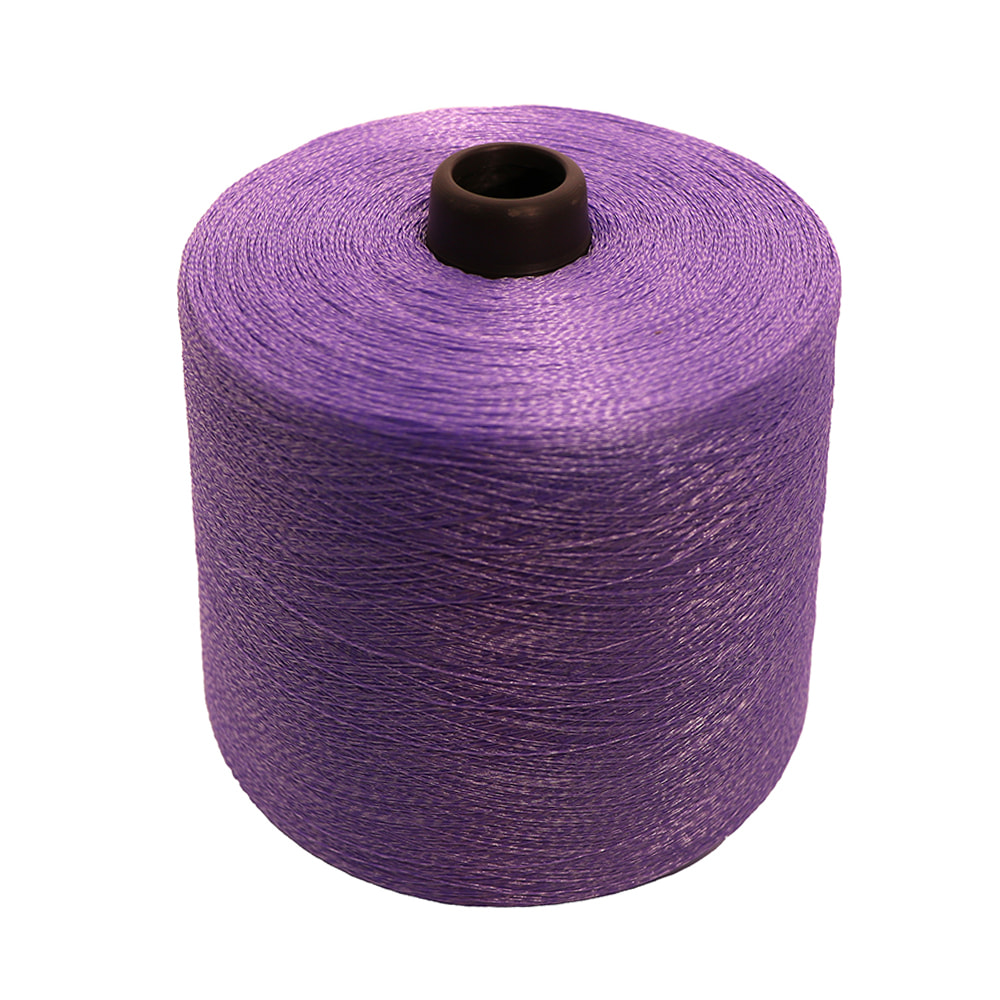
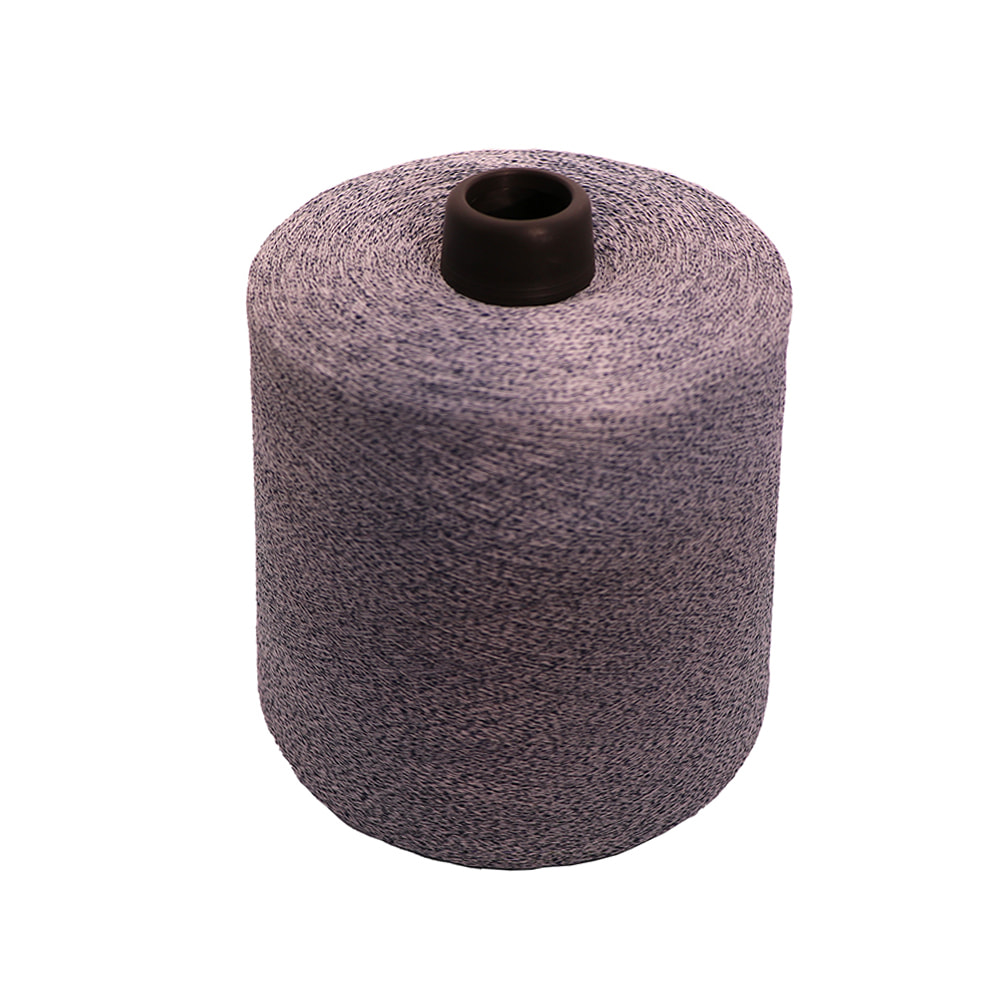
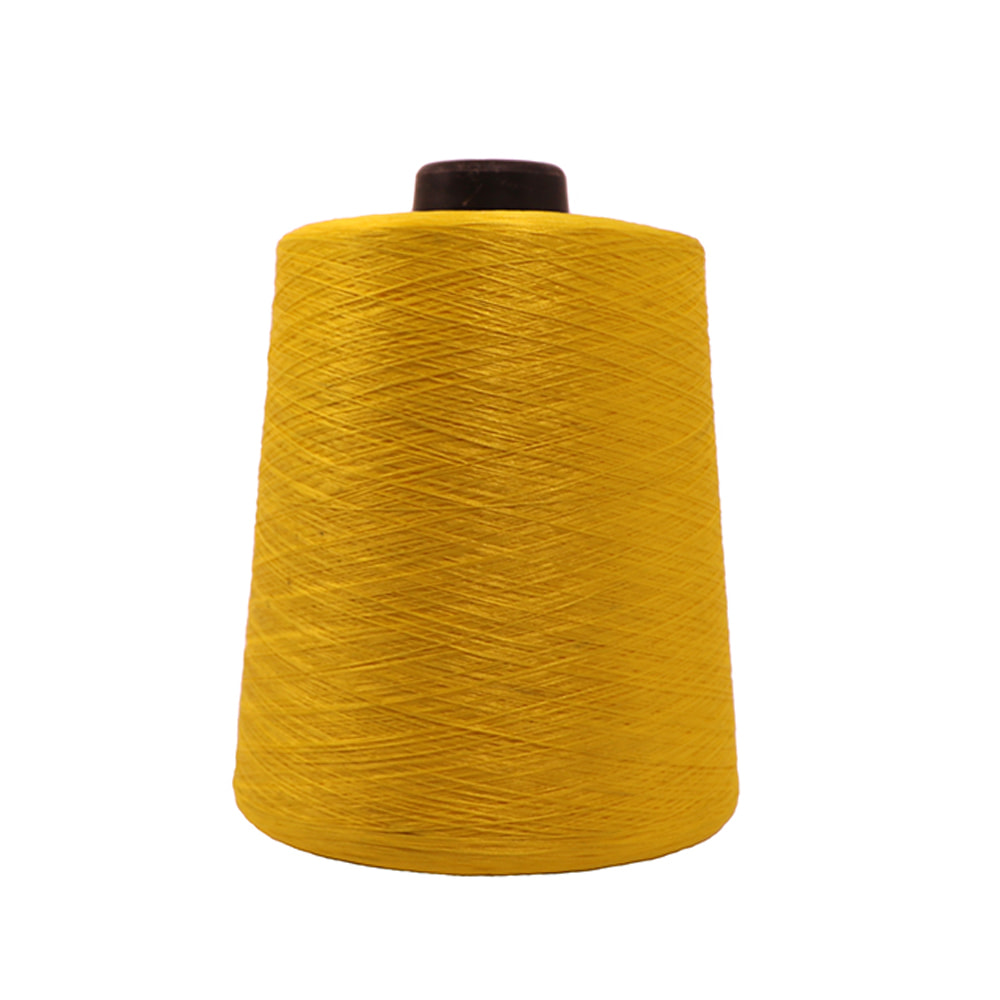
- The primary engineering benefit of jumbo polyester yarn is the significant increase in continuous filament length per package. By expanding the package diameter and weight (often reaching 10kg to 15kg per cone), the number of package changeovers is reduced. This directly answers how jumbo yarn packages reduce textile waste, as each changeover typically results in yarn tail loss and potential machine calibration errors.
- When considering jumbo polyester yarn vs standard cones, the most critical metric is the "knot frequency." In high-speed weaving, knots are structural discontinuities. Using larger packages allows for longer runs without manual or mechanical splicing, which is why large yarn packages improve weaving efficiency by maintaining a constant warp or weft tension for extended durations.
- The reduction in yarn joins in fabric manufacturing is essential for technical textiles. Every join or splice represents a localized change in the yarn's linear density (denier) and twist multiplier, which can manifest as visible streaks or "barre" effects in the finished cloth.
Impact of Package Size on Tension Consistency and Fabric Uniformity
- Achieving fabric uniformity with jumbo polyester yarn requires a precise understanding of unwinding tension. As the yarn travels from a full jumbo cone to the empty core, the "ballooning" effect changes. Advanced creel systems must compensate for this to prevent variations in stitch length or pick density.
- The tensile strength of polyester yarn in large rolls remains consistent due to the controlled winding environment at the spinning plant. Large-scale winding machines use precision cross-winding technology to ensure that the jumbo polyester yarn does not suffer from "sloughing" or overlapping, which causes high-tension spikes during high-speed unwinding at speeds exceeding 800 m/min.
- For manufacturers asking, does jumbo yarn minimize fabric defects, the data indicates a correlation between fewer cone transitions and a lower frequency of "stop marks." Each time a loom stops for a yarn change, the beat-up force of the reed can vary, leading to a horizontal line in the fabric that compromises aesthetic and structural integrity.
Operational Efficiency and Total Equipment Effectiveness (OEE)
- The cost-benefit of jumbo yarn for textile mills extends beyond material costs into labor and downtime reduction. If a standard 2kg cone requires a change every 4 hours, a 12kg jumbo package extends that interval to 24 hours, effectively increasing the machine's active runtime and improving the plant's OEE.
- Implementing high-speed unwinding of jumbo polyester yarn necessitates the use of high-performance ceramic guides and tension discs. The increased mass of the jumbo package provides a stable base, reducing vibration at the creel, which is a common cause of yarn breakage in automated knitting.
- Logistically, the jumbo polyester yarn format optimizes pallet utilization. Fewer packages per ton of material mean reduced handling time for AGVs (Automated Guided Vehicles) and manual operators, streamlining the internal supply chain from the warehouse to the production floor.
Comparison of Industrial Yarn Package Specifications
- In industrial settings, the selection of yarn package size is a critical variable in process design. The table below illustrates the technical divergence between standard and jumbo formats.
- Continuous Length (km / 167 dtex)
| Specification Metric | Standard Cone | Jumbo Package |
| Average Weight (kg) | 1.5 - 2.5 | 8.0 - 15.0 |
| Knot Frequency (per 100kg) | High (40-60) | Low (<10) |
| Changeover Downtime (min/day) | 120 - 180 | 20 - 40 |
Standard Compliance and Quality Control in Large Scale Winding
- To ensure the longevity of jumbo yarn cone cores, manufacturers utilize high-density reinforced plastic or compressed paperboard. These cores must withstand the high compressive forces exerted by the polyester's elastic recovery without collapsing, which would cause unwinding failure.
- Compliance with ISO 2060 standards is maintained to ensure that the linear density (tex/denier) remains uniform throughout the entire jumbo polyester yarn package. This prevents "shading" in dyed fabrics, where different sections of the yarn absorb dye at different rates due to tension-induced crystallinity changes.
Engineering FAQ
- Does the increased weight of a jumbo package affect creel stability? Yes, creels must be rated for higher static and dynamic loads to prevent structural resonance during high-speed operation.
- Is jumbo polyester yarn available in all deniers? It is most common in 75D to 600D, where the benefits of continuous length are most pronounced in high-volume weaving and knitting.
- Can I use jumbo packages on older, manual looms? While possible, the primary benefits are realized on automated looms equipped with pre-winder units that can manage the weight and tension profiles.
- How does package size impact dye uptake? If the winding density is not uniform (measured in Shore hardness), dye liquor may not penetrate the core of a jumbo package as effectively as a standard cone.
- What is the maximum recommended unwinding speed for jumbo packages? Depending on the fiber finish, speeds of 1000 m/min are achievable with appropriate tension compensation.
Technical References
- ISO 2060: Textiles - Yarn from packages - Determination of linear density (mass per unit length) by the skein method.
- ASTM D2258: Standard Practice for Sampling Yarn for Testing.
- ISO 1139: Textiles - Designation of yarns.