English
 中文简体
中文简体 Español
Content
- 1 Understanding Latex Rubber Band Thread: Composition and Core Characteristics
- 2 Latex Rubber Band Thread vs Synthetic Elastic: A Comparative Analysis
- 3 Latex Elastic Thread for Garment Manufacturing: Essential Requirements
- 4 High Tensile Strength Latex Rubber Thread: Performance Metrics
- 5 Natural Latex Elastic Band Specifications: Selecting the Right Standard
- 6 Hypoallergenic Latex Rubber Thread Uses: Medical and Niche Markets
- 7 Conclusion: Optimizing Your Industrial Sourcing Strategy
- 8 Frequently Asked Questions (FAQ)
- 8.1 1. What is the typical shelf life of natural latex rubber thread?
- 8.2 2. Can latex rubber thread be dyed to match specific fabric colors?
- 8.3 3. How does temperature affect the performance of latex elastic thread?
- 8.4 4. Is latex rubber thread biodegradable?
- 8.5 5. What is the difference between "latex thread" and "elastic tape"?
In the world of industrial manufacturing and textile production, the selection of the right elastic material is critical to the performance and longevity of the final product. As a specialized manufacturer dedicated to high-quality elastic solutions, we understand that engineers and procurement managers require more than just basic elasticity; they demand consistency, durability, and technical precision. The Latex Rubber Band Thread stands out as a premier choice for various industrial applications due to its superior recovery properties and tensile resilience.
Whether used in heavy-duty packaging, medical devices, or sophisticated apparel, the performance of Latex Rubber Band Thread is defined by its ability to withstand repeated stress cycles without significant deformation. This article explores the technical specifications, comparative advantages, and industry-specific applications that make this material indispensable for B2B operations.
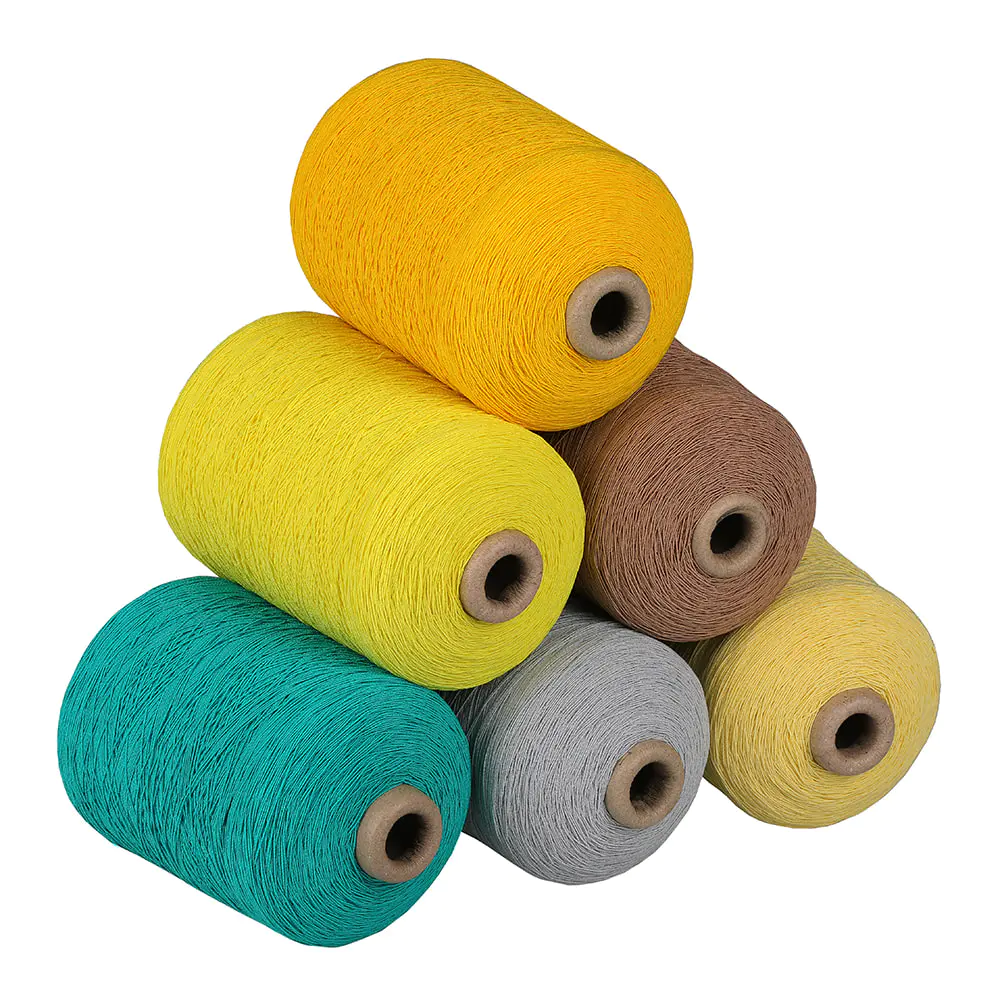
Understanding Latex Rubber Band Thread: Composition and Core Characteristics
At its core, Latex Rubber Band Thread is derived from natural rubber latex, a colloidal dispersion harvested from the Hevea brasiliensis tree. This organic origin provides the material with unique polymer chains that exhibit high elasticity. During the manufacturing process, the latex is vulcanized—a chemical process that converts the material into a more durable form by cross-linking polymer chains with sulfur. This transformation is what gives the thread its characteristic "memory," allowing it to return to its original shape after being stretched to multiples of its length.
Defining Natural Latex Elasticity
The defining feature of natural latex is its high modulus of elasticity. Unlike many synthetic alternatives, natural latex can typically stretch from 400% to 700% of its original length and still retract with significant force. This property is quantified as "modulus" in technical specifications, indicating the stress required to achieve a certain elongation. For industrial applications, a higher modulus often translates to a firmer, more secure hold in applications like binding or webbing.
The Manufacturing Process of Latex Thread
To produce thread suitable for industrial use, the latex is extruded through fine dies into continuous filaments. These filaments are then cured, often using a continuous vulcanization line that ensures uniform cross-linking throughout the cross-section. Advanced manufacturing techniques now allow for the production of thread that is free from surface imperfections, ensuring smooth operation on high-speed knitting and weaving machinery.
Latex Rubber Band Thread vs Synthetic Elastic: A Comparative Analysis
Engineers often face the decision between natural rubber and synthetic alternatives like spandex (elastane) or polyurethane. While synthetic materials offer specific benefits like chemical resistance, latex rubber band thread vs synthetic elastic remains a common debate regarding performance-to-cost ratio and environmental impact.
When evaluating latex rubber band thread vs synthetic elastic, natural latex generally offers higher elongation at break and a more rapid recovery force. However, synthetics typically outperform latex in resistance to oils, ozone, and UV exposure. The choice depends heavily on the operating environment of the final product.
Performance Differences: Stretch and Recovery
In applications requiring a "snappy" return, such as in elastic bands for diapers or medical collection devices, natural latex is often superior. Synthetic fibers can exhibit a "lag" in recovery or lower initial tension at the same elongation percentage.
Comparison: Natural Latex Thread vs. Synthetic Elastic (Spandex)
| Property | Natural Latex Thread | Synthetic Elastic (Spandex) |
| Maximum Elongation | High (typically 500% - 700%) | Moderate (typically 400% - 600%) |
| Tension Recovery | Rapid, high snap-back force | Smoother, but often lower initial tension |
| Heat Resistance | Sensitive to high heat degradation | Generally more heat resistant |
| Cost Efficiency | Generally lower raw material cost | Can be higher due to complex processing |
Durability and Environmental Resistance
While natural latex excels in mechanical performance, it is inherently susceptible to oxidation and degradation from UV light and ozone. Therefore, for outdoor applications, latex rubber band thread vs synthetic elastic analysis usually favors synthetics unless the latex is specifically treated with anti-ozonants and protective coatings.
Latex Elastic Thread for Garment Manufacturing: Essential Requirements
The textile industry is one of the largest consumers of elastic thread. In the context of latex elastic thread for garment manufacturing, the material must satisfy rigorous demands for comfort, dyeability, and compatibility with industrial sewing machines.
Compatibility with Knitting and Weaving Machinery
Modern textile machinery operates at high speeds, placing significant frictional stress on the thread. Latex elastic thread for garment manufacturing is typically coated with a lubricant or talc to reduce friction and static buildup during the knitting process. This ensures that the thread does not break or cause snags, which would result in costly downtime in a production facility. Furthermore, the thread must maintain consistent tension; variations in thickness (denier) can lead to puckering or gathering in the fabric.
Comfort and Breathability in Apparel
Apparel applications, such as waistbands, cuffs, and lingerie, benefit from the breathability of natural latex fibers. Unlike some impermeable synthetics, natural latex allows for some moisture vapor transmission, enhancing wearer comfort. This makes latex elastic thread for garment manufacturing a preferred choice for high-end underwear and activewear where skin contact is constant.
High Tensile Strength Latex Rubber Thread: Performance Metrics
For industrial applications beyond textiles, such as upholstery webbing or heavy-duty binding, the focus shifts to high tensile strength latex rubber thread. Tensile strength is the maximum stress that a material can withstand while being stretched or pulled before failing or breaking.
Market data indicates that as industrial machinery becomes more automated, the demand for materials that can withstand higher mechanical loads without failure is increasing. The industry is moving towards tighter tolerances on tensile specifications to ensure consistency in automated assembly lines.
Source: Industrial Fabrics Association International (IFAI) - Market Trends
Analyzing Break Strength and Elongation Rates
High tensile strength latex rubber thread is characterized by its ability to maintain integrity even under significant load. The relationship between tensile strength and elongation is inversely proportional in many compounded formulas; therefore, achieving a balance is key. Manufacturers often specify the "break load" in grams or Newtons. For instance, a thicker gauge thread might have a break load of 1500g, whereas a finer gauge intended for light stitching might be rated at 400g.
The Role of Tensile Strength in Heavy-Duty Applications
In applications like furniture webbing, the thread is subjected to continuous static load and cyclic dynamic stress. High tensile strength latex rubber thread ensures that the webbing does not sag over time. This property is crucial for B2B furniture manufacturers who warranty their products for structural integrity. The high tensile strength reduces the frequency of warranty claims and returns, directly impacting the bottom line.
Natural Latex Elastic Band Specifications: Selecting the Right Standard
Procuring the correct material requires a deep understanding of natural latex elastic band specifications. These specifications serve as the blueprint for production and the criteria for quality control (QC).
Understanding Gauges, Deniers, and Widths
When reviewing natural latex elastic band specifications, three primary dimensions are critical:
- Gauge/Diameter: Refers to the thickness of the thread, usually measured in millimeters or inches (e.g., 0.60mm, 0.80mm).
- Denier/Count: A unit of measurement for the linear mass density of the thread. A higher denier indicates a thicker, heavier thread.
- Width: For flat elastic tapes, the width is a key spec, but for round thread, the diameter is the defining factor.
Accurate specification of these parameters ensures that the thread performs as expected in the customer's specific machinery or end product.
Color Consistency and Surface Finish Options
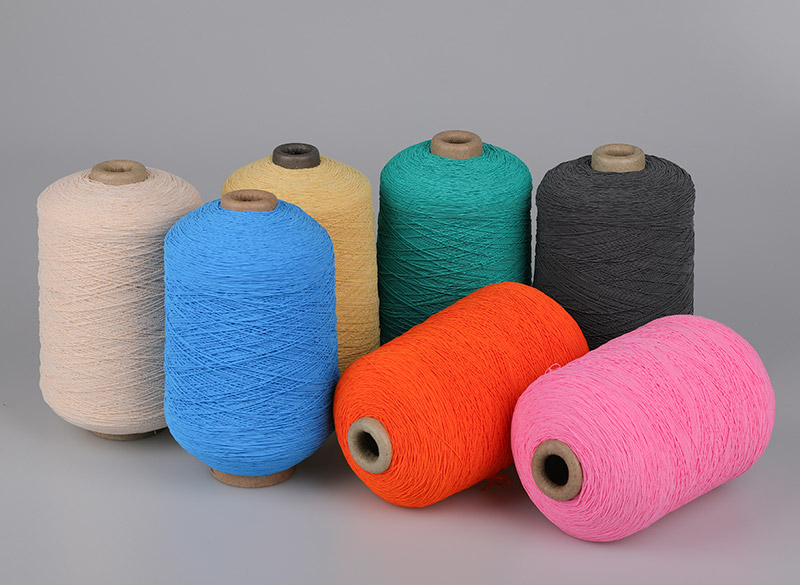
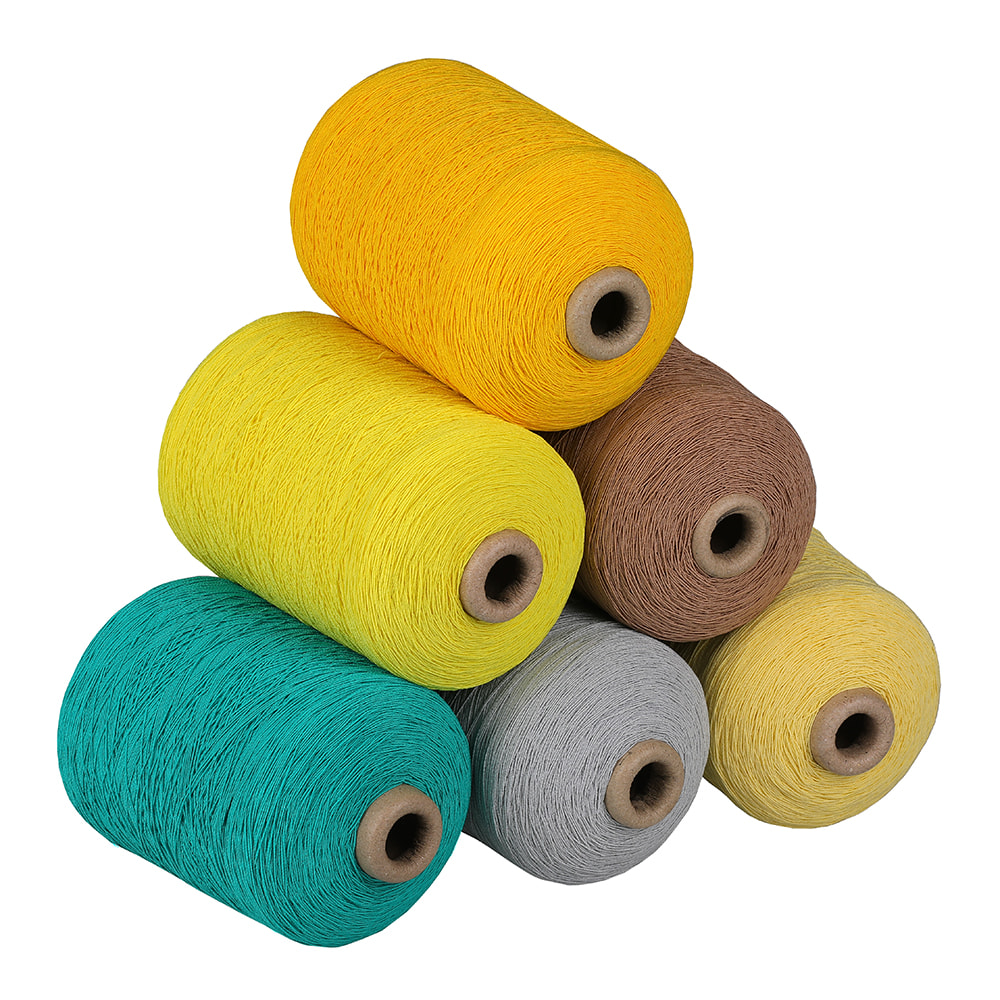
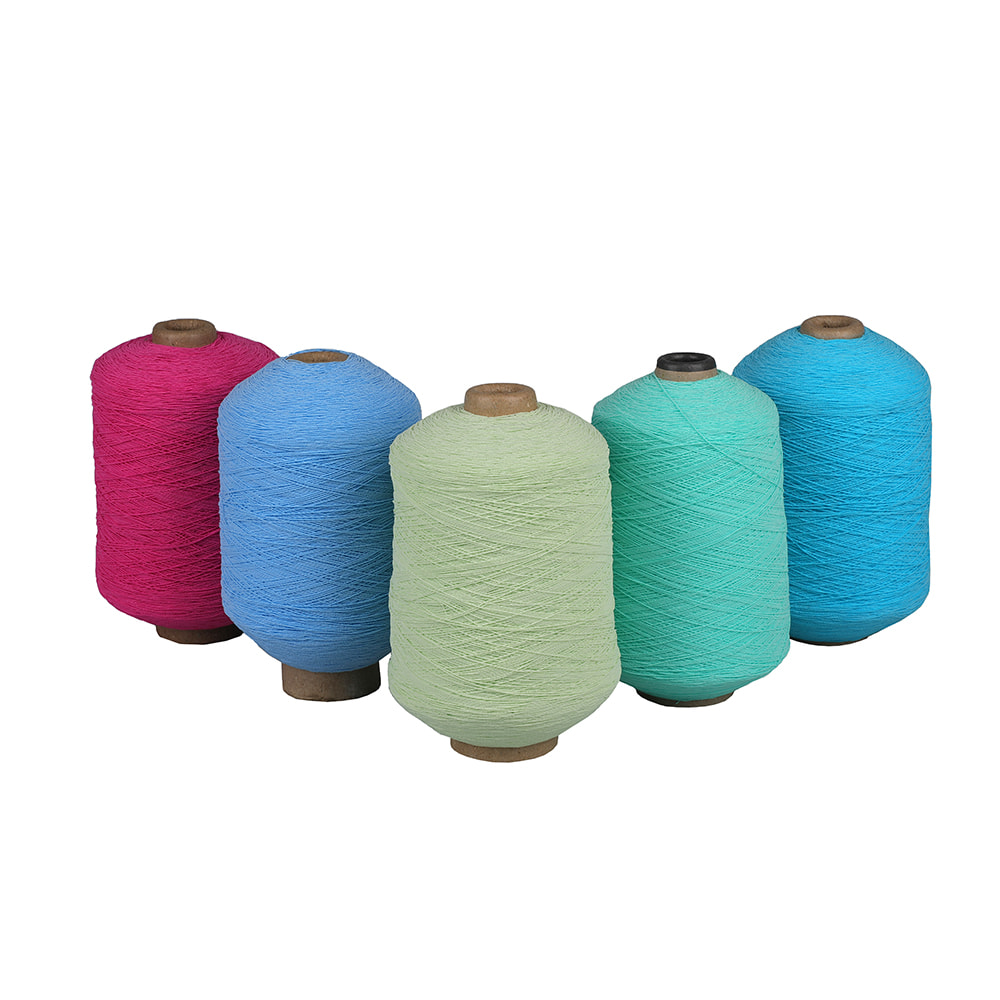
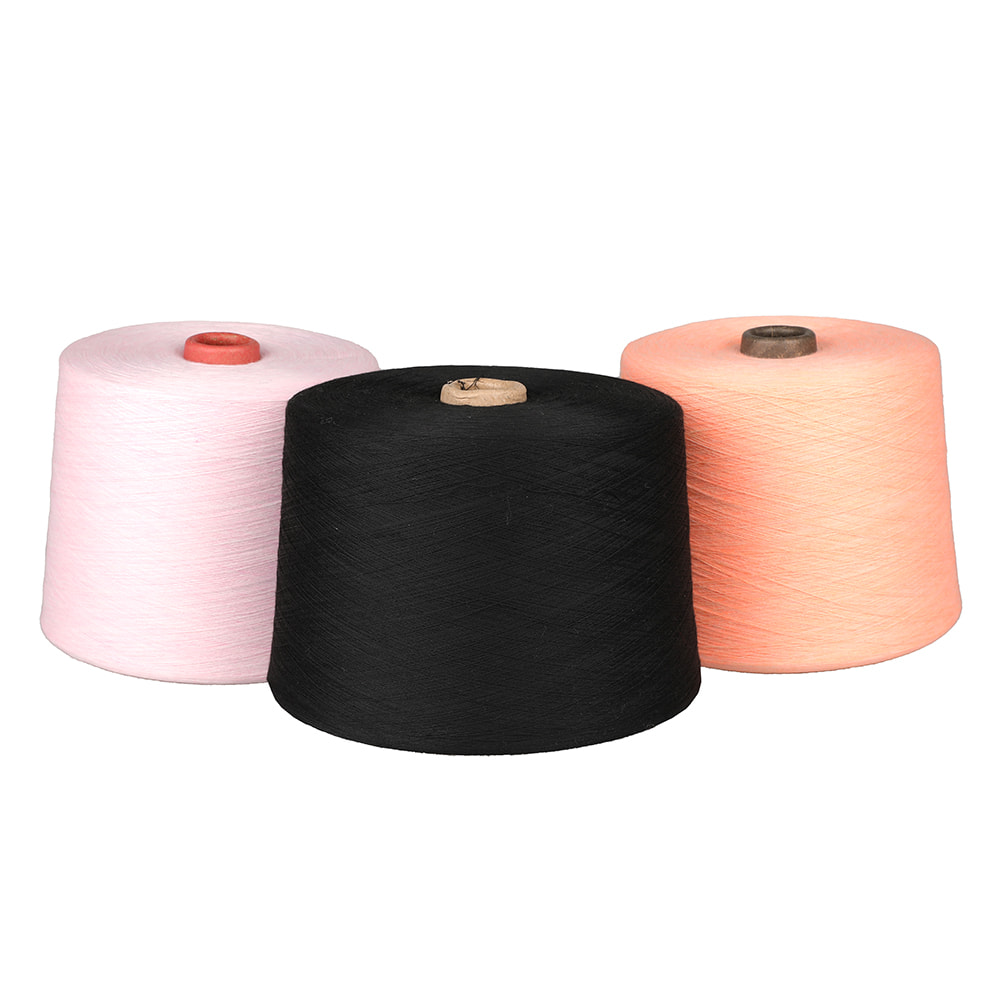
While natural latex is amber in color, natural latex elastic band specifications often include requirements for coloration. The thread can be produced in a variety of colors by incorporating pigments during the extrusion phase. Specifications must define the color fastness to ensure the thread does not bleed or fade during washing or exposure to light. Additionally, the surface finish—whether it is "dry" (high friction) or "polished" (low friction)—must be specified to match the handling requirements of the application.
Hypoallergenic Latex Rubber Thread Uses: Medical and Niche Markets
One of the growing areas of application is the medical sector, where hypoallergenic latex rubber thread uses are expanding due to the need for high-performance, skin-safe materials.
According to recent medical textile standards, there is a significant focus on reducing Type I latex allergies by improving the leaching process. Advanced centrifugation and washing processes can reduce the levels of water-soluble proteins (the primary cause of latex allergies) to below detectable levels, meeting stringent FDA and EU regulations for medical devices.
Source: U.S. Food and Drug Administration (FDA) - Latex in Medical Devices
Protein Removal Processes for Sensitive Skin
Standard latex contains proteins that can trigger allergic reactions in sensitive individuals. For hypoallergenic latex rubber thread uses, the material undergoes a rigorous leaching process. This involves washing the extruded thread multiple times to remove residual proteins and chemicals. The result is a "low-protein" latex that retains its mechanical properties while significantly reducing the risk of sensitization, making it safe for use in hospital bedding, compression garments, and physiotherapy bands.
Applications in Medical Devices and Hygiene Products
The primary hypoallergenic latex rubber thread uses include the elastic components in surgical masks, face shields, and medical gowns. The high elasticity ensures a secure fit for PPE, which is vital for infection control. Furthermore, in hygiene products like adult diapers and incontinence pads, the softness and strength of the thread provide comfort without compromising the structural integrity of the absorbent core.
Conclusion: Optimizing Your Industrial Sourcing Strategy
Selecting the right Latex Rubber Band Thread is a nuanced process that requires a thorough understanding of material science and application requirements. From the high tensile strength needed for industrial binding to the hypoallergenic properties required for medical textiles, the specifications must align perfectly with the end-use.
As a dedicated manufacturer, we are committed to providing products that meet these rigorous standards. By leveraging advanced processing techniques and adhering to international quality benchmarks, we ensure that our clients receive materials that enhance the performance and reliability of their products. Whether you are comparing latex rubber band thread vs synthetic elastic or specifying high tensile strength latex rubber thread, our technical team is ready to support your engineering and procurement teams with expert guidance.
Frequently Asked Questions (FAQ)
1. What is the typical shelf life of natural latex rubber thread?
Under proper storage conditions (cool, dry, and away from direct sunlight and ozone), natural latex rubber thread typically has a shelf life of 12 to 18 months. Aging can occur over time, characterized by a gradual loss of elasticity and surface tackiness.
2. Can latex rubber thread be dyed to match specific fabric colors?
Yes, latex rubber thread can be dyed during the manufacturing process by incorporating pigments into the latex compound. However, the color range is somewhat limited compared to textiles, and an exact match to every Pantone color may not always be achievable.
3. How does temperature affect the performance of latex elastic thread?
Latex is sensitive to temperature extremes. High temperatures can accelerate aging and degradation, while very low temperatures can cause the rubber to stiffen and lose its elastic properties. It is generally recommended for use between -40°C and 70°C (-40°F and 158°F).
4. Is latex rubber thread biodegradable?
Yes, because it is made from natural rubber sap, latex rubber thread is biodegradable. Unlike synthetic petroleum-based elastics, it will break down over time under the action of microorganisms, making it a more environmentally friendly option for certain applications.
5. What is the difference between "latex thread" and "elastic tape"?
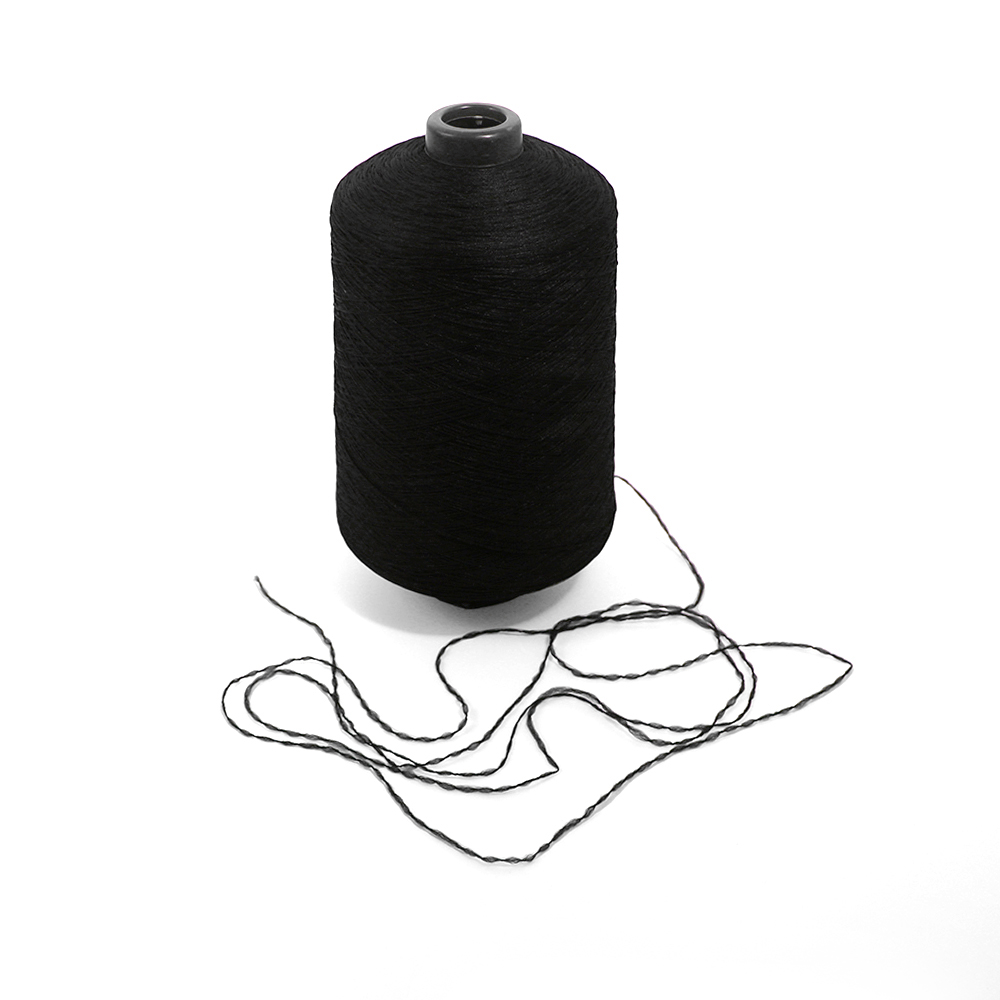
"Latex thread" generally refers to a single, round filament of latex. "Elastic tape" usually consists of latex threads covered with a fiber (cotton, polyester, nylon) or woven into a flat band structure. The thread is used as a component in knitting or weaving, while the tape is a finished ready-to-sew product.