English
 中文简体
中文简体 Español
Content
- 1 The Ultimate Guide to Colored Nylon Filament for 3D Printing
- 1.1 1. The Standard for Durability: High Strength Colored Nylon Filament
- 1.2 2. The Universal Diameter: Working with 1.75mm Colored Nylon Filament
- 1.3 3. Beyond Aesthetics: Choosing the Best Colored Nylon Filament for Functional Parts
- 1.4 4. The Material Showdown: Colored Nylon Filament vs PLA
- 1.5 5. Perfecting the Print: Using Colored Nylon Filament for 3D Printing
- 2 FAQ
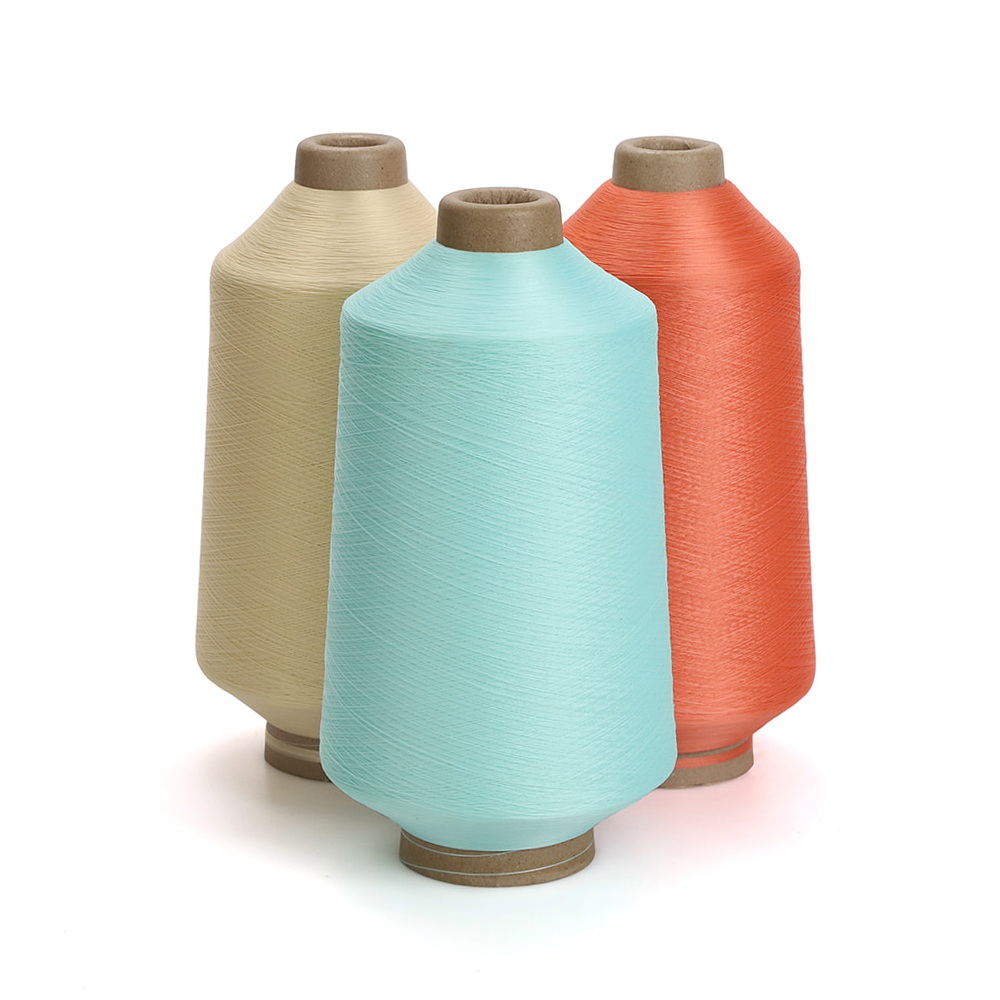
In the dynamic world of additive manufacturing, material choice is the cornerstone of turning a digital design into a functional, durable, and aesthetically pleasing object. Among engineering-grade thermoplastics, colored nylon filament occupies a unique and vital position. Moving beyond the realm of basic prototyping materials, nylon (Polyamide) offers an exceptional blend of tensile strength, impact resistance, flexibility, and resistance to heat and chemicals. When this robust material is combined with consistent, vibrant coloration, it unlocks new possibilities for creating end-use parts, custom tools, functional prototypes, and artistic creations that demand both performance and visual appeal. The journey from a simple plastic thread to a reliable finished part involves understanding its nuances—from selecting a true high strength colored nylon filament for demanding applications to mastering the print settings for the ubiquitous 1.75mm colored nylon filament. This guide is designed to navigate the key considerations for makers, engineers, and designers. We will explore how to identify the best colored nylon filament for functional parts, provide a clear breakdown of colored nylon filament vs PLA to inform your material selection, and delve into the practical knowledge required for successfully using colored nylon filament for 3D printing. By demystifying this advanced material, we aim to empower you to leverage its full potential, bridging the gap between digital design and real-world utility.
The Ultimate Guide to Colored Nylon Filament for 3D Printing
The appeal of colored nylon filament extends far beyond its visual characteristics. Nylon, as a polymer family, is renowned for its excellent layer adhesion, which is critical for producing isotropic parts where strength is consistent in all directions. This property, combined with its natural toughness and slight flexibility, makes it resistant to cracking under stress—a common failure point for more brittle materials. The coloration process itself is a feat of material science; quality filaments integrate masterbatch pigments or dyes at a molecular level during extrusion, ensuring color uniformity and stability without compromising the polymer's inherent mechanical properties. For users, this means the color is not just a coating but an intrinsic part of the material's structure. Success with nylon filament requires respect for its hygroscopic nature (it readily absorbs moisture from the air), necessitating proper storage and drying. Furthermore, optimal printing often involves a heated chamber or enclosure to prevent warping and ensure dimensional accuracy. Understanding these material behaviors is the first step toward consistently successful prints that are as strong and reliable as they are good-looking.
1. The Standard for Durability: High Strength Colored Nylon Filament
When a project calls for a part that can withstand force, impact, or constant use, not all filaments are equal. High strength colored nylon filament is engineered to prioritize tensile strength, layer adhesion, and durability above all else. The "high strength" designation typically refers to nylon variants like PA6, PA66, or composites like nylon-carbon fiber, which exhibit superior mechanical properties compared to standard blends. The strength comes from the long-chain polymer structure of nylon and the quality of the intermolecular bonds formed during the printing process. High-strength nylon filaments are indispensable for creating functional components such as gears, drone parts, custom jigs and fixtures, automotive components, and load-bearing prototypes. The integration of color into these high-performance materials is crucial for part identification, branding, or simply for creating professional-looking functional items where aesthetics still matter. It proves that practical engineering and visual design are not mutually exclusive.
- Key Properties: High tensile and yield strength, excellent impact resistance, good fatigue endurance, and strong interlayer bonding.
- Ideal Applications: Working gears, drone frames, mechanical brackets, functional hinges, and high-wear custom tools.
- Material Science Note: Some high-strength nylons are reinforced with micro-particles (like glass or carbon fiber) to increase stiffness and tensile strength further, though this can affect surface finish and require abrasive-resistant nozzles.
| Filament Type | Typical Tensile Strength | Key Advantage | Best For |
| Standard Nylon (PA6) | High | Good balance of strength, flexibility, and printability | General functional parts, wear-resistant items |
| High-Strength Nylon (e.g., PA66, CF Nylon) | Very High to Exceptional | Maximum load-bearing capacity and stiffness | Structural components, high-stress engineering prototypes |
2. The Universal Diameter: Working with 1.75mm Colored Nylon Filament
The 1.75mm colored nylon filament has become the de facto standard diameter for the vast majority of consumer and professional Fused Deposition Modeling (FDM) 3D printers. This standardization brings significant benefits to the user ecosystem. For printer manufacturers, it allows for the design of compact, precise extruder mechanisms that can handle the flexible yet sturdy nature of nylon. For users, it guarantees wide compatibility when sourcing materials from different suppliers. The 1.75mm diameter offers an excellent balance between feed reliability and the ability to achieve fine detail; it is stiff enough to be pushed through a Bowden tube without buckling but flexible enough to handle the tight bends in a direct drive system. Consistent diameter tolerance (typically +/- 0.05mm or better) is absolutely critical for nylon, as any variation can lead to under-extrusion, clogging, or inconsistent layer lines, directly impacting the strength and appearance of the final print.
- Why 1.75mm Dominates: Allows for smaller, lighter extruder assemblies, provides good surface detail resolution, and is supported by virtually all filament manufacturers.
- Tolerance is Key: Always check the diameter tolerance specification. High-quality filament ensures consistent diameter to prevent print artifacts and extruder jams.
- Printer Compatibility: While nearly universal, always verify your printer's specified filament diameter. The less common 2.85mm/3mm standard requires different hardware.
3. Beyond Aesthetics: Choosing the Best Colored Nylon Filament for Functional Parts
Selecting the best colored nylon filament for functional parts requires a shift in mindset from aesthetics-first to performance-first criteria. A "functional part" implies the printed object will be subjected to mechanical stress, environmental exposure, or repeated use. Therefore, the evaluation focuses on mechanical data, printing reliability, and material stability. Key questions to ask include: Does it have documented tensile strength and impact resistance values? How good is its layer adhesion (often reflected in Izod or Charpy impact test results)? Is it resistant to oils, chemicals, or UV light if needed? The color should be stable under these conditions—not fading or degrading. Furthermore, the filament should exhibit low warp and good dimensional stability during printing to ensure the part meets its intended tolerances. The best filament for functional use is one that delivers consistent, repeatable results print after print, where the color serves as a reliable identifier without being the primary selection driver.
- Performance Checklist: Review technical datasheets for tensile strength, elongation at break, heat deflection temperature, and moisture absorption rate.
- Reliability Factor: Look for filaments known for consistent diameter, low void content, and reliable spool winding to ensure trouble-free printing during long jobs.
- Color Integrity: The pigment should not affect printing temperature windows or cause nozzle clogging. Color should be uniform throughout the spool and across batches.
4. The Material Showdown: Colored Nylon Filament vs PLA
The choice between colored nylon filament vs PLA is one of the most fundamental decisions in 3D printing, representing a trade-off between ease of use and advanced performance. PLA (Polylactic Acid) is a biodegradable polyester derived from renewable resources like corn starch. It is celebrated for its ease of printing, low warp, pleasant smell, and wide availability in colors and effects. Nylon, a synthetic polyamide, is a petroleum-based engineering plastic. This origin difference defines their behavior: PLA is stiff and strong but relatively brittle, with poor heat and UV resistance. Nylon is tough, flexible, resistant to wear and chemicals, and can handle much higher temperatures. The decision matrix is clear: choose PLA for decorative models, prototypes where form is key, and quick, easy prints. Choose colored nylon filament when you need a part that is durable, flexible, heat-resistant, and will be used in a functional or demanding environment.
- PLA Pros: Very easy to print, no heated bed required, wide color selection, low cost, biodegradable under industrial conditions.
- Nylon Pros: High strength and toughness, excellent layer adhesion, good temperature and chemical resistance, durable for end-use parts.
- Decision Driver: If the part will experience stress, heat, impact, or outdoor exposure, nylon is the superior choice despite its more demanding printing requirements.
| Property | Colored PLA Filament | Colored Nylon Filament |
| Print Difficulty | Easy (Beginner-friendly) | Moderate to Difficult (Requires experience) |
| Strength & Toughness | Strong but Brittle | Very Strong and Tough (High impact resistance) |
| Heat Resistance | Low (~50-60°C) | High (~80-100°C+ for annealed parts) |
| Material Flexibility | Rigid | Semi-Flexible (Can withstand bending) |
| Moisture Sensitivity | Low | Very High (Must be kept dry) |
5. Perfecting the Print: Using Colored Nylon Filament for 3D Printing
Successfully using colored nylon filament for 3D printing requires attention to several critical parameters that differ from printing with PLA or ABS. First, filament drying is non-negotiable. Nylon absorbed moisture will steam and pop in the hotend, creating a porous, weak print with a poor surface finish. A dedicated filament dryer or food dehydrator is essential. Printer setup should include a all-metal hotend (PTFE liners degrade at nylon temperatures), a hardened steel nozzle if using abrasive composites, a heated bed (70-90°C), and ideally an enclosure to maintain a consistent ambient temperature and drastically reduce warping. Print settings typically involve a higher nozzle temperature (240-260°C for pure nylon), slower print speeds (40-60mm/s), minimal part cooling fan usage (if any), and a generous first layer squish for adhesion. Understanding and controlling these variables transforms nylon from a challenging material into a reliable and powerful tool in your 3D printing arsenal.
- Essential Pre-Print Step: Dry filament at 70-80°C for 4-8 hours before printing and store in a sealed container with desiccant.
- Printer Hardware: All-metal hotend, hardened nozzle (for composites), enclosed build chamber, and a reliable heated bed.
- Optimized Settings: High nozzle temp (~250°C), heated bed (~80°C), slow print speed, no fan for first layers & minimal after, use glue stick or PEI sheet for bed adhesion.
FAQ
Why is my colored nylon filament so stringy, and how do I fix it?
Stringing (or oozing) is a common challenge when using colored nylon filament for 3D printing due to its viscosity and printing temperature. Nylon remains molten and fluid at its printing temperature, so when the print head moves between points, it can dribble. To combat this, you need to optimize retraction settings. Increase your retraction distance and speed slightly compared to PLA settings. Additionally, ensure your filament is completely dry, as moisture vaporizing can exacerbate oozing. Fine-tuning the printing temperature to the lowest value that still provides good layer adhesion can also help. Using a faster travel speed and enabling features like "coasting" or "wipe" in your slicer can further reduce stringing. It often requires a combination of these adjustments to achieve clean results.
Can I paint or dye 3D prints made from colored nylon filament?
Yes, you can further finish prints made from colored nylon filament, but the methods differ from other plastics. Painting nylon requires a primer designed for polyamide plastics to ensure the paint adheres properly; standard primers may peel. For dyeing, natural-colored (undyed) nylon filament is ideal. Nylon is highly receptive to acid dyes, the same type used for synthetic fabrics. You can create vibrant, permanent colors by simmering the print in a dye bath with vinegar. This process allows the dye to penetrate the material, making it excellent for detailed parts where spray paint might fill fine features. However, if your part is already made from a deeply colored nylon filament, dyeing may not be effective, and painting with a proper primer is the better option.
Is nylon filament safe for food contact or medical applications?
Standard colored nylon filament is generally not considered safe for prolonged food contact or medical implants without specific certifications. While the nylon polymer itself may be inert, the colorants (pigments or dyes) and any additives used in the filament may not be food-safe. Furthermore, the 3D printing process creates microscopic layer lines and pores where bacteria can thrive, making thorough cleaning difficult. For food-contact applications, you must use a filament that is explicitly certified as food-safe by relevant authorities (like FDA compliance in the U.S.), and even then, it is often recommended for single-use or limited-contact items only. For any medical or skin-contact application, professional-grade, biocompatible resins are required, not standard FDM filaments.
What's the difference between nylon filament and PETG? Which is stronger?
This is a frequent comparison for functional parts. PETG is known for its ease of printing, chemical resistance, and clarity. In terms of strength, it depends on the type of strength. High strength colored nylon filament typically has higher toughness (impact resistance) and flexibility than PETG; it can bend and absorb energy without breaking. PETG is generally stiffer and has higher tensile strength in a brittle sense, but it is more likely to crack under sharp impact. Nylon also has better layer adhesion and heat resistance. PETG's advantages are easier printing (less hygroscopic, lower warp), better UV resistance for outdoor use, and inherent food safety grades for some brands. Choose nylon for parts needing high impact resistance, fatigue endurance, and flexibility. Choose PETG for stiff, chemically resistant parts that are easier to print.