English
 中文简体
中文简体 Español
Content
- 1 Understanding Hollow Polyester Filament
- 2 Key Applications and Benefits
- 3 About Zhuji Daxin Chemical Fiber Co., Ltd.
- 4 FAQ
- 4.1 What are the main benefits of using hollow polyester filament in bedding?
- 4.2 How does hollow conjugated siliconized fiber differ from regular fiber?
- 4.3 Is recycled polyester staple fiber as durable as virgin polyester?
- 4.4 What factors should be considered when choosing polyester staple fiber for pillows?
- 4.5 Can Zhuji Daxin provide customized colors for bulk orders?
Understanding Hollow Polyester Filament
In the rapidly evolving world of textile manufacturing, the choice of materials plays a pivotal role in determining the final quality, comfort, and performance of the end product. Among the myriad of options available, hollow polyester filament has emerged as a superior choice for manufacturers aiming to enhance the insulation and resilience of their fabrics. Unlike solid fibers, hollow filaments feature a unique structure that contains trapped air within the fiber, mimicking the insulating properties of natural fur or down. This characteristic makes it an ideal candidate for thermal wear, bedding, and high-performance outdoor gear. The inherent design of this filament allows it to provide exceptional warmth without the added weight, a crucial factor in modern textile engineering where performance and comfort must coexist. As the industry shifts towards materials that offer both functionality and sustainability, understanding the technical advantages of hollow polyester becomes essential for any textile business looking to maintain a competitive edge.
- Features a unique tubular structure that traps air for superior insulation.
- Provides high warmth-to-weight ratio compared to solid fibers.
- Offers excellent resilience and recovery after compression.
- Mimics the softness and bulkiness of natural down.
- Ideal for a wide range of applications from bedding to outerwear.
What is Hollow Polyester Filament?
To fully appreciate the value of this material, one must understand its structural composition. Hollow polyester filament is produced through a specialized extrusion process that creates a void or hollow channel running through the center of each fiber strand. This architectural design is not merely a cosmetic feature but a functional enhancement that significantly alters the physical properties of the fiber. The hollow space acts as an insulator, trapping body heat within the fabric, while the polyester outer shell ensures durability and moisture resistance. This combination results in a textile material that is lightweight, warm, and capable of retaining its loft over extended periods of use. Furthermore, the smooth surface of the filament reduces friction between fibers, contributing to the softness of the final woven or knitted fabric.
- Produced by extruding polyester with a central void or multiple holes.
- Traps air to create a thermal barrier against cold environments.
- Combines the durability of synthetic fiber with the loft of natural fibers.
- Resistant to moisture, mold, and mildew, ensuring longevity.
- Maintains structural integrity even after repeated washing.
Key Characteristics of Hollow Fiber Filling Material
When used as a filling material, the performance metrics are critical for manufacturers. The hollow fiber filling material is renowned for its ability to maintain bulkiness and recover its original shape after being compressed. This resilience, often referred to as "loft," is what makes high-quality pillows and upholstery retain their plush feel over time. The crimped nature of the fibers helps them interlock, creating a stable, fluffy matrix that resists settling. Additionally, because the fibers are synthetic, they can be engineered to specific deniers and lengths, allowing for precise customization of the filling's firmness and density. This level of control enables manufacturers to tailor their products to specific market needs, from soft, cloud-like pillows to firm, supportive cushions.
| Characteristic | Benefit | Application |
| High Resilience | Recovers shape after compression | Pillows, Cushions |
| Thermal Insulation | Traps air for warmth | Winter Clothing, Sleeping Bags |
| Lightweight | Reduces overall product weight | Outdoor Gear, Travel Accessories |
| Hypoallergenic | Resistant to dust mites and allergens | Bedding, Medical Textiles |
Comparing Solid vs. Hollow Fibers
A frequent point of discussion in the industry is the comparison between solid and hollow variants. While solid fibers are often stronger and more durable due to their greater mass per filament, they lack the insulating properties of hollow fibers. The following table illustrates the key differences that influence the decision-making process for textile engineers.
| Feature | Solid Polyester Fiber | Hollow Polyester Filament |
| Structure | Solid cross-section | Contains one or more voids |
| Weight | Heavier for same volume | Lighter and airier |
| Insulation | Moderate | High (due to trapped air) |
| Warmth | Standard | Superior (up to 20-30% warmer) |
| Cost | Generally lower | Slightly higher due to processing |
Key Applications and Benefits
The versatility of synthetic fibers has revolutionized multiple sectors within the textile industry, but specific variants offer distinct advantages for particular uses. One of the most significant developments in recent years is the refinement of hollow conjugated siliconized fiber. This material takes the benefits of hollow construction and enhances them with a siliconized coating, which gives the fiber a slick, silky feel. This coating reduces fiber friction, allowing the fill to glide past itself easily. This property is crucial for applications requiring softness and drape, such as in the manufacturing of premium plush toys, high-end apparel, and luxurious bedding. The conjugated shape (often spiral or crimped) ensures that the fibers interlock efficiently, preventing the filling from shifting or matting, which is a common issue with lower-quality fillers. Consequently, products made with this material offer a longer lifespan and sustained comfort, making them a preferred choice for quality-conscious manufacturers.
- Siliconized coating provides a soft, smooth, and silky hand feel.
- Conjugated spiral shape ensures excellent fiber interlocking.
- Prevents bunching and shifting in finished products.
- Enhances the durability and washability of textiles.
- Widely used in premium bedding and winter apparel.
The Role of Hollow Conjugated Siliconized Fiber
In the realm of technical textiles, hollow conjugated siliconized fiber stands out as a specialized solution designed for comfort and performance. The conjugation refers to the helical or 3D crimp engineered into the fiber, which acts like a tiny spring, providing bounce and bulk. The siliconization process adds a lubricating layer to the fiber surface. This combination is particularly effective in applications where the fiber needs to be compressed and then expanded, such as in sleeping bags or upholstery. The "hollow" aspect continues to provide thermal efficiency, while the "siliconized" aspect ensures that the filling remains soft to the touch, avoiding the scratchy feel associated with untreated polyester.
- Engineered 3D crimp provides superior bulk and spring-back.
- Silicone treatment enhances softness and comfort.
- Optimal for maintaining loft in compressed products.
- Provides a "down-like" feel without the allergens.
Using Polyester Staple Fiber for Pillows and Bedding
The bedding industry relies heavily on fillers that offer both comfort and support, making polyester staple fiber for pillows a staple material. When selecting fiber for bedding, manufacturers must consider factors such as firmness, loft, and durability. Staple fibers, cut into short lengths, can be carded and opened to create a consistent web of fibers that trap air effectively. For pillows, the density and cross-section of the fiber determine whether the final product is soft, medium, or firm. Hollow fibers are particularly favored for pillows because they provide a breathable filling that does not retain heat excessively, promoting a cooler sleeping environment. Furthermore, these fibers are washable and dryable, a significant practical advantage over natural fillings like down, which require specialized care.
| Fiber Type | Firmness Level | Best Use Case |
| Hollow Conjugated Siliconized | Soft to Medium | Pillows, Duvets, Plush Toys |
| Solid Siliconized | Medium to Firm | Support Pillows, Cushions |
| Recycled Hollow Fiber | Variable | Eco-friendly Bedding, Quilts |
| High Denier Hollow | Firm | Back Supports, Heavy Upholstery |
Sustainable Solutions with Recycled Polyester Staple Fiber
As sustainability becomes a central theme in global manufacturing, the demand for recycled polyester staple fiber has surged. This fiber is produced by melting down post-consumer plastic bottles (PET) and re-spinning the polymer into new fibers. Using recycled content reduces the reliance on virgin petroleum and diverts plastic waste from landfills. Technological advancements have ensured that recycled polyester now matches the quality and performance of virgin polyester. It is now possible to produce high-quality hollow fibers from recycled sources, allowing manufacturers to create eco-friendly thermal insulation and filling materials without compromising on performance. This shift aligns with the growing consumer preference for environmentally responsible products and helps brands meet their corporate sustainability goals.
- Reduces dependency on fossil fuels for raw materials.
- Diverts plastic waste from oceans and landfills.
- Available in high-quality hollow and conjugated configurations.
- Meets strict global standards for safety and quality.
- Allows brands to claim recycled content certification.
About Zhuji Daxin Chemical Fiber Co., Ltd.
A Leader in Textile Raw Materials
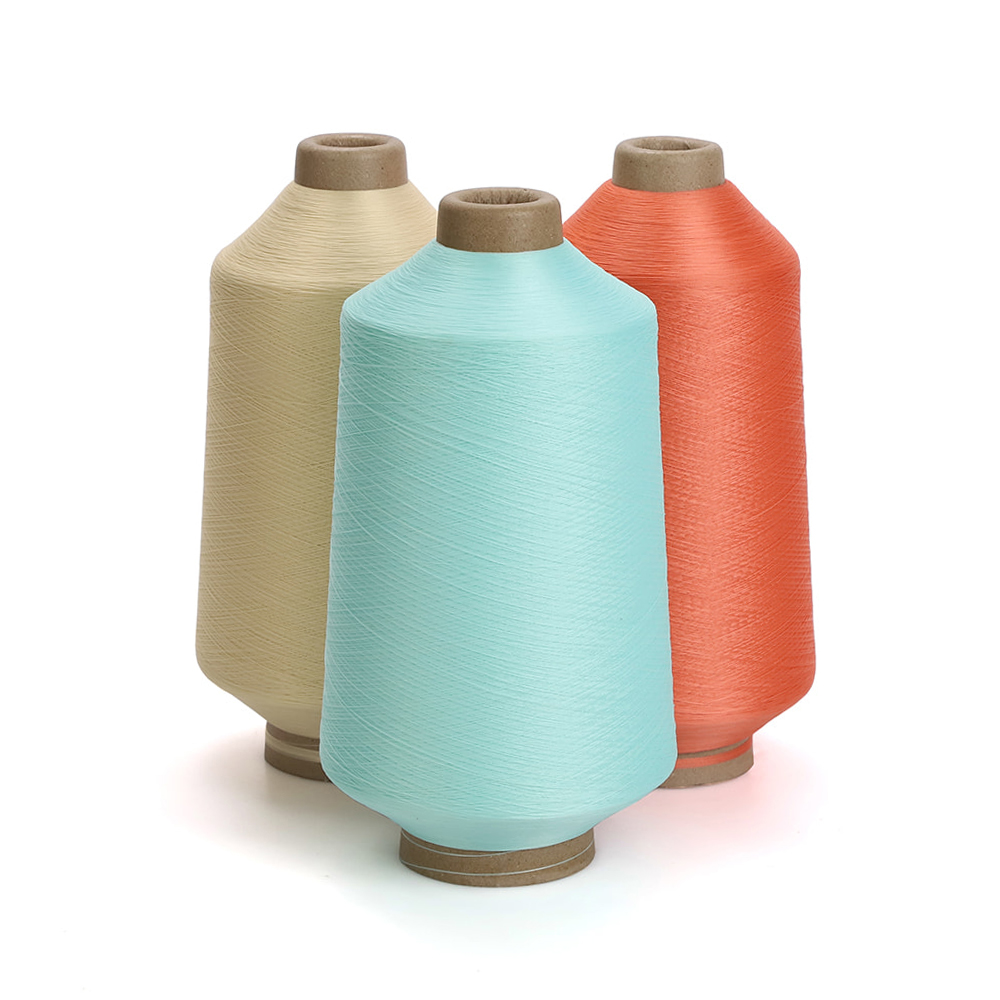
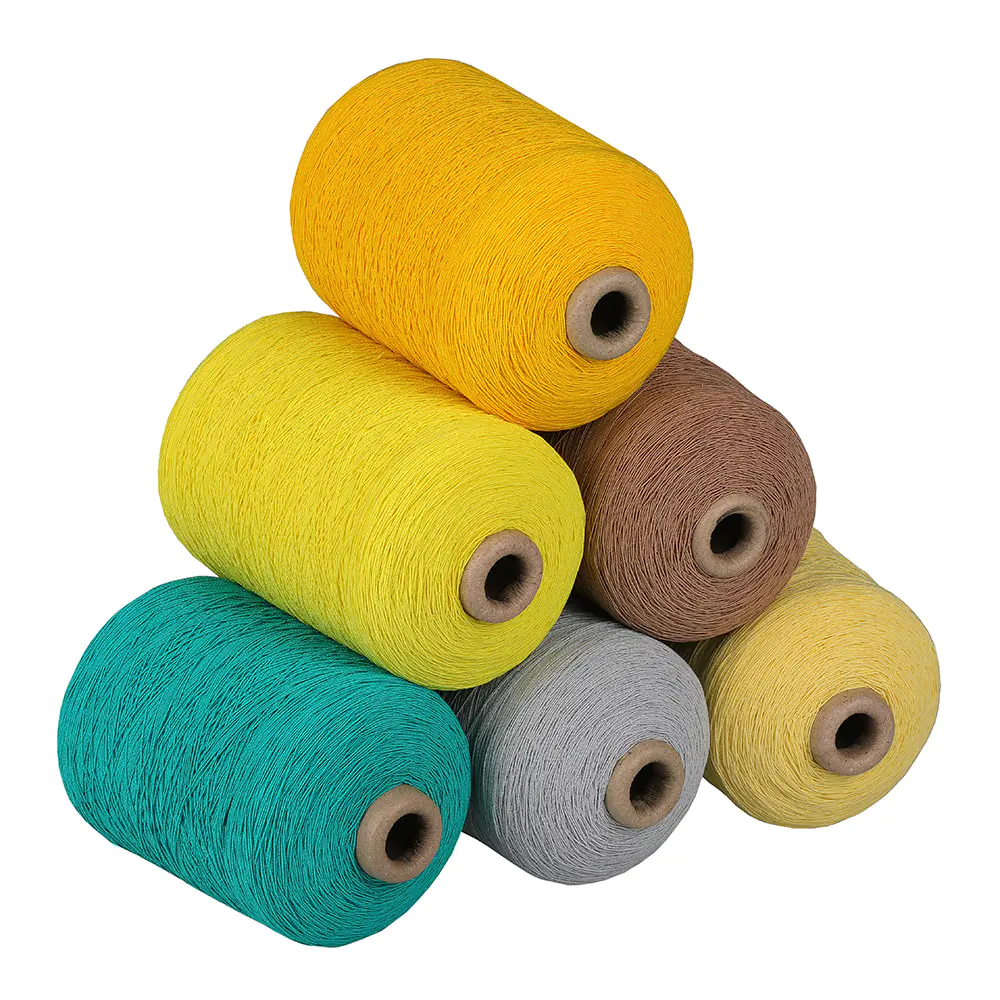
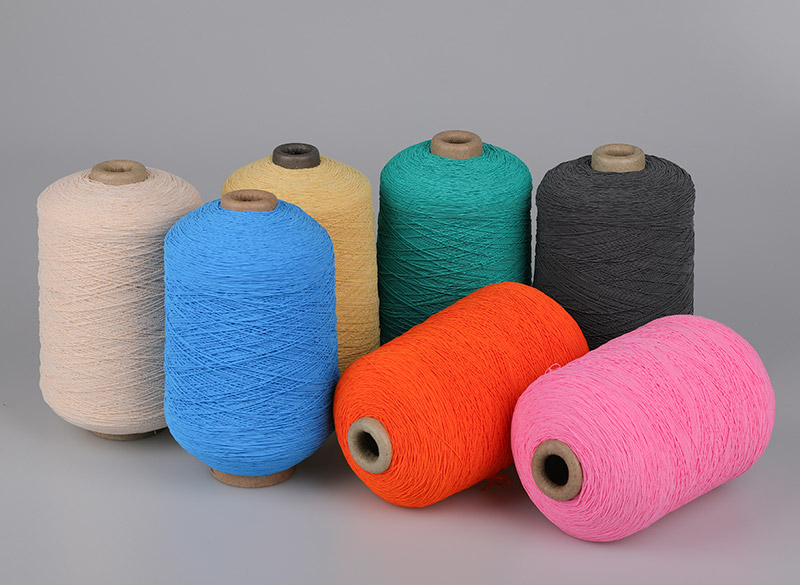
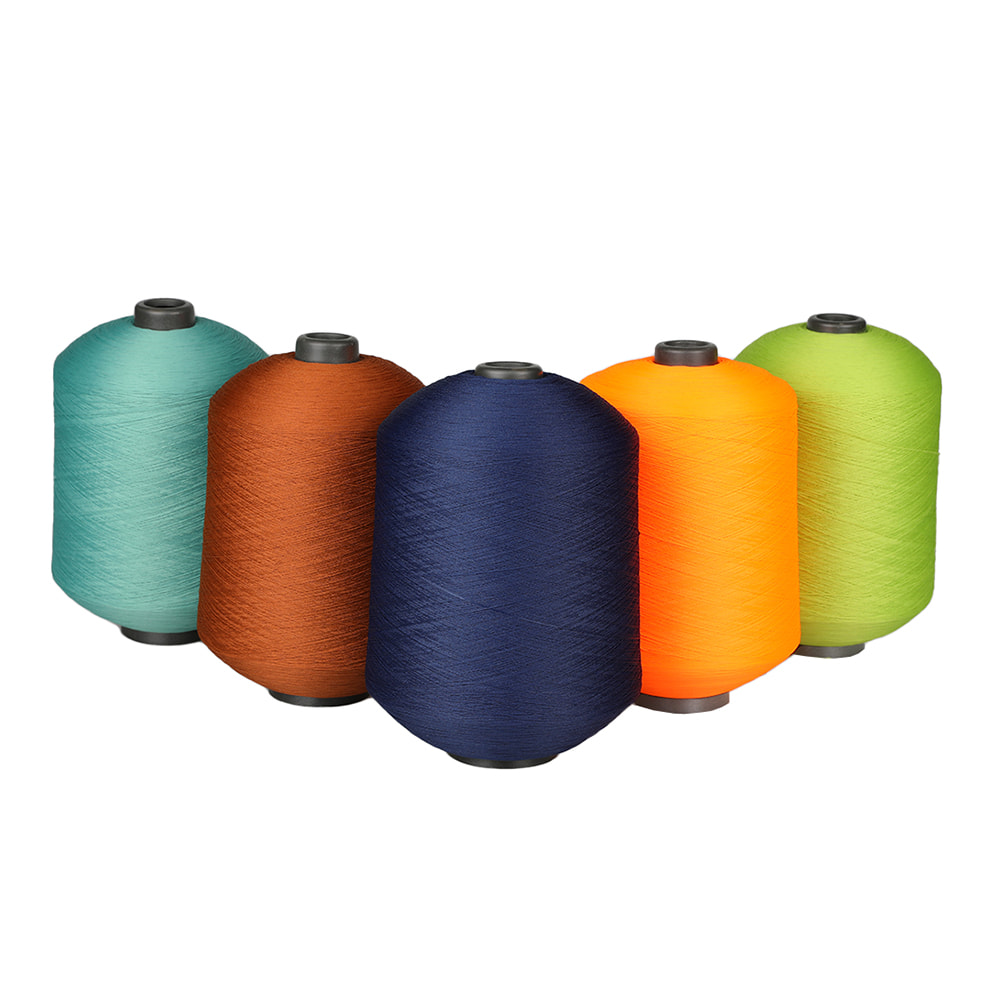
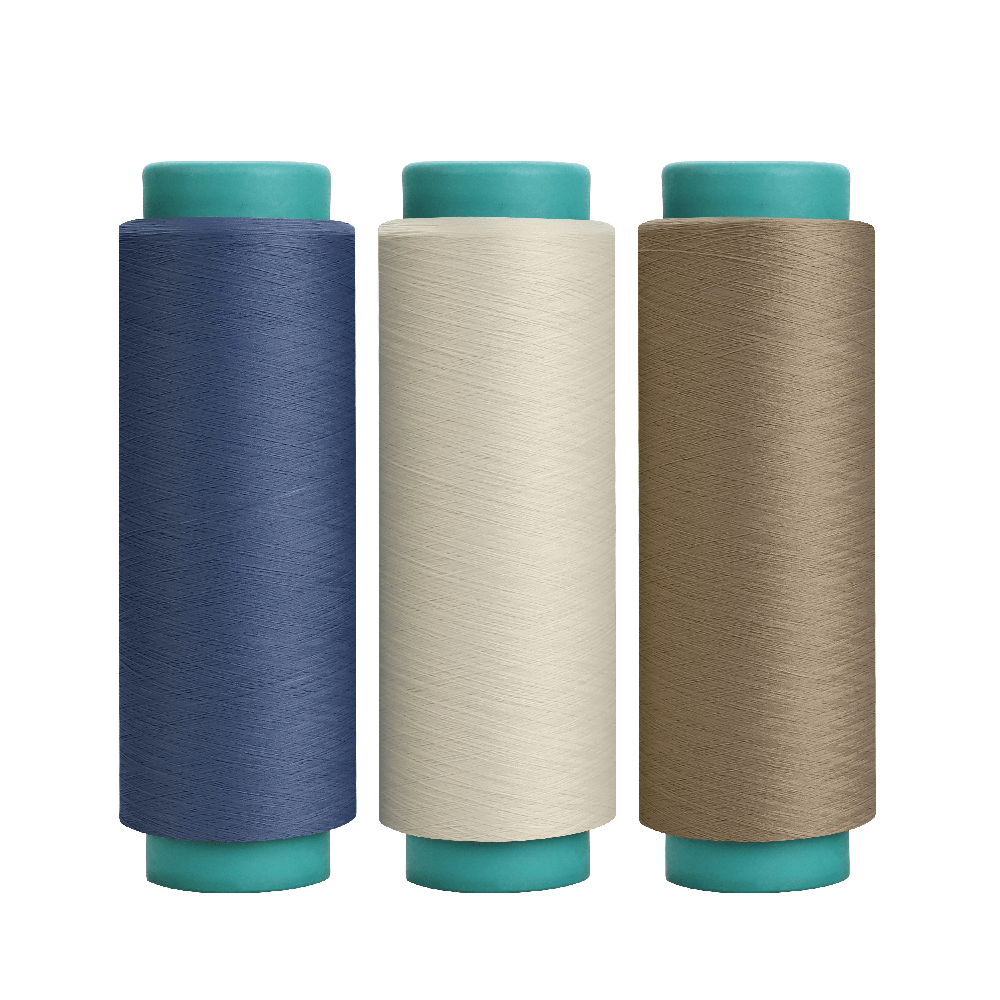
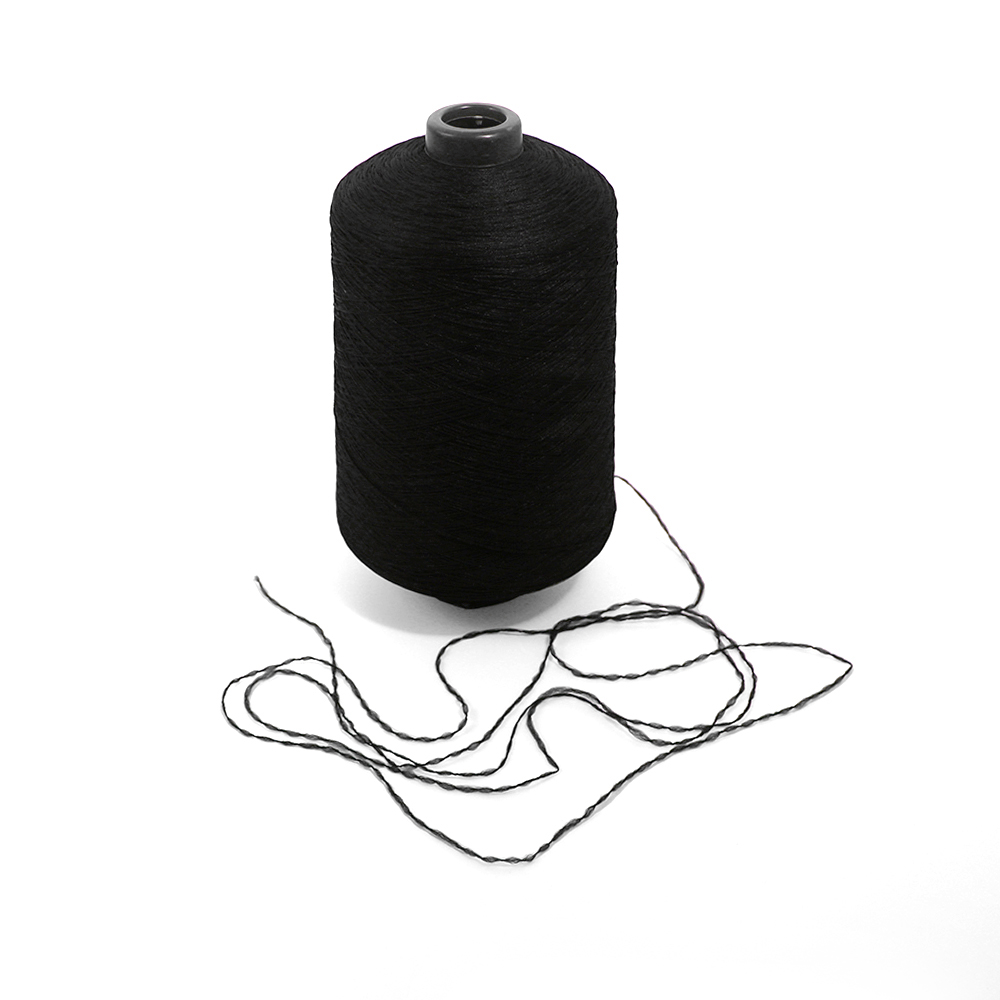
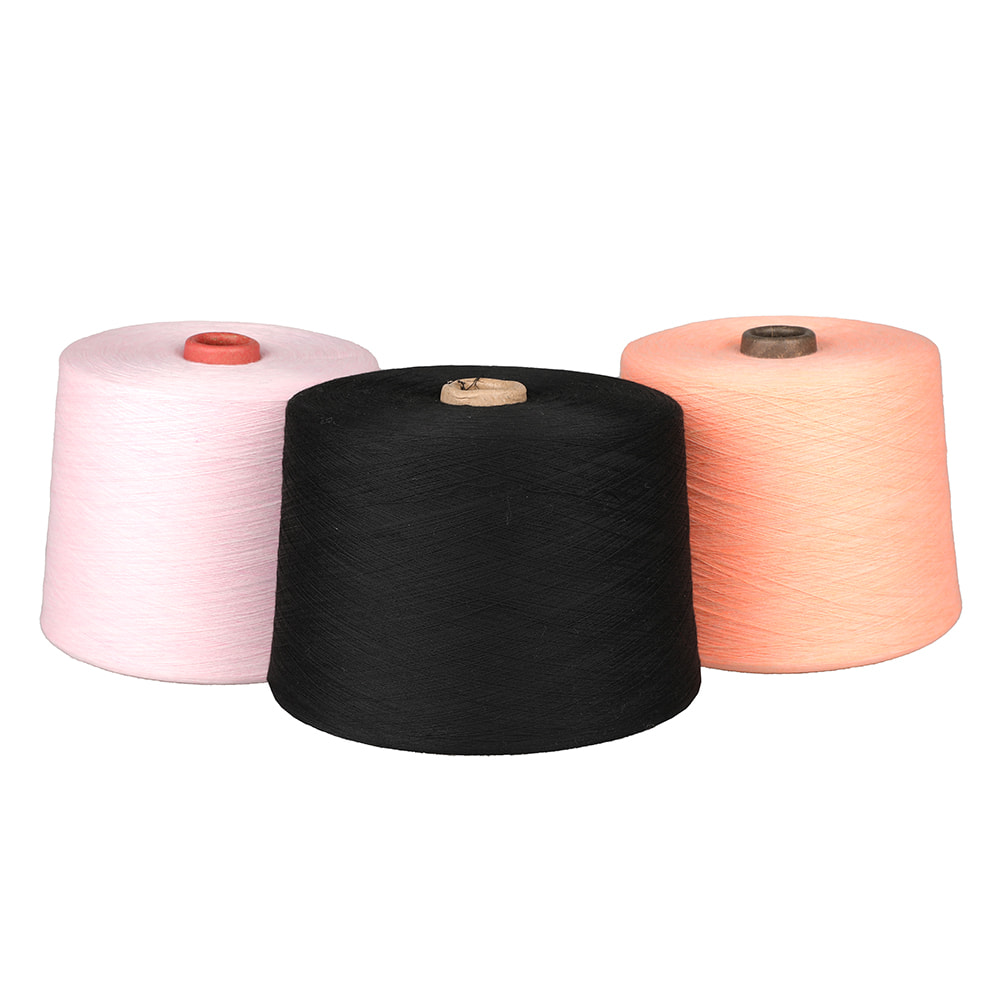
Zhuji Daxin Chemical Fiber Co., Ltd. has established itself as a prominent player in the synthetic fiber sector since its inception in 2011. Founded in 2011, specializing in the production and sales of colored yarn, the products are color masterbatch, polyester POY filament, nylon high elastic yarn, imitation nylon high elastic yarn, DTY high elastic yarn, polyester high elastic yarn, polyester covered yarn, polyester sewing thread, polyester hot melt yarn, rubber thread, metal yarn, diamond flash yarn and other textile raw materials. The company's extensive product portfolio caters to diverse industrial needs, ensuring that clients can source all their requirements from a single, reliable partner. By focusing on both standard and specialized yarns, the company supports a wide array of downstream applications, from basic garment manufacturing to complex technical textiles.
- Founded in 2011 with over a decade of industry experience.
- Offers a comprehensive range of yarns including POY, DTY, and covered yarns.
- Produces specialized yarns like hot melt and metallic yarns.
- Acts as a one-stop solution for textile raw materials.
Production Capacity and Quality Commitment
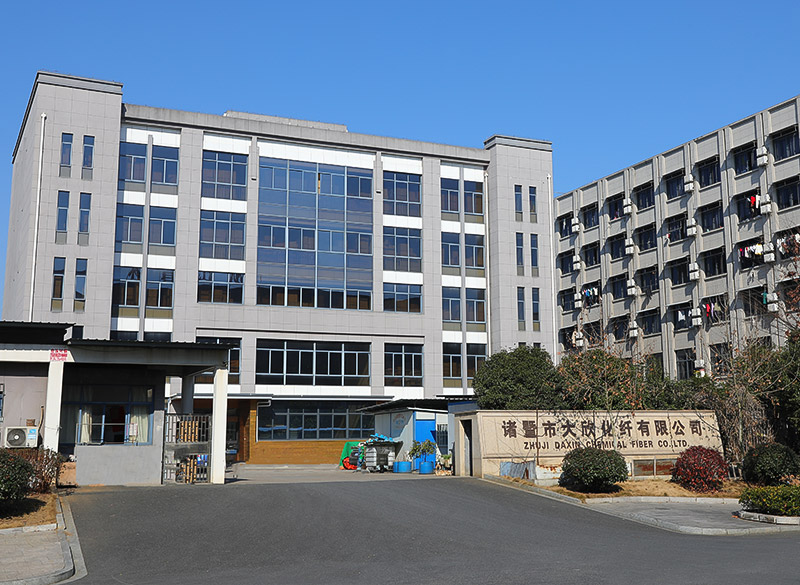
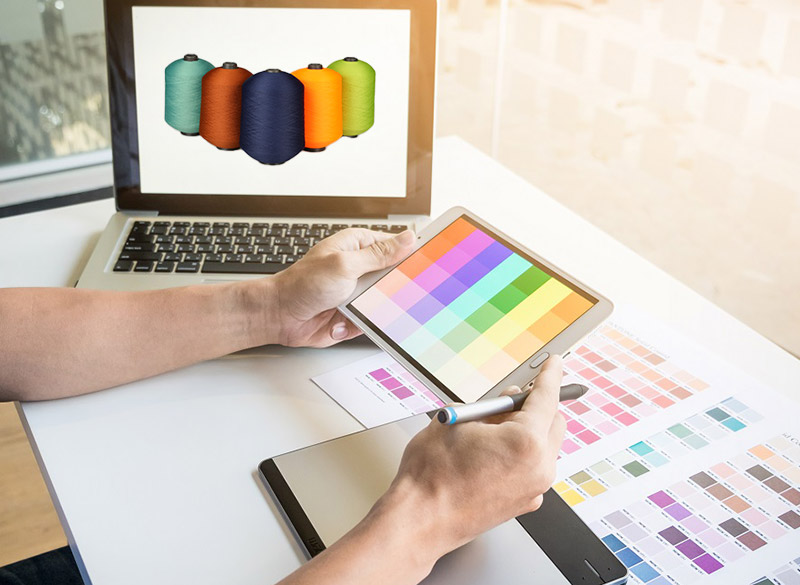
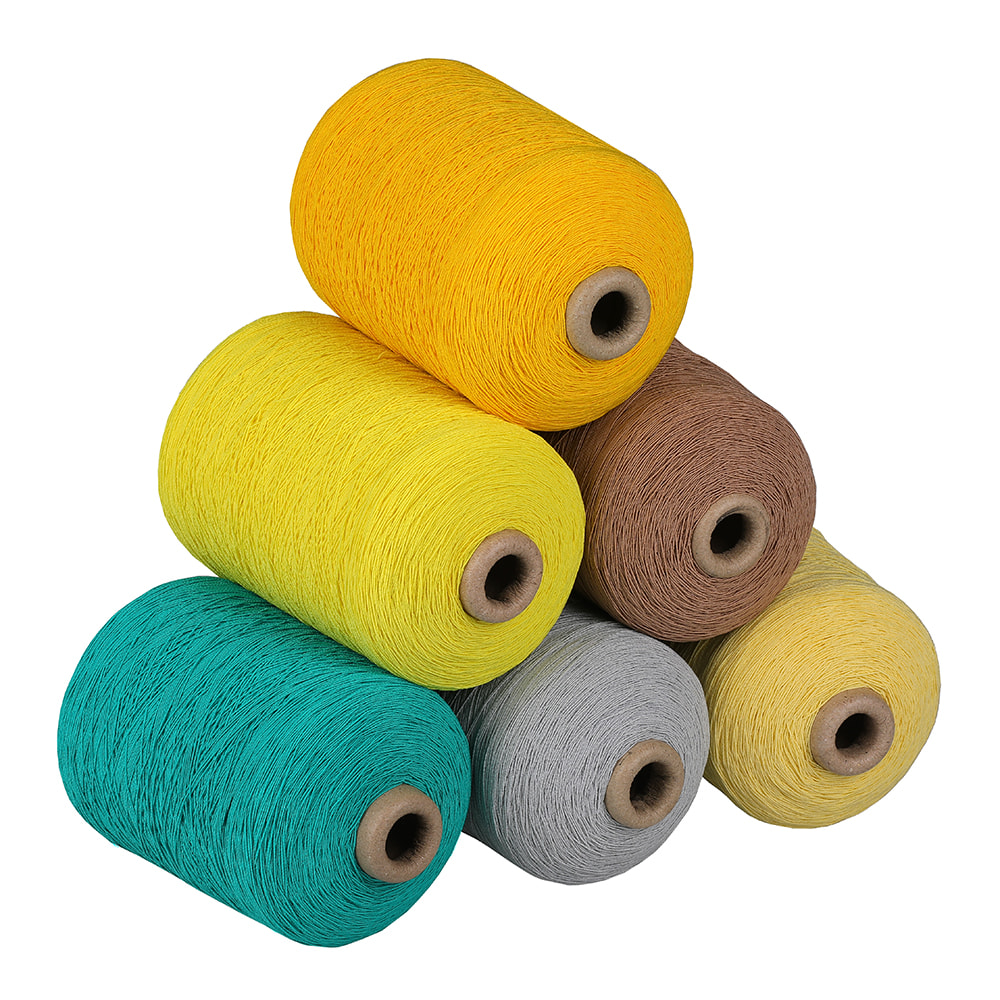
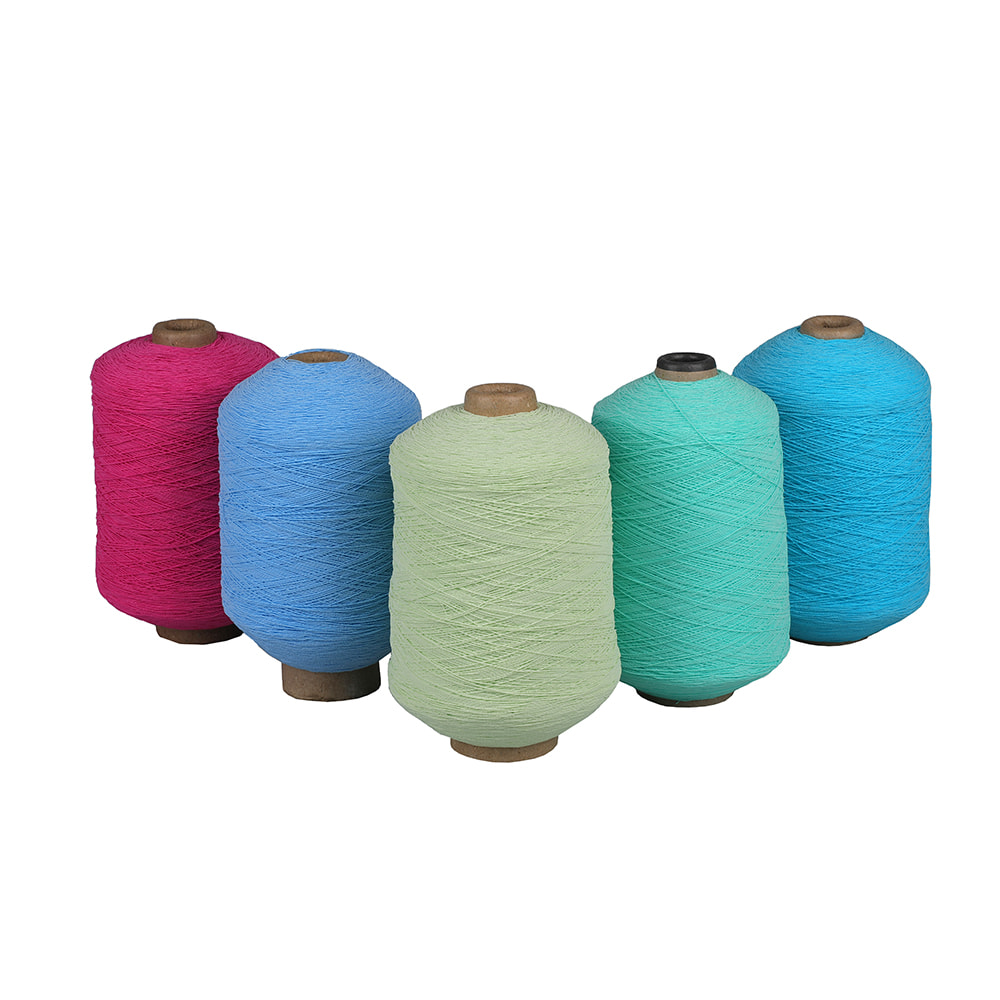
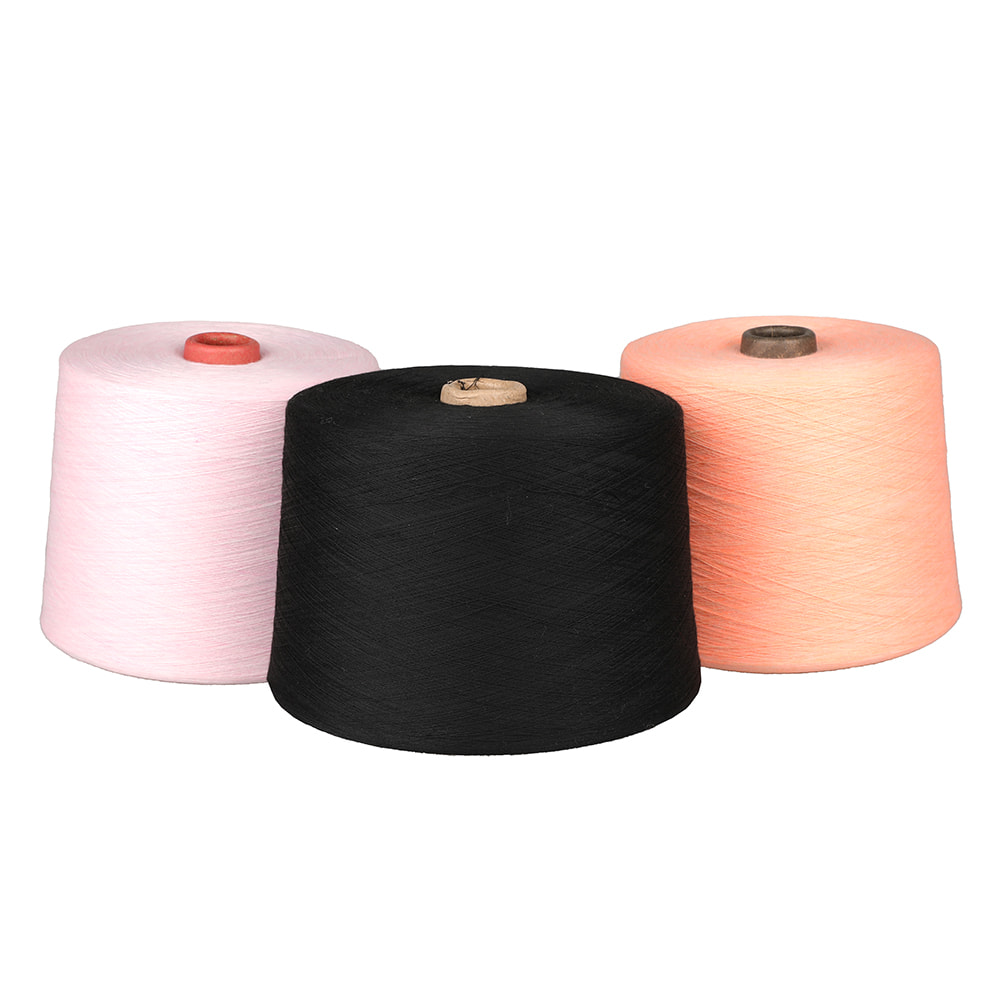
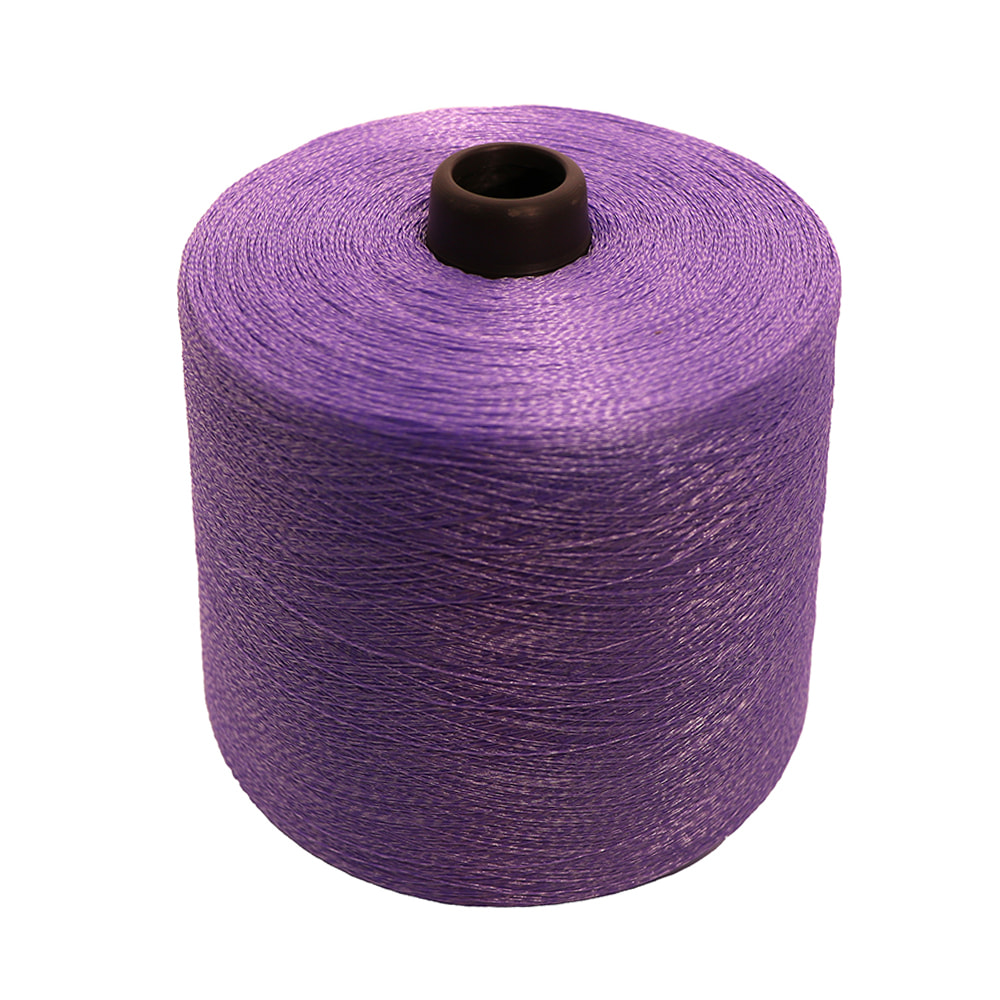
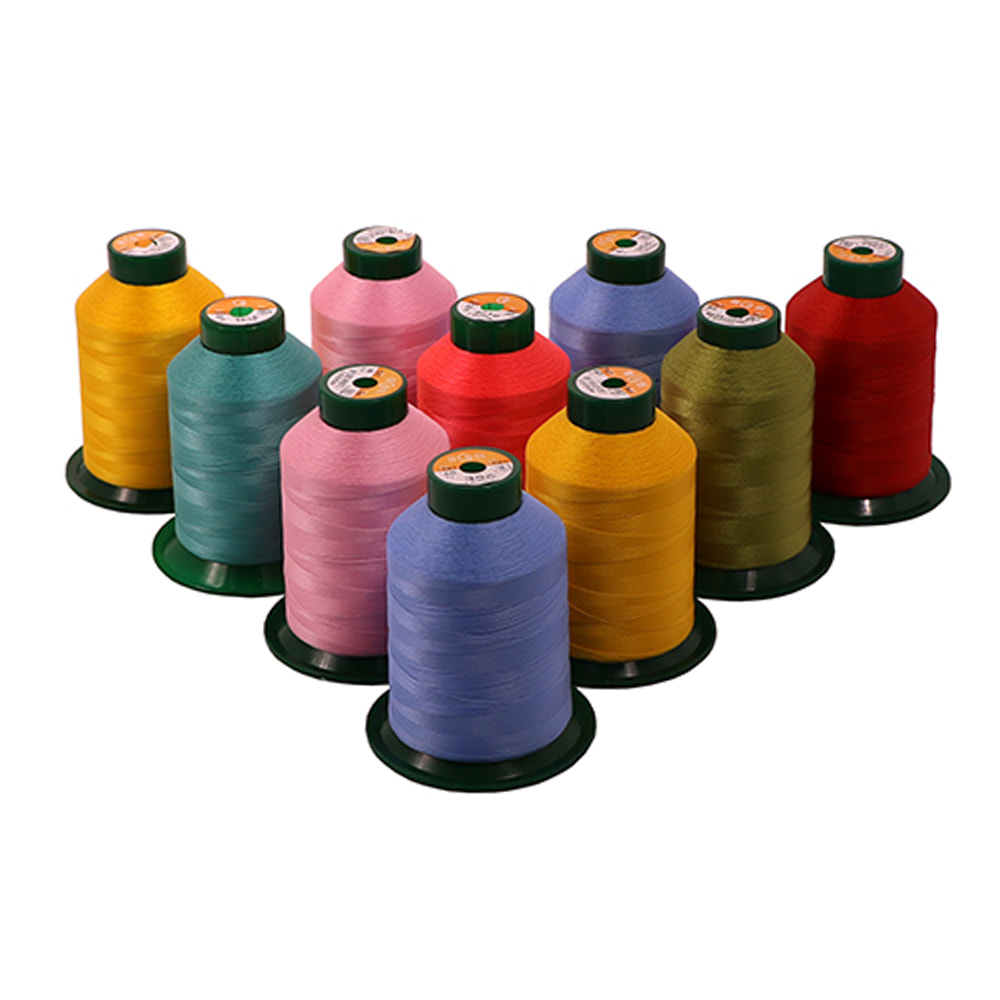
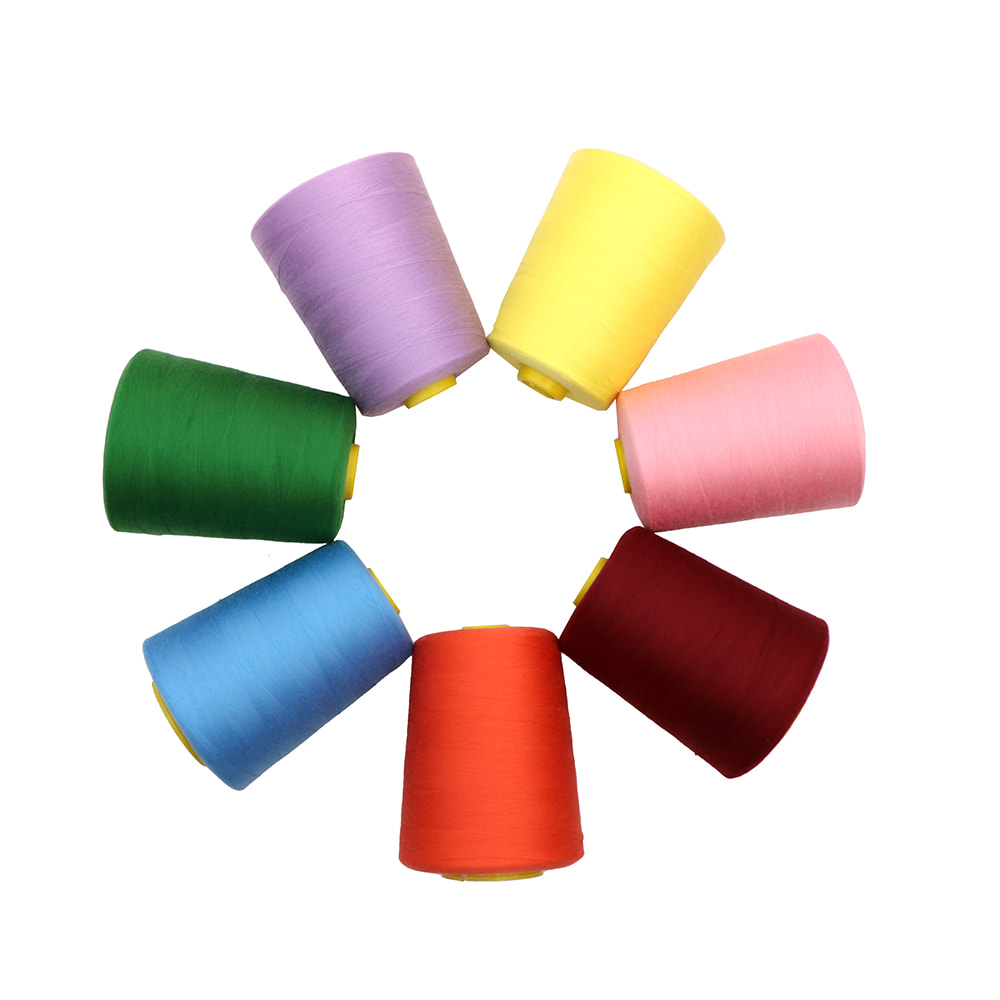
The company's operational excellence is rooted in its massive infrastructure and commitment to quality. Located in Zhuji City, Zhejiang Province, China, covering an area of more than 50,000 square meters, with a variety of advanced production equipment, a daily output of more than 100 tons, there are more than 2,000 kinds of color spot, for customers to choose. The sheer scale of production, exceeding 100 tons daily, allows the company to handle large-scale orders while maintaining consistency. Furthermore, the availability of over 2,000 color spots provides designers and manufacturers with unparalleled flexibility in color matching. The company has always been adhering to the product quality as the center, product innovation as the fundamental business philosophy, so that the company in the chemical fiber industry enjoy a high reputation. This reputation is built on rigorous quality control measures and a continuous drive to improve production techniques.
| Specification | Capacity/Feature | Client Benefit |
| Factory Area | Over 50,000 sqm | Large-scale production capability |
| Daily Output | More than 100 tons | Reliable supply chain for bulk orders |
| Color Options | More than 2,000 kinds | Extensive customization and design freedom |
| Business Philosophy | Quality & Innovation Centered | High-reputation, reliable partnership |
Global Reach and Industry Partnerships
The influence of Zhuji Daxin extends far beyond its local manufacturing base, serving a global clientele with distinction. The industrial chain is distributed in Europe, America, Southeast Asia, Asia, and other countries and regions. It is mainly used as raw material for many kinds of fabrics such as socks, ribbons, flying shoe uppers, woolen sweaters, sportswear, and elastic fabric. This diverse application base demonstrates the versatility of their fibers. The company has become the partner of many well-known sock enterprises, shoe enterprises and textile enterprises, and has been praised by the majority of partners. By aligning its production capabilities with the needs of major industries, the company ensures that it remains at the forefront of textile innovation, constantly adapting to new trends and demands in the global market.
- Exports to Europe, America, Southeast Asia, and Asia.
- Key supplier for sock and shoe manufacturing industries.
- Provides raw materials for sportswear and elastic fabrics.
- Maintains strong, long-term partnerships with well-known enterprises.
FAQ
What are the main benefits of using hollow polyester filament in bedding?
Hollow polyester filament offers significant advantages in bedding due to its insulating properties. The hollow spaces within the fibers trap air, providing excellent warmth while remaining lightweight. Additionally, the fibers are highly resilient, meaning bedding retains its loft and shape over time, and they are hypoallergenic, resisting dust mites and allergens compared to natural fillings.
How does hollow conjugated siliconized fiber differ from regular fiber?
Hollow conjugated siliconized fiber differs from regular fiber in both structure and coating. It has a spiral crimp (conjugated) that adds bounce and bulk, and it is coated with silicone to make it slick and soft. This results in a filling that feels much like down—silky to the touch and highly compressible—whereas regular fiber may feel coarser and less resilient.
Is recycled polyester staple fiber as durable as virgin polyester?
Yes, modern recycled polyester staple fiber is virtually identical to virgin polyester in terms of durability and performance. Advanced recycling technologies clean and process the PET flakes thoroughly, removing impurities. This results in a fiber that offers the same strength, thermal insulation, and longevity as its virgin counterpart, but with the added benefit of environmental sustainability.
What factors should be considered when choosing polyester staple fiber for pillows?
When selecting polyester staple fiber for pillows, consider the denier (fiber thickness), the fiber profile (solid or hollow), and the level of siliconization. Hollow fibers provide better loft and insulation, while siliconization affects the softness and "hand feel." High-quality conjugated fibers will prevent the pillow from going flat, ensuring long-lasting comfort and support.
Can Zhuji Daxin provide customized colors for bulk orders?
Absolutely. Zhuji Daxin Chemical Fiber Co., Ltd. offers more than 2,000 kinds of color spots for customers to choose from. With their advanced production equipment and focus on product innovation, they can meet specific color requirements for bulk orders, ensuring that clients receive the exact shades needed for their textile designs.