English
 中文简体
中文简体 Español
Content
- 1 1. Construction and Manufacturing of Glide Polyester Thread
- 2 2. Glide Polyester Thread Specifications
- 3 3. Performance Advantages of Glide Polyester Thread
- 4 4. Glide Polyester Thread for Industrial Sewing: Machine Compatibility
- 5 5. Color Range and Customization for Glide Polyester Thread
- 6 6. Applications of Glide Polyester Thread Across Industries
- 7 7. Sustainable Glide Polyester Thread
- 8 8. B2B Sourcing Guide for Glide Polyester Thread
- 9 9. Frequently Asked Questions (FAQ)
- 9.1 Q1: What makes glide polyester thread different from standard polyester sewing thread?
- 9.2 Q2: Is high strength glide polyester thread suitable for stretch and elastic fabric sewing?
- 9.3 Q3: What is the correct way to store glide polyester thread to maintain its lubricant performance?
- 9.4 Q4: Can glide polyester thread be used in automated and robotic sewing systems?
- 9.5 Q5: How should buyers evaluate the color fastness of glide polyester thread for performance sportswear applications?
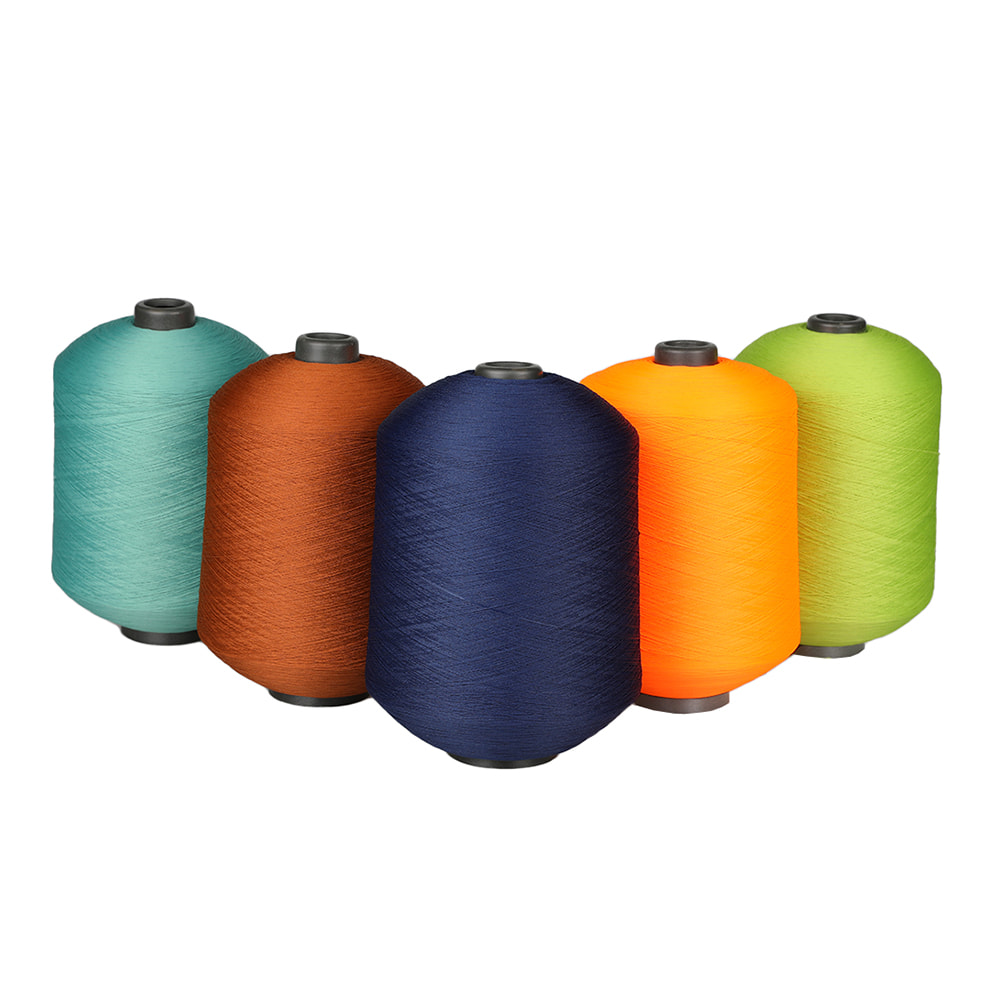
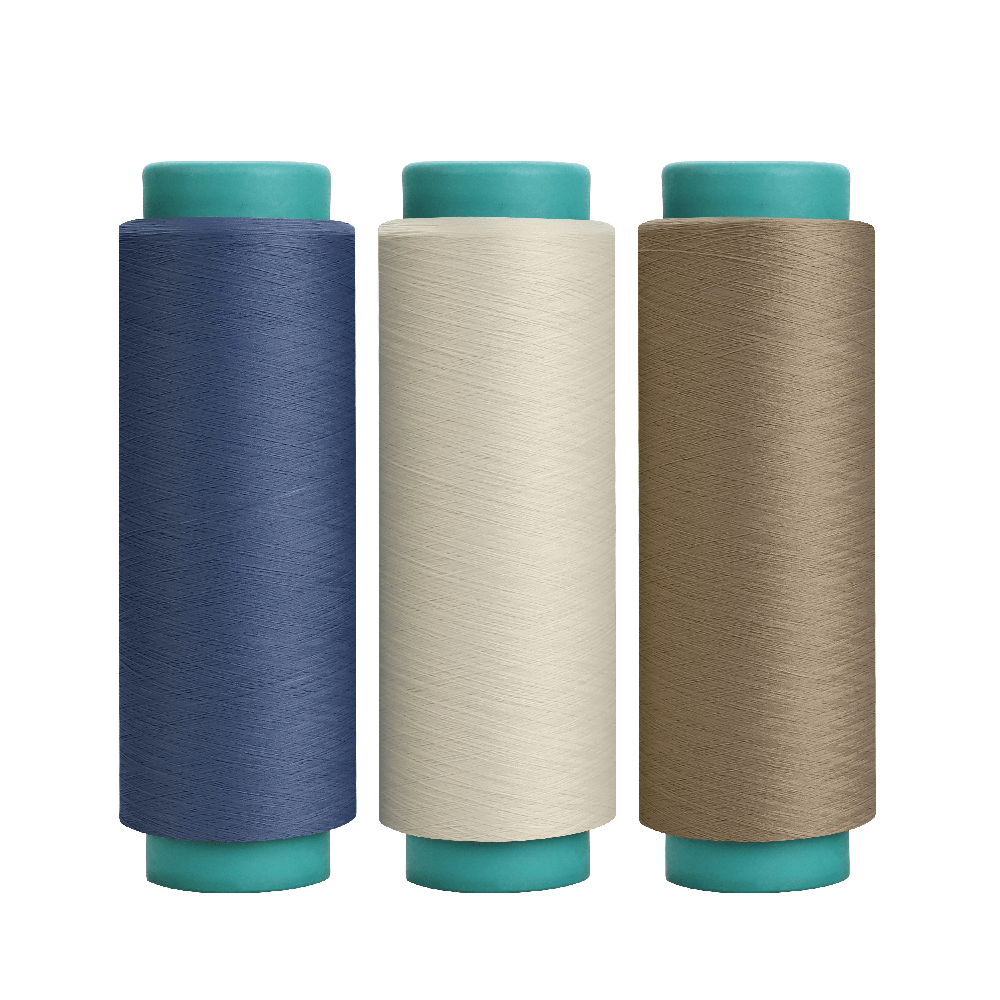
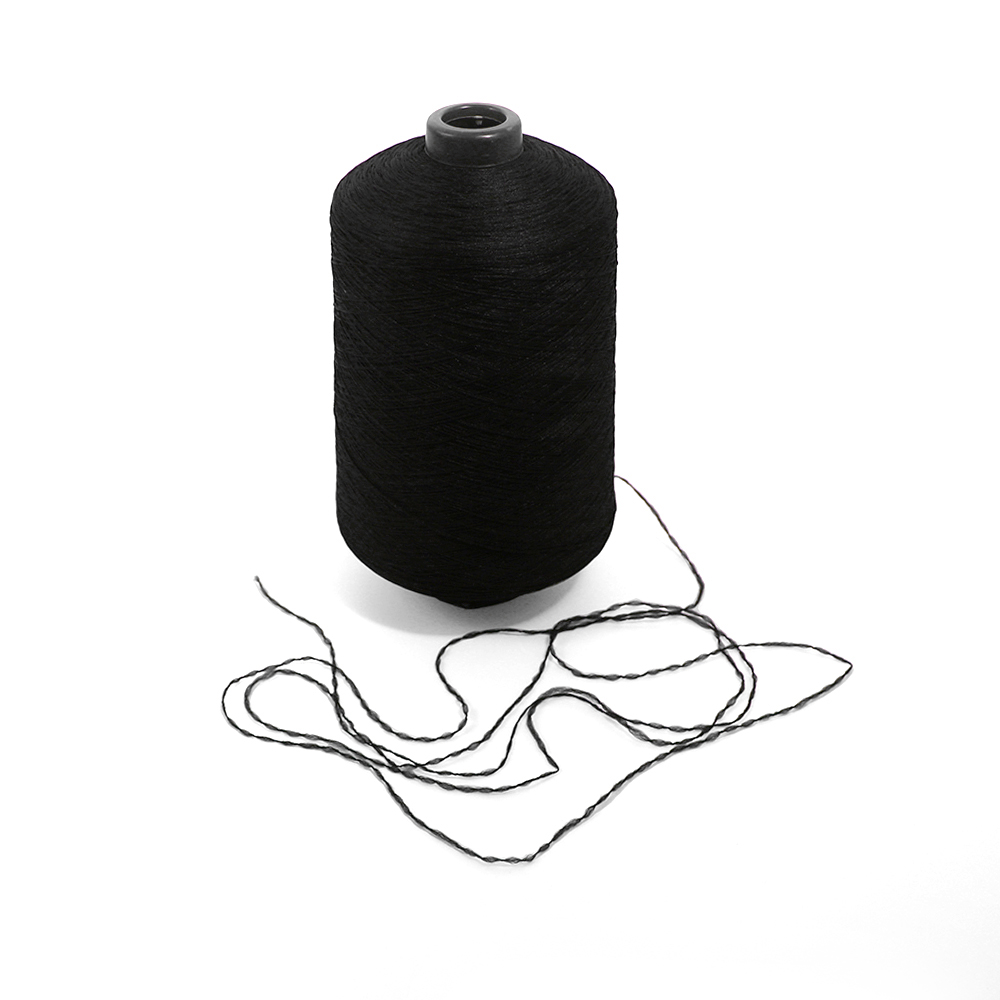
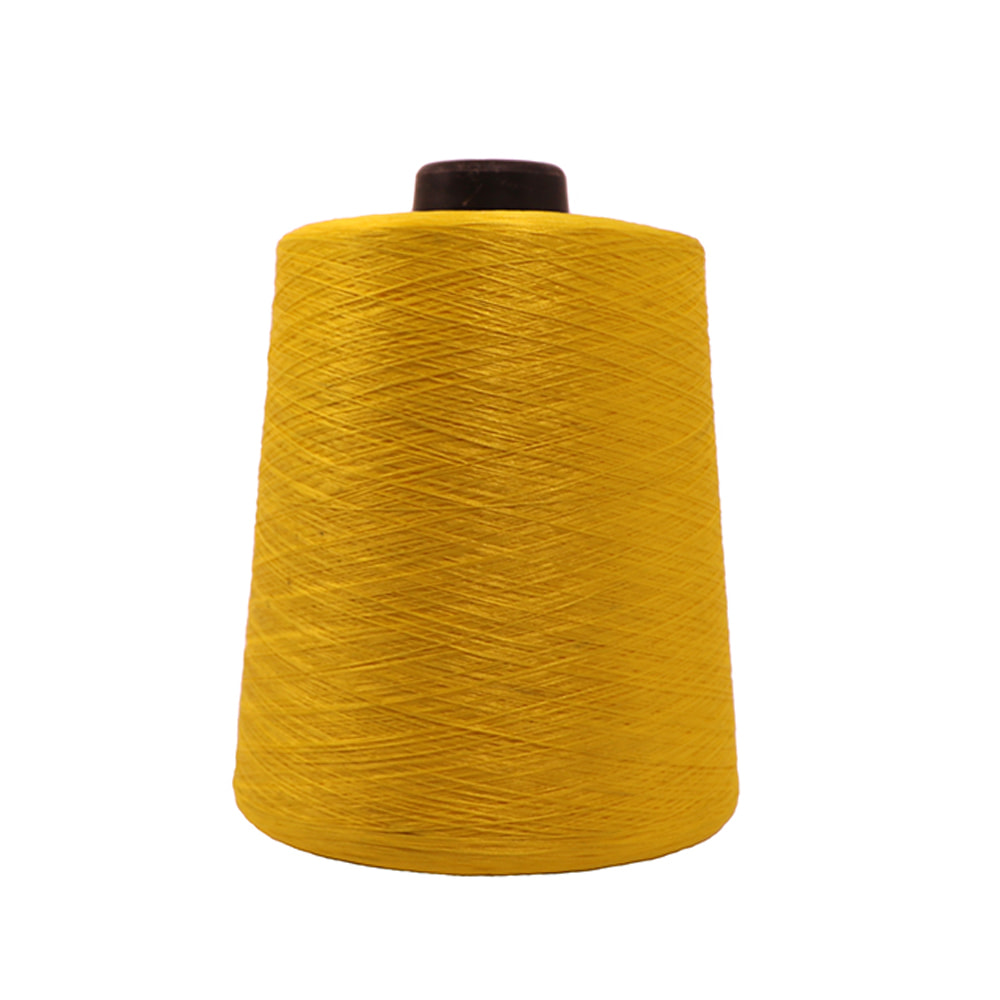
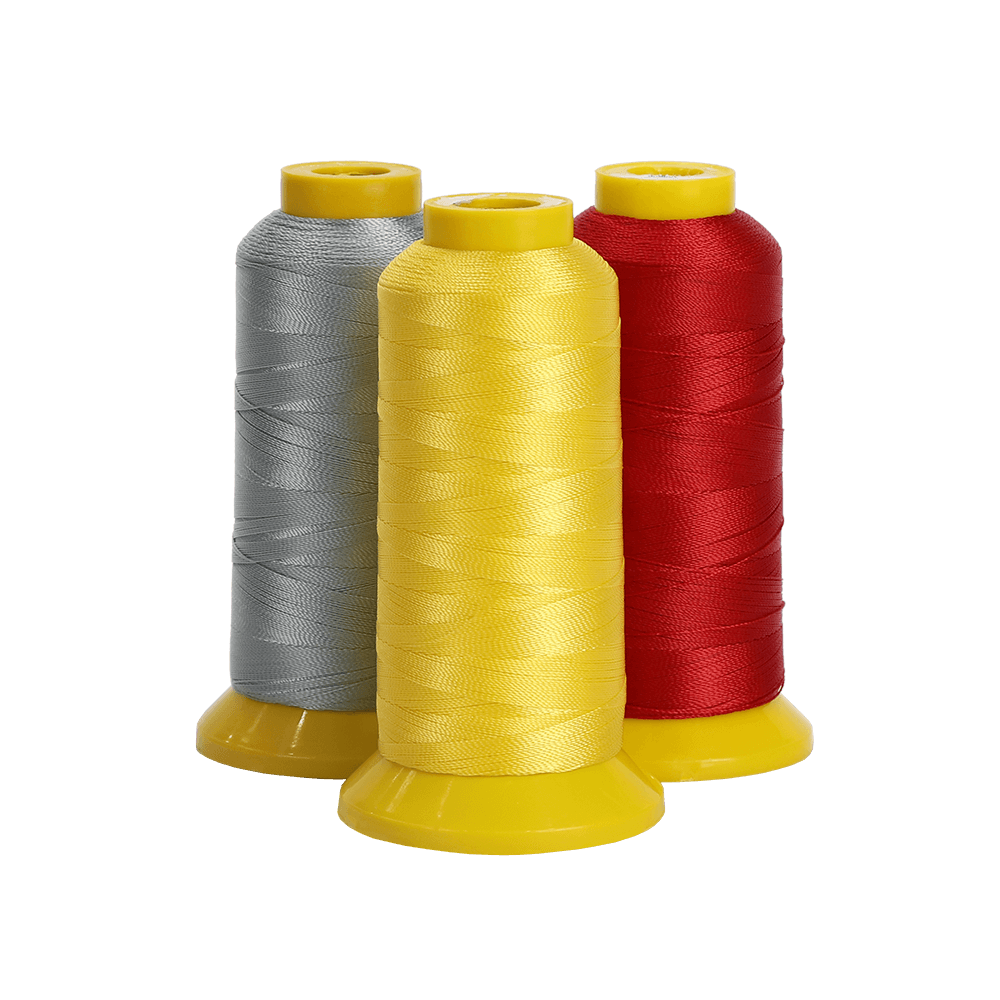
Glide polyester thread is a premium category of high-tenacity polyester sewing thread engineered for low-friction, high-speed industrial sewing operations. Unlike standard polyester threads, glide variants incorporate a specialized lubrication system — either applied as a surface finish or integrated into the fiber structure — that dramatically reduces needle heat, needle-eye friction, and stitch-tension variation during continuous high-cycle stitching. The result is a thread that runs consistently through automated sewing machines, lockstitch units, overlockers, and multi-needle systems at speeds exceeding 5,000 stitches per minute without the thermal degradation, skip stitching, or thread breakage that compromise production efficiency with conventional threads. This guide provides a comprehensive technical reference covering glide polyester thread specifications, construction technology, performance benchmarks, lubrication chemistry, application suitability, and B2B procurement criteria for garment manufacturers, industrial stitching engineers, and wholesale thread buyers.
1. Construction and Manufacturing of Glide Polyester Thread
Fiber Type and Yarn Architecture
Glide polyester thread is built on a foundation of high-tenacity polyethylene terephthalate (PET) continuous filament yarn, produced via a high-speed melt-spinning and drawing process optimized for maximum molecular chain orientation and crystallinity. The base filament tenacity for industrial sewing thread applications typically ranges from 6.5 to 8.5 cN/dtex — significantly higher than the 3.5–5.0 cN/dtex characteristic of apparel-grade polyester filament — achieved through draw ratios of 4.5–6.0× and controlled heat-setting at 200–220°C. The yarn architecture of glide polyester thread is constructed in one of three primary forms:
- Continuous filament (CF) thread: Produced directly from multi-filament polyester yarn without cutting or staple conversion; delivers the smoothest surface, highest tensile uniformity, and best seam appearance. The dominant form for glide polyester thread in premium applications.
- Texturized filament thread: Air-jet or false-twist texturized polyester filament; provides greater coverage and some elasticity, used in overlock and coverstitch seams where seam stretch is required.
- Core-spun thread: High-tenacity polyester filament core wrapped with a polyester or cotton fiber sheath; combines the strength of filament with the sewability characteristics of spun yarn; used in denim, workwear, and leather stitching.
Twisting and Plying
The mechanical integrity of glide polyester thread depends critically on its twisting architecture. Single yarns are twisted in the S or Z direction, then plied in the opposite direction (Z-twist singles plied S-direction, known as ZS or "balanced-twist" construction) to produce a thread with minimal torque imbalance. An unbalanced thread torque causes loop formation on the bobbin side of lockstitch seams and stitch distortion on overedge seams. Standard commercial constructions include:
- 2-ply construction: Two singles twisted together; lighter threads for fine-gauge needle sizes (Nm 80–120); used in lingerie, lightweight sportswear, and ribbon stitching.
- 3-ply construction: Three singles twisted together; the most common commercial form for general industrial sewing; covers needle sizes Nm 60–90.
- 4-ply and 6-ply construction: Heavy-duty applications including upholstery, footwear, seatbelts, airbags, and outdoor technical gear; needle sizes Nm 40–60.
Twist level (turns per meter, tpm) is calibrated to balance seam strength, abrasion resistance, and sewing performance. Overtwisted thread is stiffer, harder-running, and prone to snarling; undertw isted thread loses ply cohesion and produces hairy seams with reduced loop strength. Optimal twist multiplier (TM) for balanced 3-ply glide polyester is typically 3.5–4.2.
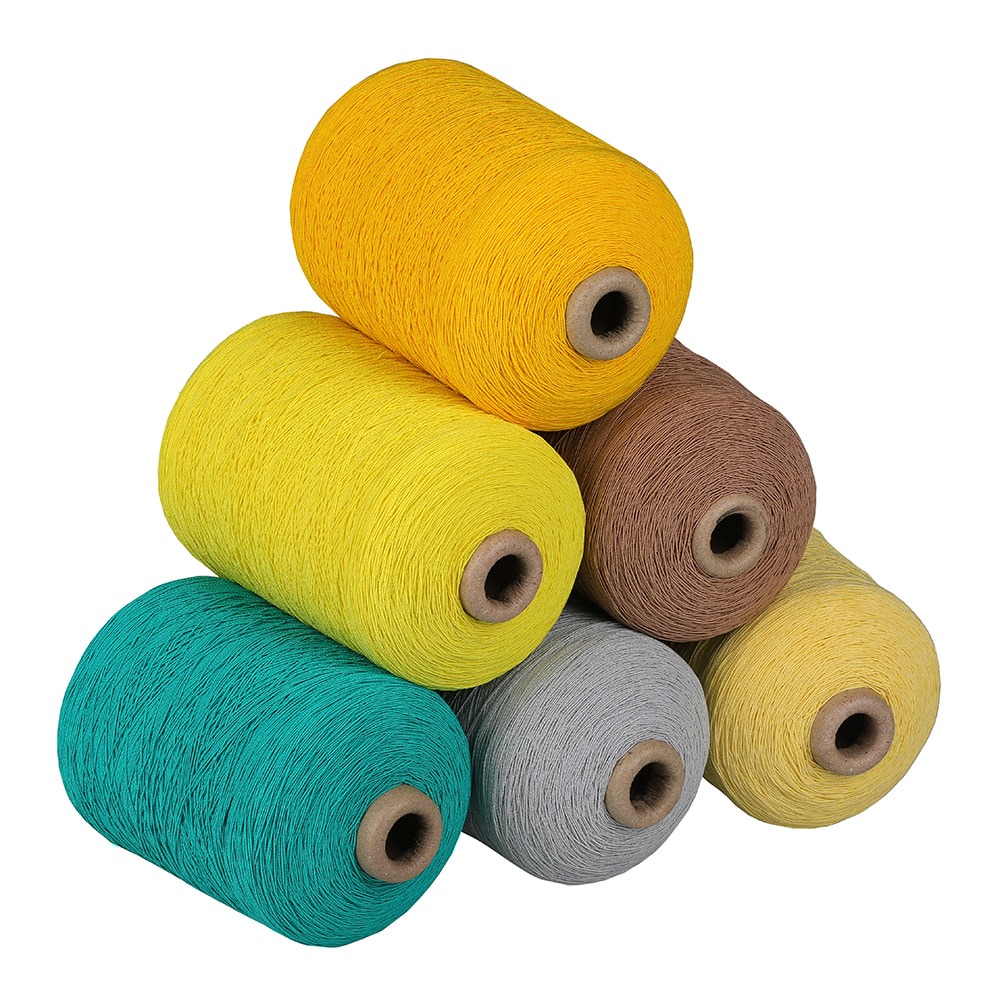
Lubrication System: The Defining Feature of Glide Thread
The "glide" designation specifically refers to the thread's tribological (friction-management) engineering. During high-speed sewing, the thread passes through the needle eye at velocities up to 50 m/min and the needle-thread contact zone generates frictional heat that can reach 300–400°C at the needle tip — well above the glass transition temperature of PET (approximately 80°C) and approaching the melting point (255–260°C) in extreme cases. Needle heat causes thread fusion, skip stitches, and seam failure. The lubrication system in glide polyester thread addresses this through:
- Surface lubrication (finish application): A precisely metered quantity of lubricant — typically a silicone-based or paraffin-wax emulsion finish — is applied to the thread surface during winding. The finish coefficient of friction (CoF) target is typically 0.10–0.18 (kinetic) versus 0.25–0.35 for unlubricated polyester thread.
- Penetrant lubrication: Advanced glide thread formulations use low-viscosity lubricant carriers that penetrate between filaments, lubricating the inter-filament contact zones as well as the thread surface, reducing internal heat generation during bending through the needle eye.
- Thermally stable lubricants: High-performance glide threads use lubricants with thermal stability above 250°C to prevent lubricant carbonization at the needle tip, which would deposit as black residue in the needle eye and cause progressive friction increase.
- Consistent finish add-on: The finish add-on percentage is tightly controlled at 0.5–1.5% by weight of the thread to prevent over-lubrication (which causes bobbin slippage and tension inconsistency) or under-lubrication (which allows frictional damage).
2. Glide Polyester Thread Specifications
Standard Ticket Number System
Glide polyester thread is commercially specified using the ticket number (Nm × number of plies) system, where a higher ticket number indicates a finer thread. The ticket number is approximately equal to 1,000 divided by the thread's linear density in tex. The following table covers the standard ticket range and corresponding needle and application recommendations:
| Ticket Number | Thread Count (tex) | Needle Size (Nm) | Stitches/cm | Primary Application |
|---|---|---|---|---|
| Tkt 120 / Tkt 150 | 8–10 tex | Nm 60–70 | 5–7 | Fine lingerie, lightweight wovens, silk-feel fabrics |
| Tkt 80 / Tkt 100 | 12–14 tex | Nm 70–80 | 4–6 | Sportswear, t-shirts, lightweight knitwear |
| Tkt 60 | 16–18 tex | Nm 80–90 | 4–5 | General apparel, socks, ribbons, elastic fabric |
| Tkt 40 | 25–28 tex | Nm 90–100 | 3–4 | Denim, workwear, shoes, medium upholstery |
| Tkt 20 / Tkt 30 | 35–50 tex | Nm 100–120 | 2–3 | Heavy upholstery, leather goods, safety equipment |
| Tkt 10 / Tkt 15 | 60–100 tex | Nm 120–160 | 2–3 | Automotive interiors, airbags, seatbelt stitching |
Mechanical Properties
| Property | Typical Value | Test Method |
|---|---|---|
| Tenacity (dry) | 6.5 – 8.5 cN/dtex | ISO 2062 |
| Loop Strength | 65–80% of straight tensile strength | ASTM D2256 |
| Elongation at Break | 15–25% | ISO 2062 |
| Knot Strength | 55–70% of straight tensile strength | ASTM D2256 |
| Elastic Recovery (at 5% extension) | 95–98% | ISO 20932-1 |
| Boiling Water Shrinkage (BWS) | 0.5–2.5% | AATCC 135 |
| Abrasion Resistance (cycles to failure) | 800–2,000+ cycles | ISO 12947-2 (Martindale) |
| Coefficient of Friction (kinetic) | 0.10–0.18 | ASTM D3108 |
Color and Dyeing Specifications
Glide polyester thread is dyed using high-pressure disperse dyeing at 130°C, which achieves deep penetration into the PET filament structure. Color fastness requirements for industrial sewing thread are stringent because seam color must match or complement the fabric face across the garment's service life:
- Wash fastness: ISO 105-C06; minimum Grade 4 for standard apparel; Grade 4–5 for performance and workwear.
- Light fastness: ISO 105-B02; minimum Grade 4 for fashion apparel; Grade 5–6 for outdoor, automotive, and UV-exposed applications.
- Perspiration fastness: ISO 105-E04; minimum Grade 3–4 (alkaline and acid perspiration).
- Rubbing fastness: ISO 105-X12; minimum Grade 4 dry, Grade 3 wet.
- Color matching tolerance: CMC(2:1) ΔE ≤ 1.0 for standard commercial shades; ΔE ≤ 0.5 for premium brand color matching.
3. Performance Advantages of Glide Polyester Thread
High-Speed Sewing Performance
The primary engineering motivation for specifying glide polyester thread for industrial sewing is its measurably superior performance at elevated sewing speeds. In controlled production trials comparing glide-finish and standard polyester threads of identical construction and ticket number on lockstitch machines (JUKI DDL-9000C class) running at 4,000–5,500 spm, glide thread consistently delivers:
- Needle temperature reduction of 40–80°C versus unlubricated thread at equivalent sewing speed (measured by infrared thermometry at the needle tip).
- Thread breakage rate reduction of 60–85% over 8-hour production shifts.
- Skip-stitch incidence reduction of 70–90%, particularly in synthetic fabric sewing where needle penetration resistance is highest.
- Consistent seam tension across the bobbin package lifetime, as the uniform lubricant distribution prevents tension spikes caused by localized friction variation.
Seam Strength and Durability
High strength glide polyester thread produces seams with superior initial breaking strength and superior retained strength after repeated laundering cycles relative to cotton, cotton-wrapped polyester, or lower-tenacity polyester threads at equivalent ticket numbers. The continuous filament construction eliminates the weak points associated with spun thread (fiber ends, twist irregularities) and delivers a statistically more uniform tensile profile along the thread length. Key seam performance data for standard Tkt 40 3-ply glide polyester in lockstitch seam (301 stitch type) on 200 g/m² polyester fabric:
- Initial seam breaking strength: 280–340 N (ISO 13935-2)
- Seam strength after 50 × ISO 6330 wash cycles: 92–96% retained strength
- Seam elongation at break: 18–28% (accommodates garment stretch without seam failure)
- Seam efficiency (seam strength / fabric strength): 80–92%
Chemical and Environmental Resistance
PET-based glide polyester thread exhibits outstanding resistance to a broad range of chemicals and environmental conditions encountered in both production and end-use:
- Moisture resistance: PET absorbs less than 0.4% moisture at standard conditions (65% RH, 20°C); thread strength is essentially unaffected by wet conditions (wet-to-dry strength ratio > 97%).
- UV resistance: PET has inherently better UV stability than nylon (PA6/PA66); UV-stabilized grades with hindered amine light stabilizers (HALS) are available for outdoor furniture, marine, and automotive applications where ISO 105-B02 Grade 6+ is required.
- Chemical resistance: Resistant to dilute acids, alkalis, bleach (sodium hypochlorite at standard laundry concentrations), and most organic solvents at ambient temperature.
- Mildew and biological resistance: PET is inherently resistant to mould, mildew, and bacterial degradation, making glide polyester thread preferred over cotton in humid storage and tropical climate end uses.
Comparison: Glide Polyester Thread vs Other Thread Types
Selecting the correct thread type for an industrial sewing application requires a systematic evaluation of performance requirements, machine compatibility, and total seam cost. The following comparison covers the major commercially available thread types against glide polyester thread across critical performance parameters.
| Property | Glide Polyester Thread | Standard Polyester Thread | Cotton Thread | Nylon Thread | Core-Spun Thread |
|---|---|---|---|---|---|
| Tenacity (cN/dtex) | 6.5–8.5 | 4.5–6.5 | 2.5–4.0 | 7.0–9.5 | 5.0–7.0 |
| Friction at needle (CoF) | 0.10–0.18 (low) | 0.25–0.35 (moderate) | 0.30–0.40 (moderate–high) | 0.18–0.28 (moderate) | 0.20–0.30 (moderate) |
| High-speed sewing performance | Excellent | Good | Fair | Very Good | Good |
| Wash fastness | Grade 4–5 | Grade 4 | Grade 3–4 | Grade 4–5 | Grade 4 |
| UV resistance | Good–Excellent | Good | Fair (degrades under UV) | Fair (yellows under UV) | Good |
| Moisture absorption | <0.4% | <0.4% | 7–8% | 3–4% | 1–3% |
| Chemical resistance | Excellent | Excellent | Poor (bleach sensitive) | Good (acid sensitive) | Good |
| Elasticity / seam stretch | Moderate (15–25% elongation) | Moderate | Low (7–10%) | High (25–40%) | Moderate |
| Relative cost | Moderate–High | Low–Moderate | Low | High | Moderate |
4. Glide Polyester Thread for Industrial Sewing: Machine Compatibility
Lockstitch (301) Applications
The lockstitch machine is the most widely deployed sewing system in apparel and textile manufacturing. Glide polyester thread for industrial sewing on lockstitch machines offers its greatest productivity advantage, as the combination of high needle speed, tight needle-eye tolerances, and the demanding tension system of lockstitch machines creates the most challenging frictional environment for thread. Key machine setup parameters for glide polyester on lockstitch:
- Thread tension: Upper tension 80–150 gf; bobbin tension 25–45 gf. Glide thread's low CoF requires slightly higher initial tension settings than standard polyester to achieve correct stitch formation; tension gauges should be calibrated after thread change.
- Needle type: Sharp point (Nm 70–90 for Tkt 60–80); use graded needle size matched to thread ticket number per DIN 61400 / ISO 7000-0417.
- Needle change frequency: Glide thread's reduced needle temperature allows extended needle service intervals — typically 8–12 hours versus 4–6 hours for unlubricated thread on synthetic fabrics.
- Stitch density: 4–5 stitches/cm for seam strength; 3–4 stitches/cm for topstitching visibility; minimum stitch density governed by seam strength specification.
Overlock and Safety Stitch (504 / 516) Applications
In overlock sewing, glide polyester thread is used in both the needle position (for seam strength contribution) and in the looper positions (upper and lower loopers), where the thread must form stable loops at high speed without kinking, looping irregularly, or breaking at the looper tip. Textured glide polyester (air-jet textured, Tkt 80–120) is preferred in looper positions for its bulkier, more coverage-efficient structure that produces clean, consistent seam edges on jersey and knit fabrics.
Multi-Needle and Flatlock (606) Applications
Flatlock stitching used in sportswear, activewear, and seamless underwear requires that all needle threads and looper threads maintain identical tension and friction characteristics throughout a production run. Tension variation between needle positions caused by inter-cone friction differences is a major source of seam distortion in multi-needle sewing. Glide polyester thread's tightly controlled CoF and uniform lubricant distribution minimize inter-position tension variation, producing flatter, more consistent flatseam seams critical to both aesthetic quality and next-to-skin comfort in athletic base layers.
5. Color Range and Customization for Glide Polyester Thread
Standard Color Systems
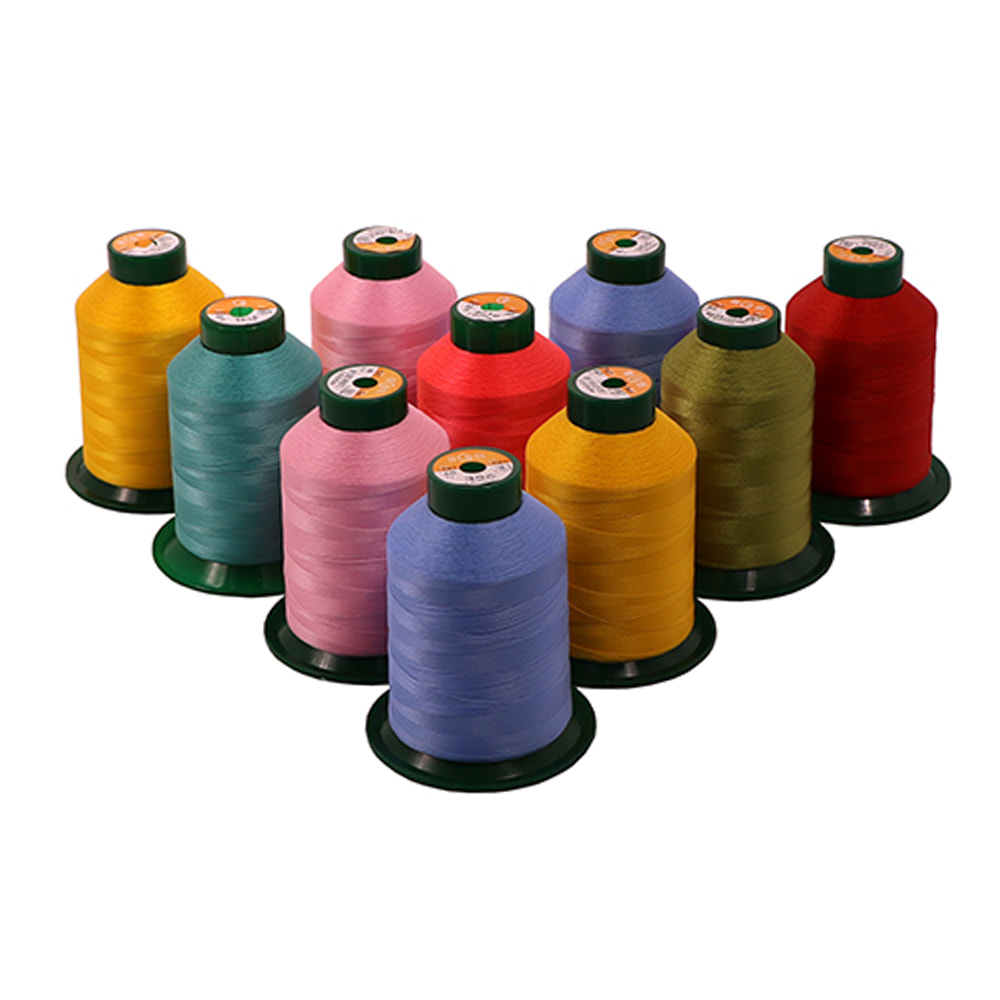
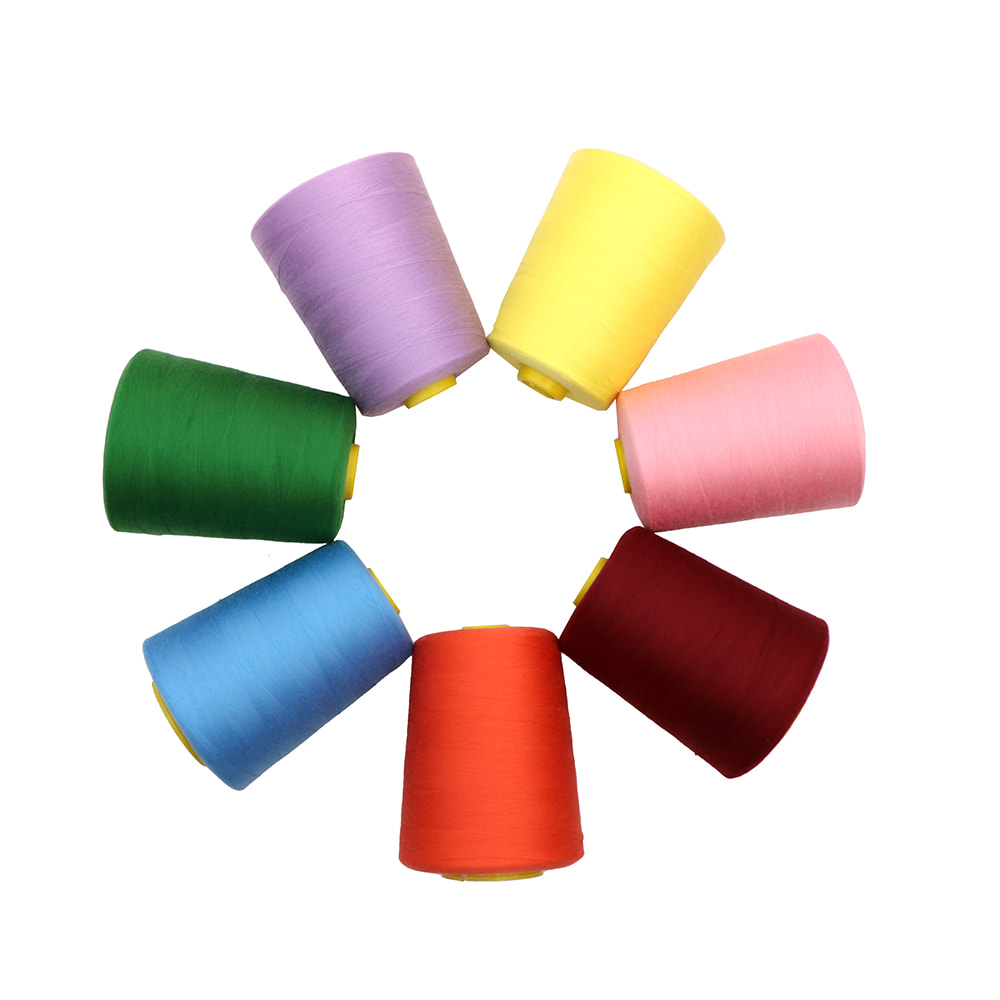
Industrial thread buyers specify color using internationally recognized color reference systems to ensure shade consistency between thread and fabric across multiple sourcing regions. The dominant color specification systems for glide polyester thread in global supply chains are:
- Pantone TCX (Textile Color Index): The most widely used system in apparel; thread manufacturers maintain Pantone-matched color cards with achievable CMC ΔE tolerances.
- RAL Classic: Preferred in European industrial, automotive, and workwear specifications.
- Customer-supplied fabric standards: Thread matched in the laboratory to a fabric swatch supplied by the brand, typically within CMC(2:1) ΔE ≤ 1.0.
- Standard commercial shade cards: Thread manufacturers publish standardized shade cards (typically 200–500 standard shades) for immediate availability without custom dyeing lead times.
Color Consistency Across Production Batches
Batch-to-batch color consistency is a critical quality dimension for large-volume industrial buyers, particularly those producing garment lines requiring seamless shade matching across multiple production runs. High-quality glide polyester thread suppliers implement in-process spectrophotometric measurement at the dyeing stage, targeting CMC ΔE ≤ 0.8 between production batches to the master standard. Buyers should request Dye Lot Certificates with spectrophotometric data (L*, a*, b* coordinates, ΔE) for each batch as part of the quality documentation package.
6. Applications of Glide Polyester Thread Across Industries
Apparel and Sportswear
Glide polyester thread is the dominant thread type in high-volume apparel manufacturing. In sportswear and activewear specifically, the combination of high seam strength, seam elongation compatible with four-way stretch fabrics, fast-drying polyester chemistry, and consistent high-speed sewing performance makes glide polyester the default specification for brands and contract manufacturers producing performance garments. Seam integrity under dynamic loading — the characteristic stretch-and-recover cycle of leggings, cycling shorts, and swim garments — is validated through ISO 13936-1 seam slippage testing and ISO 13935-2 seam breaking strength testing as standard quality gate criteria.
Hosiery and Sock Manufacturing
In hosiery production, glide polyester thread is used for toe-closing operations (linking and sewing), reinforcement seams in the heel and toe panels, and decorative topstitching in fashion sock lines. The thread must withstand repeated flexion and abrasion in the high-stress toe and heel regions across hundreds of wearing and laundering cycles. High-tenacity glide polyester at Tkt 60–80 with excellent wet abrasion resistance is the standard specification for performance athletic sock seaming.
Footwear and Shoe Upper Stitching
Athletic footwear and casual shoe manufacturing represents one of the most demanding applications for glide polyester thread. Outsole attachment seams, toe-box reinforcement, upper assembly stitching, and decorative welt stitching all require thread that can withstand both the mechanical demands of shoe assembly (high-tension sewing through multiple dense layers) and the long-term abrasion and flexion of footwear use. Tkt 20–40 high strength glide polyester thread with UV-stabilized finish is standard for athletic shoe upper assembly, providing the high loop strength and abrasion resistance required by footwear testing standards including SATRA TM72 and ISO 17707.
Ribbons and Narrow Fabrics
Ribbon and narrow fabric weaving and finishing operations use glide polyester thread in selvedge binding, edge stitching, and label sewing applications. The consistent running behavior of glide thread at high sewing speeds is particularly valuable in automated label-sewing and ribbon-finishing lines operating at 3,000–6,000 spm, where thread breakage causes costly line stoppages and rework.
Technical and Industrial Textiles
Beyond apparel, glide polyester thread serves critical functions in technical textile applications where seam performance directly affects product safety and service life:
- Automotive interiors: Seat cover stitching, airbag module assembly (FR-rated glide thread required), headliner and door panel attachment.
- Outdoor and protective equipment: Tents, tarpaulins, sails, and safety harnesses require UV-stabilized, high-tenacity glide polyester meeting EN 354 / EN 361 seam strength requirements.
- Filtration media: Bag filter sewing for industrial dust collection; high-temperature glide polyester (PET rated to 150°C continuous) for hot gas filtration.
- Medical textiles: Non-implantable medical device assembly using certified biocompatible polyester thread meeting ISO 10993-5 cytotoxicity criteria.
7. Sustainable Glide Polyester Thread
Recycled PET (rPET) Glide Thread
The textile industry's transition toward circular material flows has driven significant development of recycled-content glide polyester thread produced from certified post-consumer PET (primarily bottle flake) or post-industrial polyester fiber waste. rPET glide thread carries GRS (Global Recycled Standard) certification and enables garment manufacturers to include thread in their recycled content declarations under OEKO-TEX Made in Green and bluesign system compliance frameworks. Physical performance of certified rPET glide thread — tenacity, CoF, color fastness — is equivalent to virgin PET glide thread when produced from high-IV (≥0.62 dl/g) rPET chip, verified through ISO 2062 and ASTM D3108 testing.
Low-Impact Dyeing and Chemistry
Responsible sourcing of glide polyester thread increasingly requires verification of dyeing chemistry compliance. Key certifications and standards include:
- OEKO-TEX Standard 100: Tests for more than 100 harmful substances including restricted azo colorants, heavy metals, formaldehyde, and pesticides; required by most European and North American brand customers.
- bluesign: Covers the full production process including dyeing water and energy consumption, chemical management, and worker safety.
- ZDHC MRSL (Zero Discharge of Hazardous Chemicals): Manufacturing Restricted Substances List compliance; required by Nike, H&M, Adidas, and other major brands.
- Fluorine-free DWR lubricants: Premium glide thread suppliers are transitioning from PFAS-containing thread lubricants to fluorine-free alternatives, in line with EU PFAS restriction proposals under REACH Regulation (EC) No 1907/2006.
8. B2B Sourcing Guide for Glide Polyester Thread
Key Quality Parameters for Procurement Specification
Industrial buyers specifying glide polyester thread for production should include the following parameters in their purchase specifications to ensure consistent performance across supply batches:
- Thread construction: filament count, ply count, twist direction and level (tpm)
- Ticket number and tex count with tolerance (±2.5%)
- Tenacity (minimum 6.5 cN/dtex) and elongation range (15–25%)
- Boiling water shrinkage: maximum 2.0% for stable seam construction
- Coefficient of friction (target 0.10–0.18 kinetic, ASTM D3108)
- Color fastness grades (wash, light, perspiration, rubbing per ISO 105 series)
- Color matching tolerance: CMC(2:1) ΔE ≤ 1.0
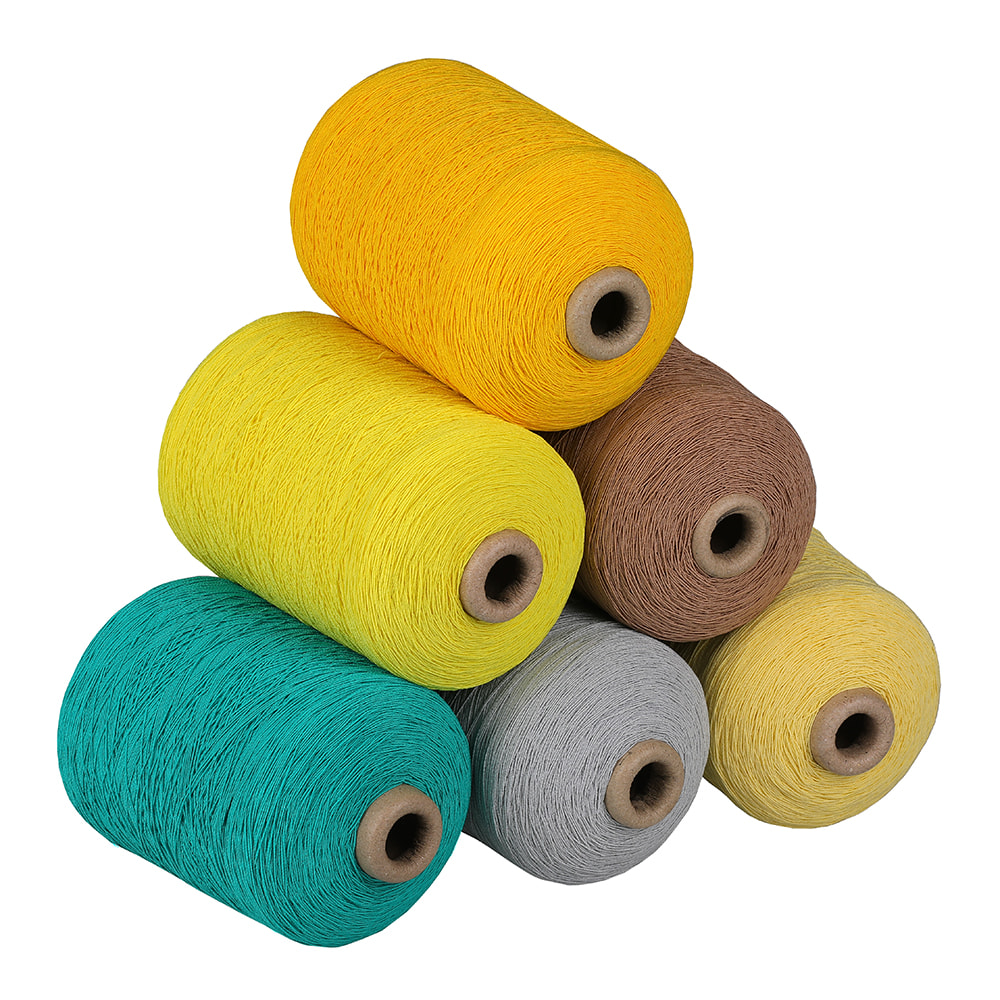
- Package form and net weight: cross-wound cheese or cone, 1.0–5.0 kg net
- Certification requirements: OEKO-TEX 100, GRS (if recycled), ZDHC MRSL
Package Forms and Supply Logistics
| Package Form | Net Weight | Application |
|---|---|---|
| Cross-wound cheese (paper tube) | 0.5 – 2.5 kg | Lockstitch upper thread; overlock needle thread |
| Cross-wound cone (plastic) | 2.0 – 5.0 kg | High-volume sewing lines; looper thread supply |
| Pre-wound bobbin | 50 – 200 m capacity | Lockstitch bobbin thread; precision applications |
| Large package / master cone | 5.0 – 10.0 kg | Automated sewing systems with large-capacity bobbin winders |
9. Frequently Asked Questions (FAQ)
Q1: What makes glide polyester thread different from standard polyester sewing thread?
The fundamental difference is the lubrication system. Glide polyester thread incorporates a precisely engineered surface and penetrant lubrication finish that reduces the coefficient of friction at the needle-thread interface to 0.10–0.18 (kinetic), compared to 0.25–0.35 for standard unlubricated polyester thread. This friction reduction lowers needle heat by 40–80°C at operating speed, reducing thread breakage by 60–85% and skip-stitch incidence by 70–90% in high-speed industrial sewing environments. Beyond lubrication, glide polyester typically uses a higher-tenacity base filament (6.5–8.5 cN/dtex versus 4.5–6.5 for standard grade) and tighter manufacturing tolerances on linear density and twist level.
Q2: Is high strength glide polyester thread suitable for stretch and elastic fabric sewing?
Yes. High strength glide polyester thread in continuous filament construction delivers a seam elongation of 18–28% at break, which is compatible with the stretch requirements of jersey, lycra-blend, and four-way stretch fabrics used in sportswear and swimwear. For maximum seam stretch, textured glide polyester (false-twist DTY construction) or glide polyester used on overedge and flatlock stitch types (504, 516, 606) provides further elongation capacity of 35–50%. Core-spun glide polyester with elastane core is available for applications requiring seam elongation above 100%.
Q3: What is the correct way to store glide polyester thread to maintain its lubricant performance?
Glide polyester thread should be stored in a controlled environment at 15–25°C and 50–65% relative humidity, away from direct sunlight, heat sources, and chemical fumes. Elevated temperature accelerates lubricant migration (the lubricant redistributes toward the package surface), reducing the effective finish level on interior layers of the cone. Excessive humidity can cause hydrolytic degradation of certain lubricant chemistries and promote rust on metal thread guides that contacts the thread. Recommended maximum storage period before use is 24 months from manufacture date under recommended conditions.
Q4: Can glide polyester thread be used in automated and robotic sewing systems?
Yes, and it is specifically recommended for automated sewing applications. Automated sewing systems — including template-guided sewing machines, robotic arm sewers, and automated joining systems used in smart factory garment production — operate at very high and constant speeds with minimal operator intervention. Thread consistency is therefore critical, as a single thread break in an automated cell stops the entire production unit. The controlled CoF, uniform linear density, and low shrinkage of glide polyester thread deliver the thread-path consistency and tension stability that automated sewing systems require for uninterrupted production.
Q5: How should buyers evaluate the color fastness of glide polyester thread for performance sportswear applications?
For performance sportswear, the minimum color fastness requirements for glide polyester thread should be: wash fastness ISO 105-C06 Grade 4–5 (at 40°C and 60°C); perspiration fastness ISO 105-E04 Grade 3–4 (both acid and alkaline); and rubbing fastness ISO 105-X12 Grade 4 dry / Grade 3 wet. For outdoor and UV-exposed applications, light fastness ISO 105-B02 Grade 5–6 should be specified. Buyers should request independent third-party test reports (from SGS, Bureau Veritas, Intertek, or equivalent) rather than relying solely on supplier self-certification, particularly when qualifying new thread sources for brand-critical seam color programs.