English
 中文简体
中文简体 Español
Content
- 1 1. Structure and Manufacturing of Hollow Polyester Filament
- 2 2. Hollow Polyester Filament Yarn Properties
- 3 3. Hollow Fiber Polyester Filament Fabric: Construction and Behavior
- 4 4. Hollow Polyester Filament for Sportswear and Performance Textiles
- 5 5. Sustainable Hollow Polyester Filament: Recycled and Eco Options
- 6 6. Hollow Polyester Filament Applications by End Use
- 7 7. Sourcing Hollow Polyester Filament: B2B Buyer Considerations
- 8 8. About Zhuji Daxin Chemical Fiber Co., Ltd.
- 9 9. Frequently Asked Questions (FAQ)
- 9.1 Q1: What is the difference between hollow polyester filament and regular polyester filament?
- 9.2 Q2: What are the main hollow polyester filament yarn properties that matter for sportswear?
- 9.3 Q3: Can hollow fiber polyester filament fabric be dyed to deep shades?
- 9.4 Q4: Is recycled (rPET) hollow polyester filament available, and how does it compare to virgin hollow polyester?
- 9.5 Q5: What minimum order quantities (MOQ) and lead times should B2B buyers expect when sourcing hollow polyester filament?
- 10 References
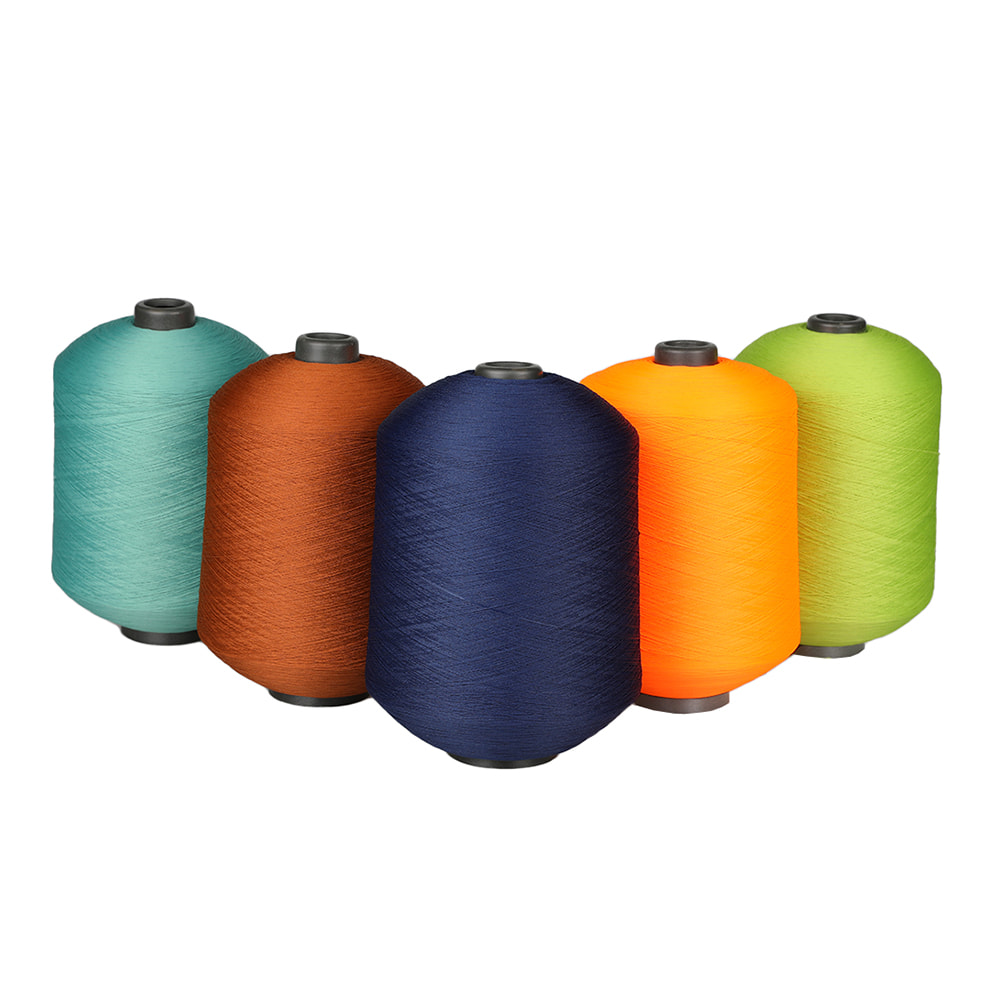
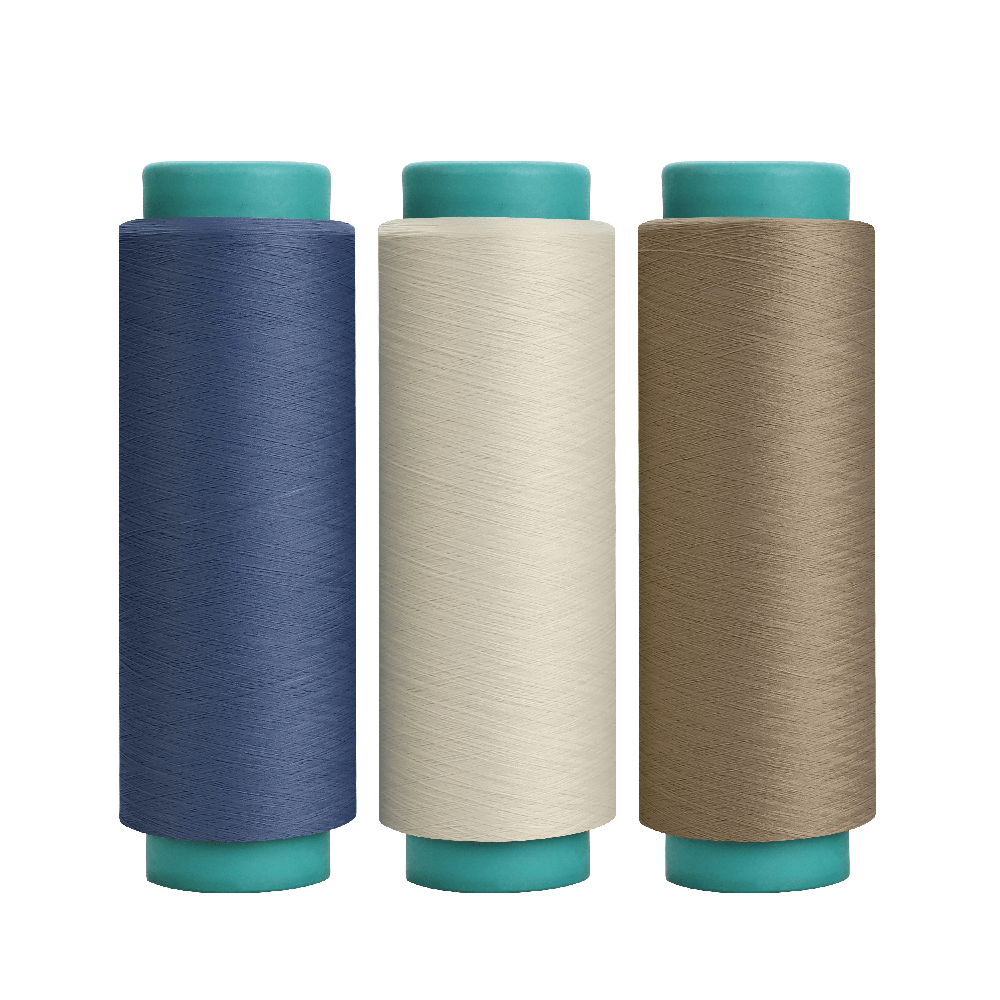
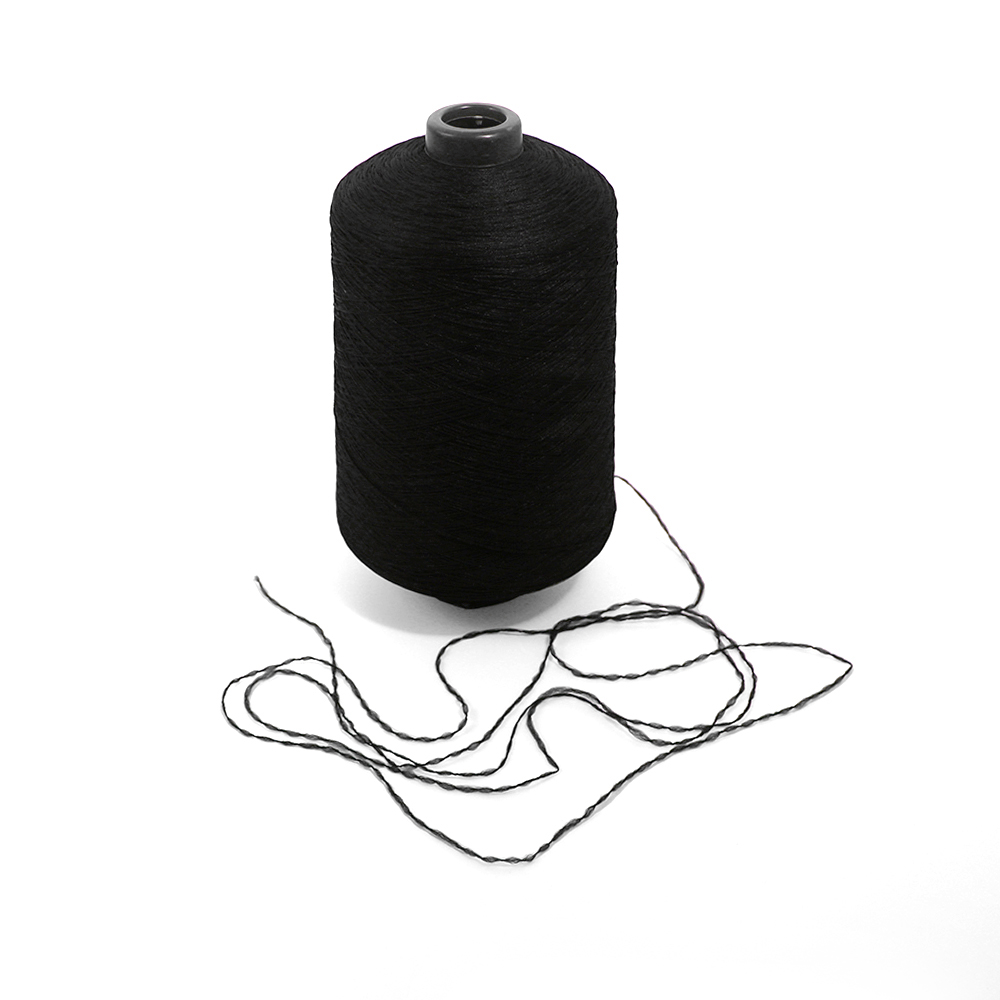
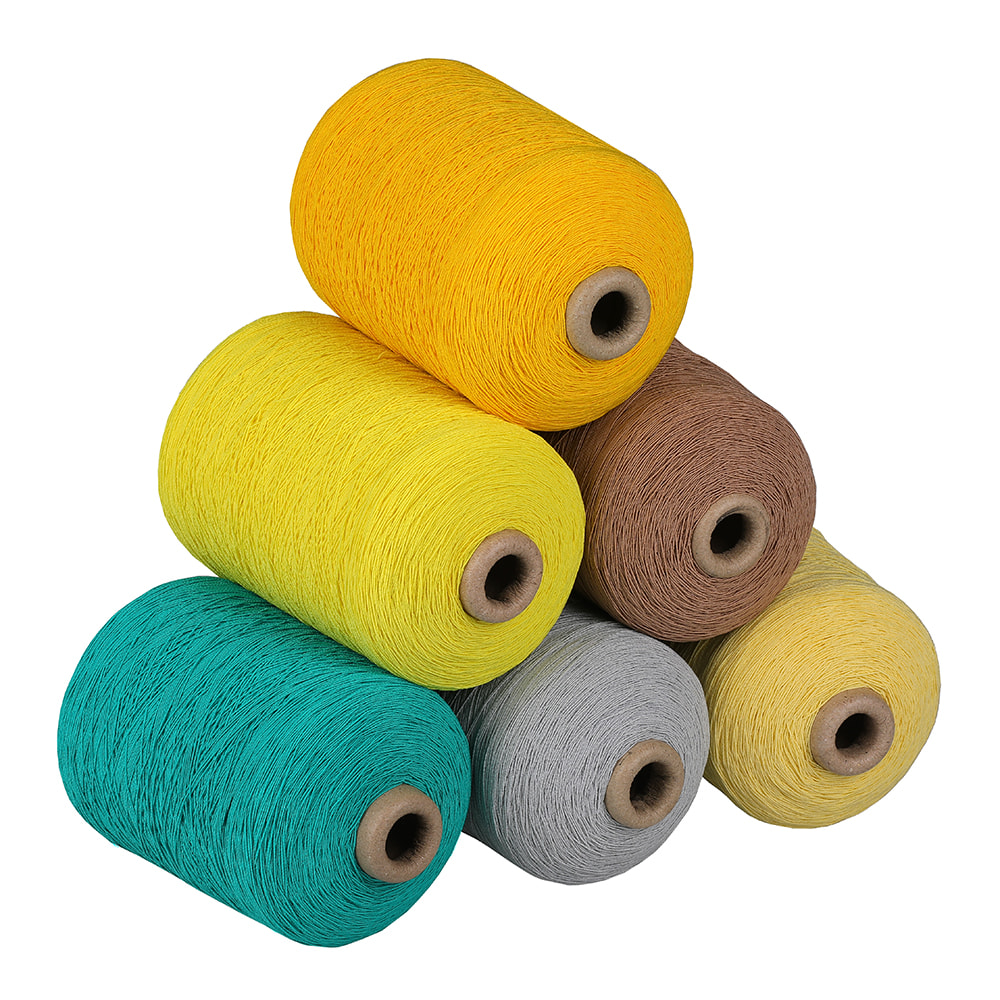
Hollow polyester filament is a high-performance synthetic fiber engineered with one or more longitudinal air channels running through the core of each filament, in contrast to conventional solid polyester fiber. This unique tubular cross-section fundamentally alters the fiber's thermal, mechanical, and moisture-management characteristics, making it one of the most technically versatile filament types in modern textile manufacturing. From high-performance sportswear and functional socks to technical outdoor apparel and filtration media, hollow polyester filament delivers a combination of lightweight warmth, breathability, and resilience that solid polyester cannot match. This comprehensive guide covers hollow polyester filament yarn properties, manufacturing processes, performance benchmarks, fabric behavior, and sourcing considerations for textile engineers, product developers, and B2B procurement specialists.
1. Structure and Manufacturing of Hollow Polyester Filament
Cross-Section Architecture
The defining characteristic of hollow polyester filament is its non-solid cross-sectional geometry. During the melt-spinning process, specially designed spinneret capillaries — typically featuring C-shaped, horseshoe, or segmented orifice geometries — allow the polymer melt to be extruded in a configuration that traps air inside the solidifying filament as it exits the spinneret and quench zone. The result is a continuous filament with a hollow void ratio (HVR) typically ranging from 15% to 40% of the total filament cross-sectional area.
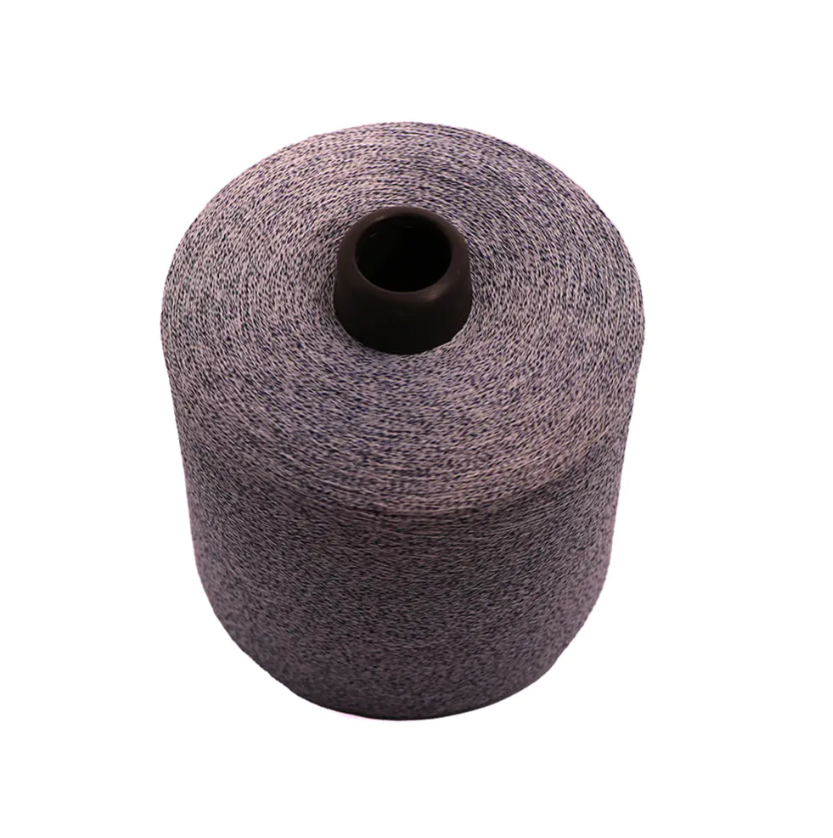
- Single-hole hollow filament: One central air channel; most common commercial type; balanced between thermal performance and tensile strength.
- Multi-hole hollow filament (4DG, 6DG, 7DG): Four to seven discrete channels per filament; maximizes surface area and moisture transport while reducing fiber weight further.
- Bicomponent hollow filament: Combines two polymers (e.g., PET/PTT or PET/PE sheath-core) with a hollow center to add elasticity or bonding function alongside thermal properties.
Melt Spinning and Drawing Process
Hollow polyester filament is produced via a continuous melt-spinning process using polyethylene terephthalate (PET) chips with an intrinsic viscosity (IV) typically between 0.62 and 0.68 dl/g for standard textile-grade fiber. The key process variables that determine hollow channel integrity and dimensional stability include:
- Spinneret capillary design: Slot width, arc angle, and land length of the C-shaped orifice govern the hollow ratio and channel uniformity.
- Quench air velocity and temperature: Rapid and symmetric quenching is critical to prevent channel collapse during solidification.
- Draw ratio: Typically 3.0–4.5×; higher draw ratios improve tensile tenacity but can reduce hollow ratio through filament necking.
- Heat-setting temperature: 120–180°C depending on target shrinkage and crimp characteristics in the final yarn.
The finished filament is wound as polyester POY filament (Partially Oriented Yarn) for downstream texturing, or as fully drawn yarn (FDY) for direct weaving or knitting applications. In texturing operations, hollow POY is processed on draw-texturing machines to produce hollow polyester DTY high elastic yarn — one of the most commercially significant forms for hosiery and stretch fabric production.
Key Raw Material Specifications
| Parameter | Typical Value | Test Method |
|---|---|---|
| Polymer Type | Polyethylene terephthalate (PET) | — |
| Intrinsic Viscosity (IV) | 0.62 – 0.68 dl/g | ASTM D4603 |
| Melting Point | 255 – 260°C | DSC / ISO 11357-3 |
| Hollow Void Ratio (HVR) | 15% – 40% | Cross-section image analysis |
| Filament Linear Density | 0.5 – 5.0 dpf (denier per filament) | ASTM D1907 |
| Tenacity | 3.5 – 5.0 cN/dtex | ISO 2062 |
| Elongation at Break | 25% – 45% | ISO 2062 |
| Boiling Water Shrinkage | 3% – 8% | AATCC 135 |
2. Hollow Polyester Filament Yarn Properties
Understanding hollow polyester filament yarn properties is essential for selecting the correct fiber grade for a given end-use. The hollow architecture introduces a distinct set of functional advantages over conventional solid polyester, but also imposes specific design constraints that must be managed at the yarn and fabric construction level.
Thermal Insulation Performance
The air trapped within the hollow channel acts as a low-conductivity thermal barrier. Air has a thermal conductivity of approximately 0.026 W/(m·K), compared to approximately 0.14–0.16 W/(m·K) for solid PET. As a result, fabrics constructed from hollow polyester filament deliver measurably higher clo values (a unit of thermal resistance) per unit fabric weight than equivalent solid polyester constructions. In standardized fill-power testing adapted from down insulation methodology, hollow polyester fiber assemblies achieve effective thermal resistance values of 0.15–0.25 m²·K/W at standard fabric weights — a 20–35% improvement over solid polyester equivalents at the same fabric weight.
Moisture Management and Wicking
One of the most commercially important hollow polyester filament yarn properties is its superior moisture-transport behavior. The internal channel and micro-gap structure between filaments create extended capillary networks that draw perspiration away from the skin surface via capillary action. Multi-hole hollow filaments (e.g., 4DG cross-section) have a specific surface area up to 40% greater than round solid filaments of equivalent linear density, significantly accelerating moisture spread rate and evaporative drying. Key moisture performance metrics include:
- Wicking rate: Measured in mm/min; multi-hole hollow filament fabrics typically achieve 80–140 mm/min vertical wicking versus 40–70 mm/min for solid polyester (AATCC 197 test method).
- Moisture spread area: Larger contact angle reduction due to capillary geometry; improves body-side dryness perception.
- Drying time: 30–50% faster than solid polyester at equivalent fabric weight (ISO 17617 evaporation test).
Weight Reduction and Bulk
Because a fraction of the filament cross-section is replaced by air, hollow polyester filament is intrinsically lighter than solid filaments of the same outer diameter. A filament with 25% HVR is approximately 20–22% lighter per unit length than a solid filament of the same outer diameter. This weight reduction translates directly into lighter fabrics without sacrificing bulk or coverage — a critical parameter for high-performance sportswear, where garment weight directly affects athletic performance. At the same time, the hollow architecture provides greater apparent volume and softer hand compared to solid polyester, as the fiber resists compaction under pressure.
Resilience and Anti-Compression Properties
The tubular structure of hollow filaments confers resistance to permanent deformation under compressive loading. Unlike down or solid staple fiber insulation, which loses loft irreversibly after repeated compression cycles, hollow polyester filaments recover their cross-sectional geometry due to the elastic memory of the PET polymer and the structural reinforcement provided by the annular wall geometry. After 100 compression cycles in standardized resilience testing, hollow polyester retains 85–92% of its original thickness, compared to 70–80% for solid polyester staple pads.
Summary: Hollow vs Solid Polyester Filament Property Comparison
The following table illustrates the principal performance differences between hollow polyester filament and conventional solid polyester filament across key textile performance dimensions.
| Property | Hollow Polyester Filament | Solid Polyester Filament |
|---|---|---|
| Thermal Insulation (clo/g) | 20–35% higher | Baseline |
| Weight per unit volume | 15–25% lighter | Baseline |
| Moisture wicking rate | 80–140 mm/min | 40–70 mm/min |
| Drying time | 30–50% faster | Baseline |
| Compression resilience | 85–92% recovery | 70–80% recovery |
| Specific surface area | Up to 40% greater (multi-hole) | Baseline |
| Pilling resistance | Comparable to solid (grade-dependent) | Baseline |
| Dyeability | Slightly lower dye uptake rate | Standard |
| Tensile Tenacity | 3.5 – 5.0 cN/dtex | 4.0 – 6.5 cN/dtex |
| Unit Cost (raw fiber) | 5–15% premium over solid | Baseline |
3. Hollow Fiber Polyester Filament Fabric: Construction and Behavior
The performance of hollow fiber polyester filament fabric is determined by both the intrinsic yarn properties and the fabric construction parameters. The interaction between filament geometry, yarn linear density, fabric structure, and finishing treatments governs the final functional profile of the fabric.
Knitted Fabric Constructions
Circular knitting and flat-bed knitting are the dominant construction methods for hollow fiber polyester filament fabric in hosiery, sportswear, and stretch applications. When hollow polyester DTY high elastic yarn is used in circular knitting, the textured, bulked structure of the yarn maximizes the air-trapping capacity of both the hollow channel and the inter-filament space, creating multi-scale thermal insulation. Single jersey constructions with hollow polyester interlock well with body contours, while double jersey (interlock) constructions add compression and dimensional stability.
- Sock fabrics: Hollow polyester DTY is used in the plating feed or as the ground yarn in performance socks to improve cushioning, moisture control, and thermal comfort. Typical yarn counts: 75D/72F to 150D/144F.
- Sportswear fabrics: Single or double jersey constructions using 50D–100D hollow FDY or DTY yarns provide lightweight, fast-drying panels for running, cycling, and training apparel.
- Elastic fabrics: Hollow polyester covered yarn (elastane/spandex core covered with hollow polyester filament) combines stretch recovery with moisture management.
Woven Fabric Constructions
In woven applications, hollow polyester filament is most commonly used as filling (weft) yarn to maximize the loft and thermal contribution in the fabric thickness direction, while higher-tenacity solid or textured polyester is retained in the warp for structural integrity. Plain weave and twill constructions using hollow polyester in the weft achieve fabric weights of 80–180 g/m² with thermal resistance values suitable for mid-layer sportswear and outdoor shell fabrics. The lower tenacity of hollow filaments relative to solid equivalents requires attention to loom tension management and reed spacing to prevent filament breakage during weaving.
Effect of Hollow Void Ratio on Fabric Hand and Dyeability
As HVR increases, fabrics become progressively softer and lighter, but dye uptake rate decreases because the available polymer surface area per unit length is reduced. To achieve equivalent depth of shade (DOS) to solid polyester, hollow polyester fabrics typically require a dye bath concentration 10–20% higher or an extended dyeing time of 15–30 minutes, depending on the disperse dye selected and the dyeing temperature (typically 130°C under pressure for PET). Thermosol and carrier dyeing methods are less effective on hollow filament structures due to the need for dye penetration across the thinner annular wall.
4. Hollow Polyester Filament for Sportswear and Performance Textiles
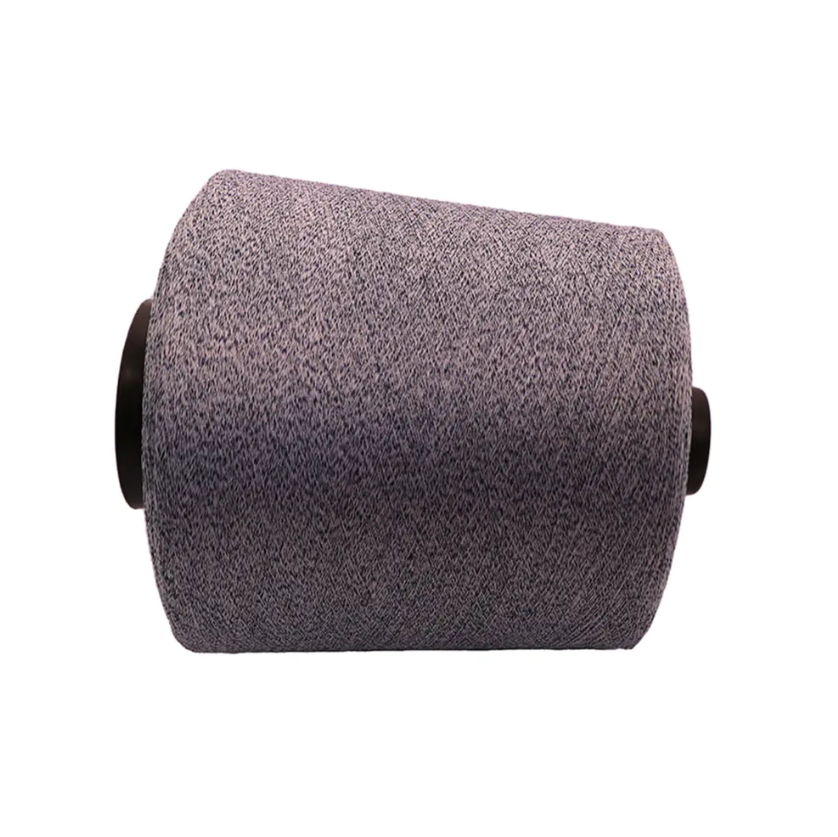
The hollow polyester filament for sportswear segment represents the highest-growth application area for this fiber type. The convergence of lightweight construction, thermal regulation, and active moisture management makes hollow polyester the material of choice for performance base layers, mid-layers, and technical outer shells in running, triathlon, outdoor, and team sport categories.
Thermal Regulation in Athletic Garments
Athletes generate heat and perspiration at rates that vary dramatically with exercise intensity, creating dynamic thermal management requirements. Hollow polyester filament for sportswear addresses this by providing passive thermal insulation during low-activity phases (warm-up, cool-down, rest) while maintaining active moisture transport during high-intensity exercise. The fiber's low thermal conductivity slows heat loss from the skin surface when perspiration rate decreases, while the capillary network remains active throughout, preventing the chilling effect of wet fabric contact — a phenomenon known as "wet chill" in performance textile engineering.
Layering System Integration
In multi-layer performance systems, hollow fiber polyester filament fabric serves different roles depending on layer position:
- Base layer: Fine-denier hollow filament (0.5–1.5 dpf) in tight single jersey; prioritizes moisture wicking and next-to-skin softness.
- Mid layer: Heavier hollow DTY fabric (150–300 g/m²); prioritizes thermal insulation via high-loft construction with multi-hole hollow filaments.
- Outer shell: Hollow filament woven constructions with DWR finishing; balances wind resistance, water repellency, and breathability.
Comparison: Hollow Polyester vs Down vs Solid Polyester in Insulation Applications
| Criterion | Hollow Polyester Filament | Duck/Goose Down | Solid Polyester Fill |
|---|---|---|---|
| Thermal Resistance (clo/g) | High | Very High | Moderate |
| Wet Performance | Good (retains insulation when wet) | Poor (collapses when wet) | Good |
| Compression Recovery | Good (85–92%) | Excellent | Fair (70–80%) |
| Washability | Machine washable | Requires specialist care | Machine washable |
| Allergen Risk | Hypoallergenic | Moderate (animal protein) | Hypoallergenic |
| Sustainability | Recyclable PET; rPET available | Animal welfare concerns | Recyclable PET |
| Cost | Low–Moderate | High | Low |
5. Sustainable Hollow Polyester Filament: Recycled and Eco Options
The sustainability profile of hollow polyester filament has become an increasingly critical procurement criterion, particularly for European and North American brand customers subject to Extended Producer Responsibility (EPR) regulations and voluntary sustainability commitments aligned with the UN SDGs. Two primary sustainability pathways are commercially established for hollow polyester:
Recycled PET (rPET) Hollow Filament
Recycled polyester hollow filament is produced from post-consumer PET bottle flake or post-industrial polyester fiber waste. The rPET chip is re-extruded and processed through hollow spinneret assemblies using the same melt-spinning technology as virgin PET. Certified rPET hollow filament carries third-party chain-of-custody certification (GRS — Global Recycled Standard; ISO 14021) and enables brands to claim recycled content in finished garments. rPET hollow filaments typically achieve 35–85% reduction in carbon footprint versus virgin PET, depending on the feedstock source and energy mix at the production site (Higg MSI methodology).
Bio-Based and Low-Carbon PET
Partially bio-based PET (using bio-MEG derived from sugarcane ethanol) is available from select suppliers and can be processed into hollow filament using standard spinning equipment. Bio-based content typically represents 20–30% of the polymer by mass. Full lifecycle assessment (LCA) shows a 15–25% reduction in global warming potential (GWP) versus 100% petroleum-derived PET.
6. Hollow Polyester Filament Applications by End Use
Hosiery and Sock Manufacturing
Hosiery is one of the primary end uses for hollow polyester filament and for the broader product portfolio of chemical fiber suppliers. In performance socks, hollow DTY yarn provides cushioning in the sole and heel panels while the moisture-transport characteristics keep the foot dry during extended wear. The yarn is used in 100% polyester constructions or in blends with nylon for improved abrasion resistance, or with cotton for natural-feel outer surfaces. Typical specifications for sock applications:
- Yarn count: 75D/72F – 150D/288F hollow DTY
- Texturing: False-twist drawn texturing (DTY process)
- Twist direction: S/Z intermingled for knitting compatibility
- Shrinkage: <3% BWS for dimensional stability in finished socks
Ribbon and Elastic Tape Weaving
Narrow fabric and ribbon weaving applications use hollow polyester filament as weft yarn to achieve lightweight, breathable tapes with good edge stability. The hollow construction reduces the linear density while maintaining coverage, enabling thinner, softer ribbons for lingerie, sportswear trim, and medical elastic bandaging.
Shoe Upper Fabrics (Flyknit / Flying Shoe Uppers)
The athletic footwear industry's adoption of engineered knit uppers (variously marketed as flyknit, primeknit, or engineered mesh) has created a high-value application segment for fine-denier hollow polyester filament. In these applications, the hollow filament contributes to shoe upper breathability and weight reduction while maintaining structural integrity under the tensile loads imposed by the 3D knitting or flat-knitting process. Typical yarn specifications for shoe uppers: 50D–75D FDY or low-shrinkage DTY, with precise dimensional control required.
Filtration and Technical Non-Wovens
Beyond apparel, hollow polyester filament finds application in air and liquid filtration media, where the hollow channel reduces fiber density while maintaining filtration efficiency through increased surface area and tortuosity of the fiber web. Melt-blown and spunbond non-wovens using hollow PET fibers are used in HVAC filters, automotive cabin air filters, and industrial dust collection applications.
7. Sourcing Hollow Polyester Filament: B2B Buyer Considerations
Quality Certification and Testing Standards
B2B buyers and wholesale procurement specialists should verify the following quality parameters when sourcing hollow polyester filament:
- Hollow void ratio consistency: Cross-section SEM or optical microscopy analysis; batch-to-batch HVR variation should be within ±3%.
- Linear density (denier) tolerance: ±2.5% per ISO 2060.
- Tenacity and elongation: Per ISO 2062; minimum tenacity of 3.5 cN/dtex for woven applications.
- Color fastness (for colored yarns): ISO 105-C06 (wash fastness); ISO 105-B02 (light fastness); minimum Grade 4 for standard end uses.
- OEKO-TEX Standard 100: Verification of freedom from harmful substances per Annex 6 of the standard; required by most European and North American brand customers.
- GRS (Global Recycled Standard): Required for recycled content claims.
Yarn Count and Package Specifications
Standard commercial package forms for hollow polyester filament yarn supplied to weaving and knitting mills include:
- Cheese packages: 1.0–2.5 kg net weight on paper tubes (standard for DTY)
- Cone packages: 1.5–5.0 kg net weight (for FDY warp applications)
- Warp beams: For direct weaving in large-volume orders
- Yarn count range available: 30D–600D total denier; filament count 12F–576F
8. About Zhuji Daxin Chemical Fiber Co., Ltd.
Company Profile and Manufacturing Capability
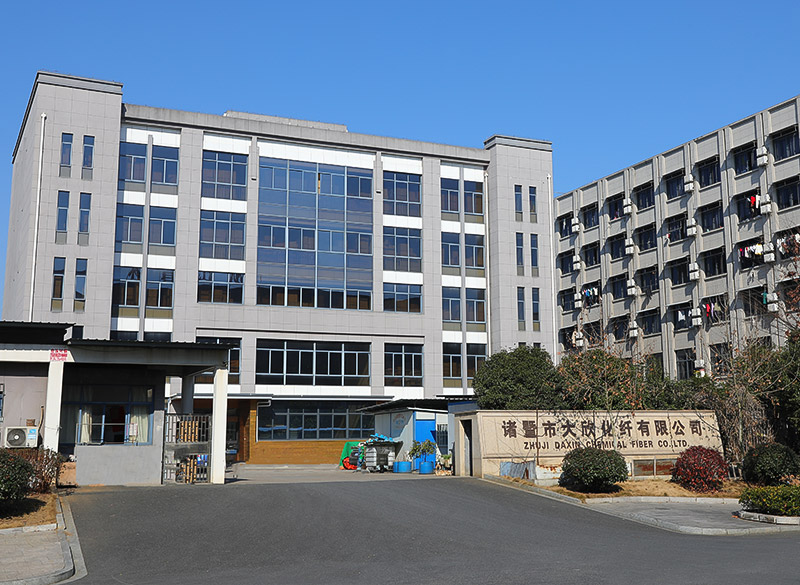
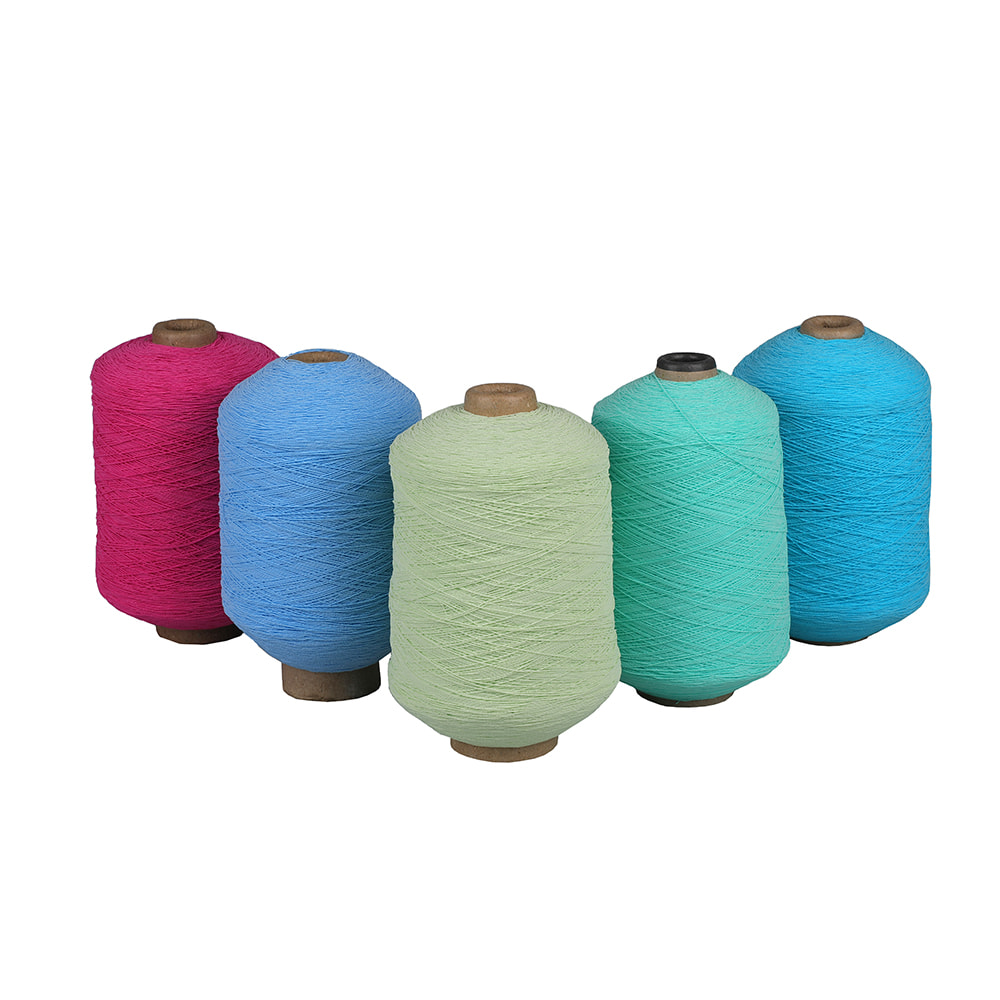
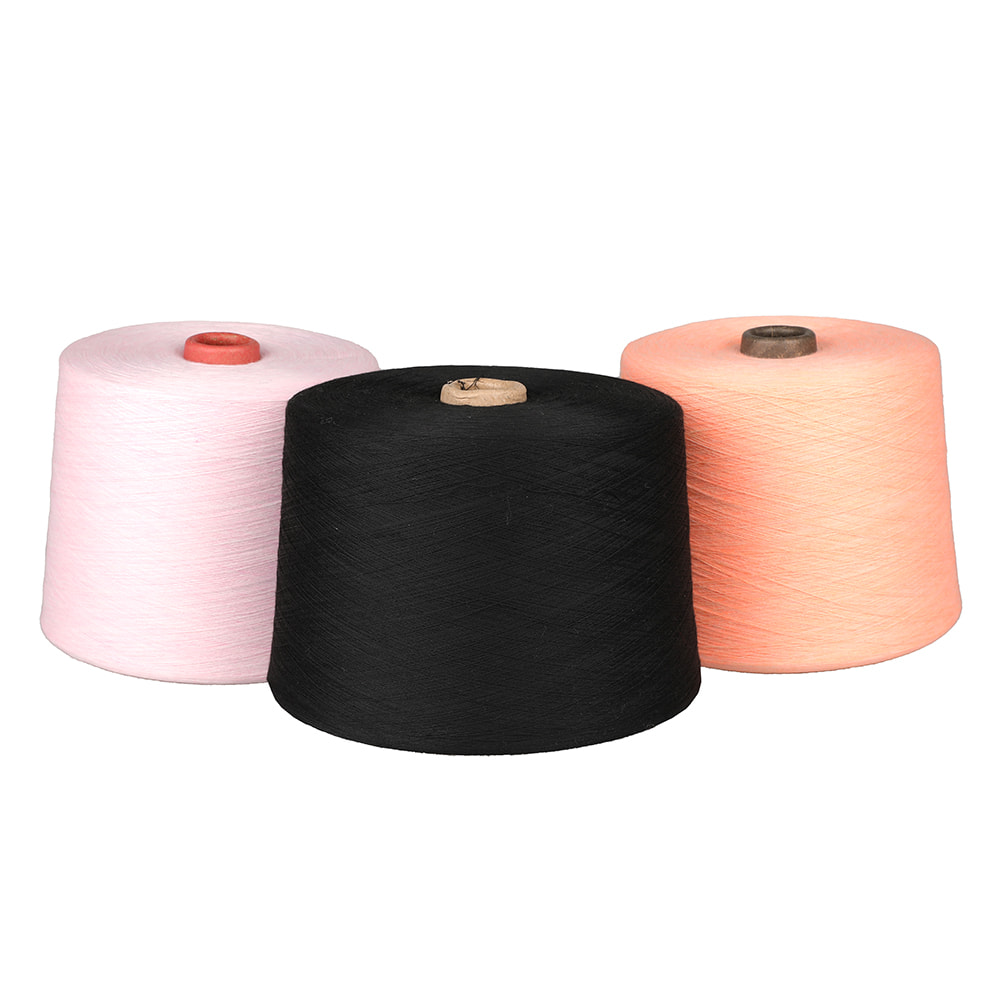
Zhuji Daxin Chemical Fiber Co., Ltd. was founded in 2011 and is headquartered in Zhuji City, Zhejiang Province, China — one of the world's most concentrated textile and chemical fiber manufacturing clusters. The company specializes in the production and sales of colored yarn and a comprehensive range of chemical fiber products. Its manufacturing facility covers an area of more than 50,000 square meters and is equipped with a variety of advanced production equipment, achieving a daily output capacity of more than 100 tons. The company maintains a color library of more than 2,000 color spot references, providing procurement teams with extensive customization flexibility for shade-matching requirements in branded garment production.
Product Portfolio
Zhuji Daxin's product range addresses the full spectrum of B2B chemical fiber requirements for the hosiery, ribbon, footwear, knitwear, and elastic fabric industries. Core products include:
- Color masterbatch
- Polyester POY filament
- Nylon high elastic yarn
- Imitation nylon high elastic yarn
- DTY high elastic yarn (including hollow polyester variants)
- Polyester high elastic yarn
- Polyester covered yarn
- Polyester sewing thread
- Polyester hot melt yarn
- Rubber thread
- Metal yarn and diamond flash yarn
End-Use Industries and Global Reach
Zhuji Daxin's products are utilized as raw materials for socks, ribbons, flying shoe uppers, woolen sweaters, sportswear, and elastic fabrics. The company has established an industrial supply chain spanning Europe, the Americas, Southeast Asia, and broader Asia-Pacific markets, having become a partner of choice for many well-known sock, shoe, and textile enterprises. This international distribution network — combined with the company's deep product development capabilities and large color range — positions Zhuji Daxin as a reliable single-source supplier for brands and manufacturers requiring consistent quality, color accuracy, and responsive delivery schedules in hollow polyester filament and specialty yarn procurement.
9. Frequently Asked Questions (FAQ)
Q1: What is the difference between hollow polyester filament and regular polyester filament?
Hollow polyester filament contains one or more longitudinal air channels running through the center of each filament, whereas regular (solid) polyester filament has a completely filled cross-section. This structural difference gives hollow filament a lower weight per unit length, higher thermal insulation per gram, superior moisture-wicking capability, and greater bulk and softness compared to solid polyester of equivalent outer diameter. The tradeoff is a slightly lower tensile tenacity and a modest cost premium due to the more complex spinneret technology required in production.
Q2: What are the main hollow polyester filament yarn properties that matter for sportswear?
For sportswear applications, the most critical hollow polyester filament yarn properties are moisture-wicking rate, drying speed, thermal insulation value, fabric weight, and compression resilience. Multi-hole hollow filament constructions (4DG or 7DG cross-sections) offer the best combination of high wicking rate (80–140 mm/min) and thermal insulation for active athletic use. Yarn linear density should be matched to the fabric weight target: 50D–75D for lightweight performance fabrics; 100D–150D for mid-layer thermal constructions.
Q3: Can hollow fiber polyester filament fabric be dyed to deep shades?
Yes, hollow fiber polyester filament fabric can be dyed to deep shades using standard disperse dyeing at 130°C under pressure. However, because the hollow filament has less polymer surface per unit length than solid filament, achieving equivalent depth of shade requires approximately 10–20% higher dye concentration or an extended dye cycle time of 15–30 minutes relative to solid polyester. High-energy disperse dyes are preferred for deep shades on hollow polyester to achieve acceptable wash fastness (ISO 105-C06 Grade 4 minimum).
Q4: Is recycled (rPET) hollow polyester filament available, and how does it compare to virgin hollow polyester?
Yes, certified rPET hollow polyester filament is commercially available and carries GRS (Global Recycled Standard) certification for chain-of-custody traceability. The physical performance of rPET hollow filament — tenacity, hollow void ratio, moisture management — is comparable to virgin PET hollow filament when produced from high-quality bottle-grade rPET chip with consistent IV. The primary distinction is a 35–85% reduction in carbon footprint (Higg MSI methodology), making rPET hollow filament the preferred choice for brand customers with science-based emissions reduction targets.
Q5: What minimum order quantities (MOQ) and lead times should B2B buyers expect when sourcing hollow polyester filament?
MOQ and lead time parameters for hollow polyester filament vary by supplier scale, color complexity, and yarn specification. For standard natural white or light-shade hollow DTY or FDY, established Chinese chemical fiber manufacturers typically offer MOQs of 500–2,000 kg per color per specification with lead times of 15–30 days from order confirmation. Custom colors (matched to Pantone, RAL, or customer color standards) typically require 3–7 days for color development samples and an additional 20–30 days for bulk production. Buyers should request a Certificate of Analysis (CoA) covering IV, tenacity, denier, HVR, and BWS for each production batch as part of the standard quality documentation package.
References
- Gupta, V.B. & Kothari, V.K. (Eds.) (1997). Manufactured Fibre Technology. Chapman & Hall, London. ISBN 978-0-412-54030-3.
- Morton, W.E. & Hearle, J.W.S. (2008). Physical Properties of Textile Fibres, 4th Edition. Woodhead Publishing, Cambridge. ISBN 978-1-84569-220-9.
- ISO 2062:2009 — Textiles: Yarns from Packages: Determination of Single-End Breaking Force and Elongation at Break Using Constant Rate of Extension (CRE) Tester. ISO, Geneva.
- ASTM D1907 / D1907M — Standard Test Method for Linear Density of Yarn (Yarn Number) by the Skein Method. ASTM International, West Conshohocken, PA.
- AATCC Test Method 197-2013 — Vertical Wicking of Textiles. American Association of Textile Chemists and Colorists, Research Triangle Park, NC.
- ISO 17617:2014 — Textiles: Determination of the Drying Rate of Textiles at Ambient Conditions. ISO, Geneva.
- Higg Materials Sustainability Index (MSI), Version 3.0. Sustainable Apparel Coalition, San Francisco, 2019. Available at: https://apparelcoalition.org/the-higg-index/
- Global Recycled Standard (GRS), Version 4.0. Textile Exchange, Lamesa, TX, 2017. Available at: https://textileexchange.org/standards/recycled-claim-standard-global-recycled-standard/
- OEKO-TEX Standard 100, Edition 2024. OEKO-TEX Association, Zurich. Available at: https://www.oeko-tex.com/en/our-standards/oeko-tex-standard-100
- Hearle, J.W.S., Grosberg, P. & Backer, S. (1969). Structural Mechanics of Fibres, Yarns, and Fabrics, Vol. 1. Wiley-Interscience, New York.