English
 中文简体
中文简体 Español
Content
- 1 1. Core Definition: What Makes This Yarn "High Elastic"?
- 2 2. Engineered for Performance: Primary Applications and Advantages
- 3 3. The Color and Customization Advantage
- 4 4. Sustainable Innovation: The Green Evolution of Elastic Yarn
- 5 5. Sourcing for Success: Finding the Right Manufacturing Partner
- 6 FAQ
- 6.1 How does the elasticity of high-elastic polyester yarn compare to yarns blended with spandex (elastane)?
- 6.2 What are the typical minimum order quantities (MOQs) for custom color yarns?
- 6.3 How is the elasticity and strength of the yarn tested and certified?
- 6.4 What are the current trends driving innovation in high-elastic polyester yarn?
1. Core Definition: What Makes This Yarn "High Elastic"?
At its core, high elastic polyester yarn is an engineered synthetic fiber distinguished by its exceptional ability to stretch significantly and recover its original shape without permanent deformation. This property, known as high elongation and elastic recovery, is not inherent to standard polyester but is achieved through advanced mechanical and thermal processing of the polymer. The primary technology behind this is false-twist texturing, which transforms smooth, straight polyester filaments into a coiled, spring-like structure. This permanent crimp and loop formation within the yarn are what allow it to stretch under tension and then spring back when the force is released, providing both flexibility and durability that outperforms many natural fibers and untextured synthetics.
- Material Science Foundation: The process begins with partially oriented polyester polymer. Through precise heating, twisting, and cooling stages, the molecular chains are permanently set into a helical configuration, creating internal stresses that facilitate stretch and recovery.
- Key Performance Metrics: Critical specifications include Elastic Recovery (percentage of stretch from which it fully returns, often >90%), Tenacity (strength per unit density to prevent breakage), and Durability (resistance to degradation from repeated stretching, washing, and UV exposure).
- Comparative Advantage: Unlike elastane (spandex), which provides extreme stretch via a rubber-like component, high-elastic polyester achieves its elasticity through physical structure, often resulting in better strength, heat resistance, and compatibility with dyeing processes.
2. Engineered for Performance: Primary Applications and Advantages
The unique properties of high elastic polyester yarn make it the material of choice for a range of demanding applications where comfort, fit, and long-term performance are non-negotiable. Its dominance is particularly pronounced in sectors that require fabrics to move dynamically with the human body while maintaining their shape and structural integrity over countless cycles of use and cleaning. The ability to provide consistent support and freedom of movement has cemented its role as a foundational material in modern technical apparel and beyond.
The Foundation of Activewear: Why High Stretch Polyester Yarn for Socks and Sportswear Dominates
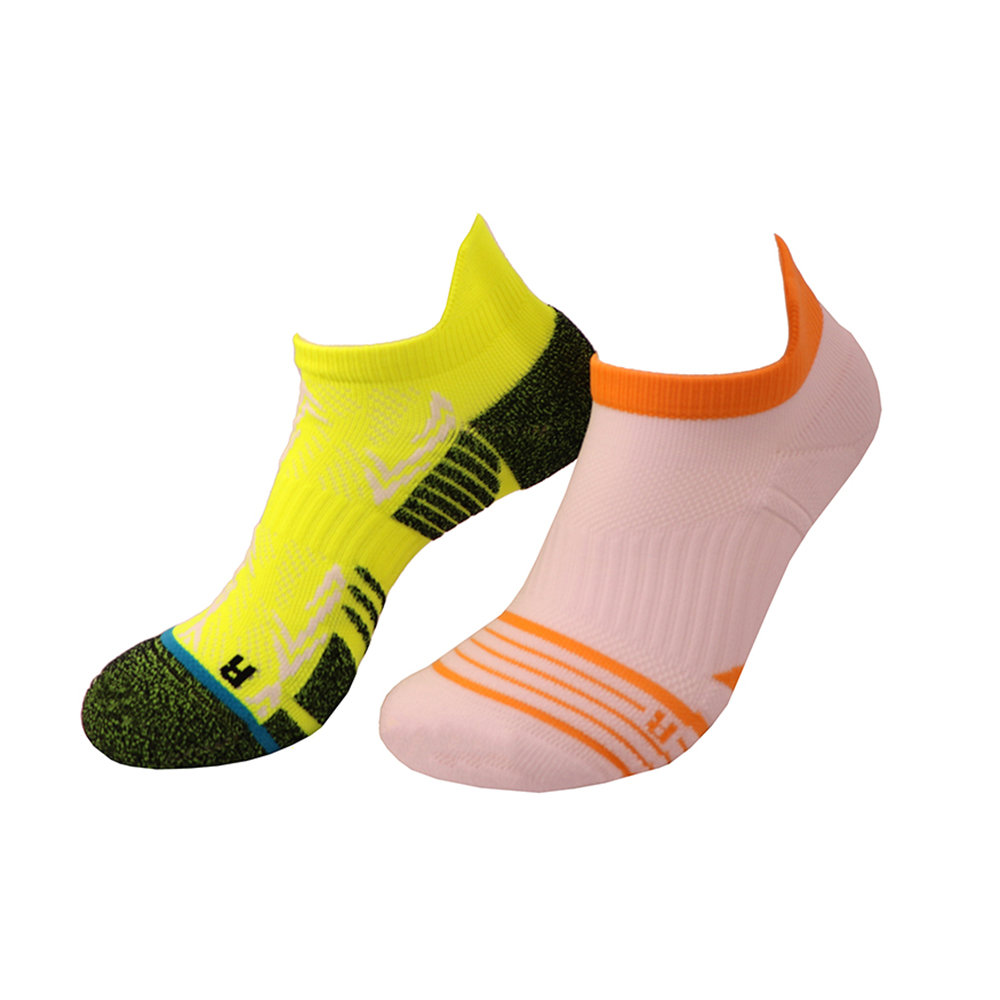
In the realm of performance apparel, high stretch polyester yarn for socks and sportswear is unparalleled. For socks, it provides the necessary expansion and contraction to fit various foot sizes comfortably, reduces bagging at the ankle and heel, and enhances moisture-wicking by maintaining close contact with the skin. In sportswear, such as compression gear, leggings, and athletic tops, this yarn enables a second-skin fit that supports muscles, reduces fatigue, and allows for a full range of motion without restricting the athlete. Its excellent colorfastness and resistance to sweat and frequent washing ensure the garment maintains its aesthetic and functional qualities throughout its lifespan.
Beyond Apparel: Industrial and Technical Textile Uses
The application of this advanced yarn extends far beyond the wardrobe. In technical textiles, a specialized variant known as low shrinkage high tenacity polyester filament yarn is critical. Its combination of minimal dimensional change under heat or stress and exceptional strength makes it ideal for demanding industrial applications. These include woven and knitted reinforcements in composite materials, technical backings for automotive interiors, and specialized belts and hoses where stability under load is paramount. This highlights the material's versatility, serving both consumer comfort and industrial rigor with equal efficacy.
| Application Sector | Key Requirements Met by High Elastic Polyester Yarn | End-Product Examples |
| Performance Sportswear & Socks | Dynamic stretch, shape retention, moisture management, durability. | Compression tights, running tops, athletic socks, cycling jerseys. |
| Fashion & Casual Knitwear | Improved drape, comfortable fit, wrinkle resistance, easy care. | Fitted t-shirts, dresses, leggings, sweater knits. |
| Medical & Support Textiles | Controlled compression, biocompatibility, washability. | Graduated compression stockings, supportive braces, orthopedic sleeves. |
| Technical & Industrial Fabrics | High strength-to-weight ratio, dimensional stability, resistance to abrasion. | Industrial sewing threads, composite material substrates, technical reinforcements. |
3. The Color and Customization Advantage
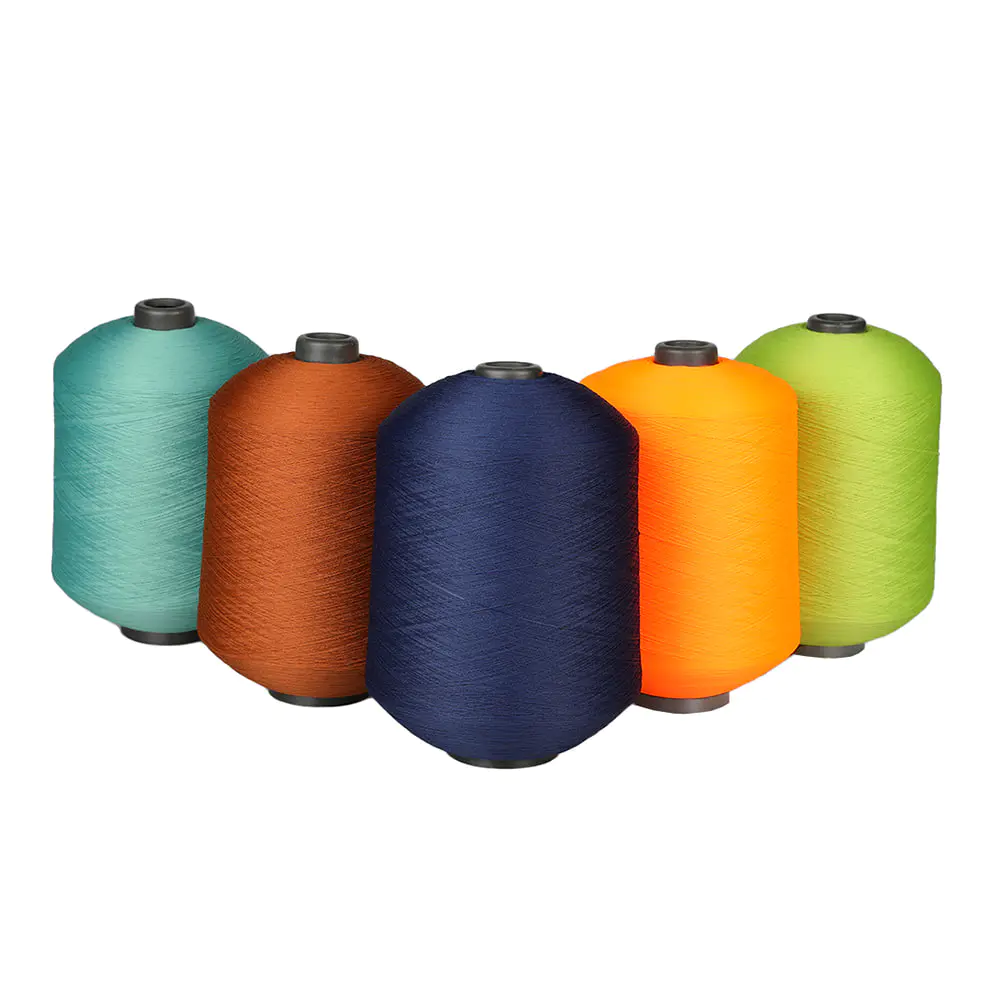
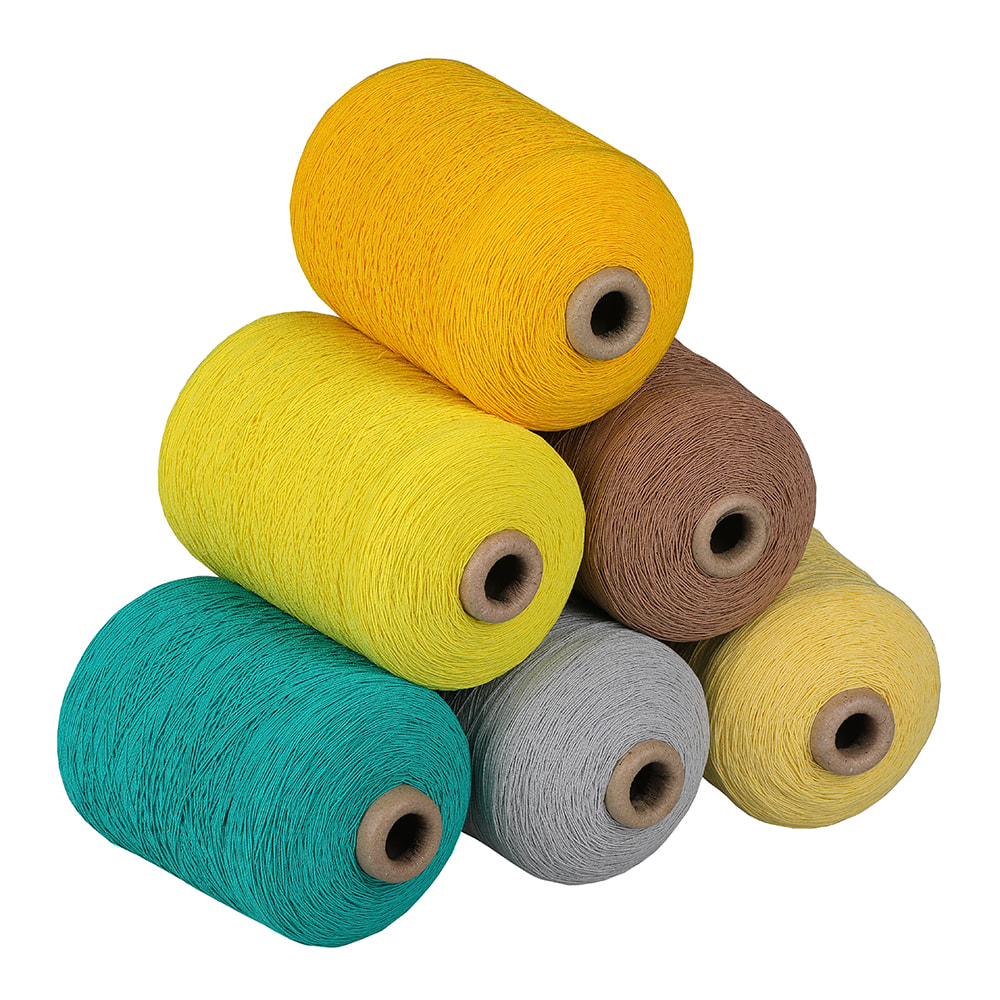
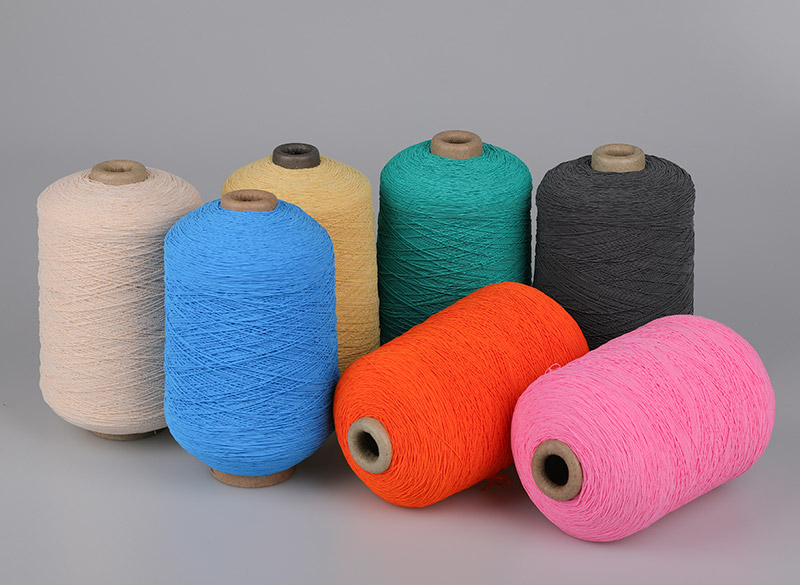
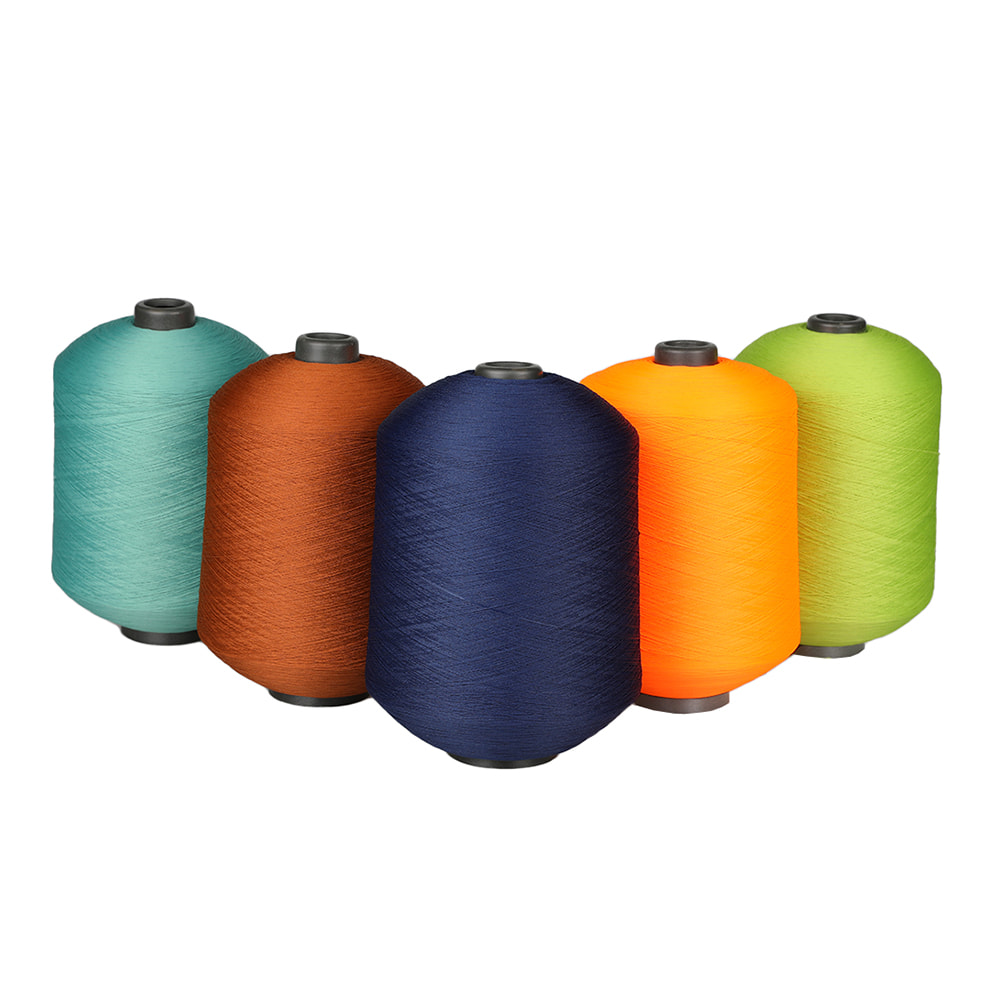
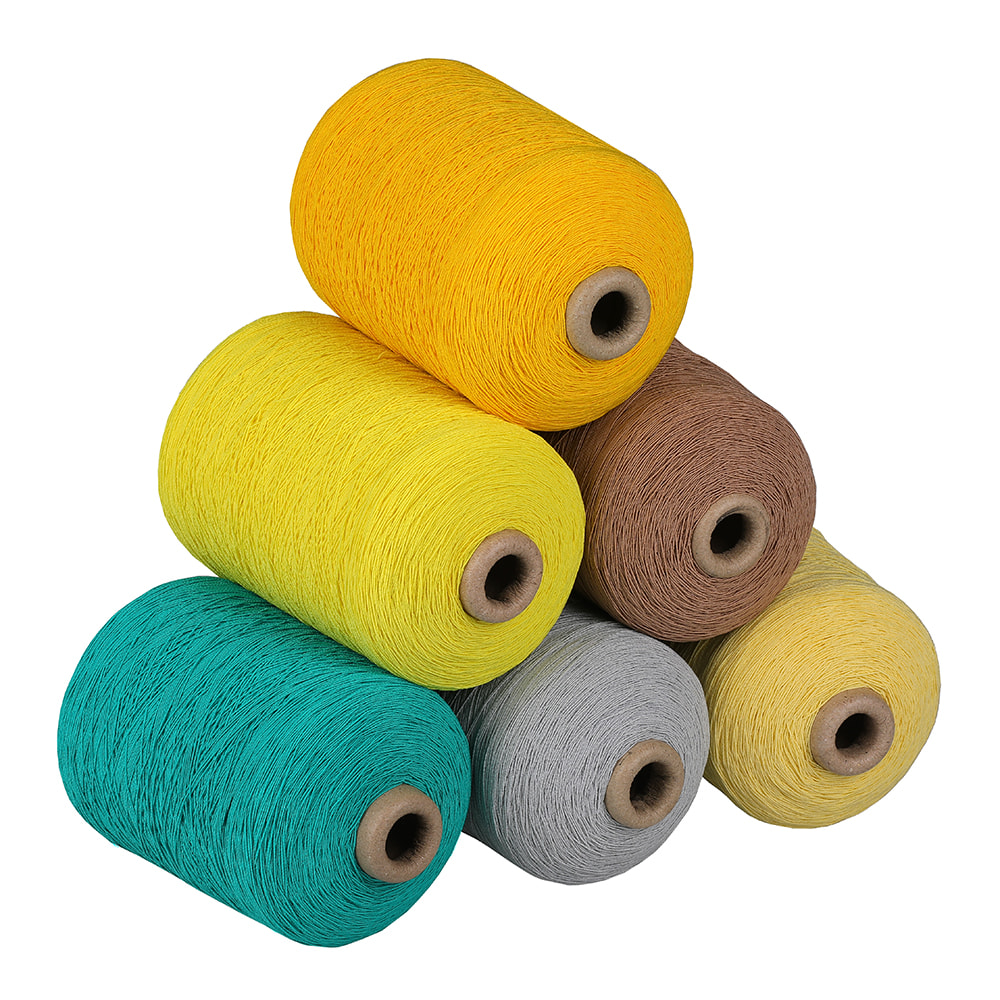
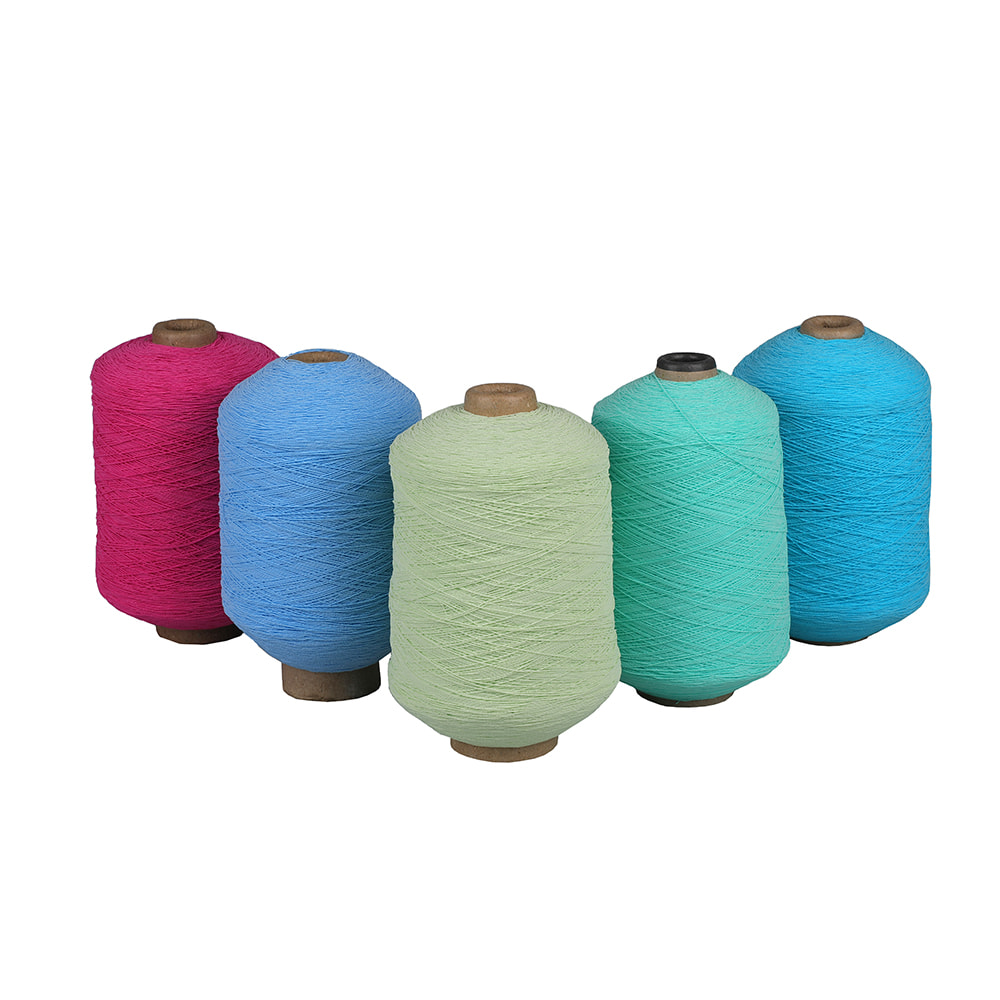
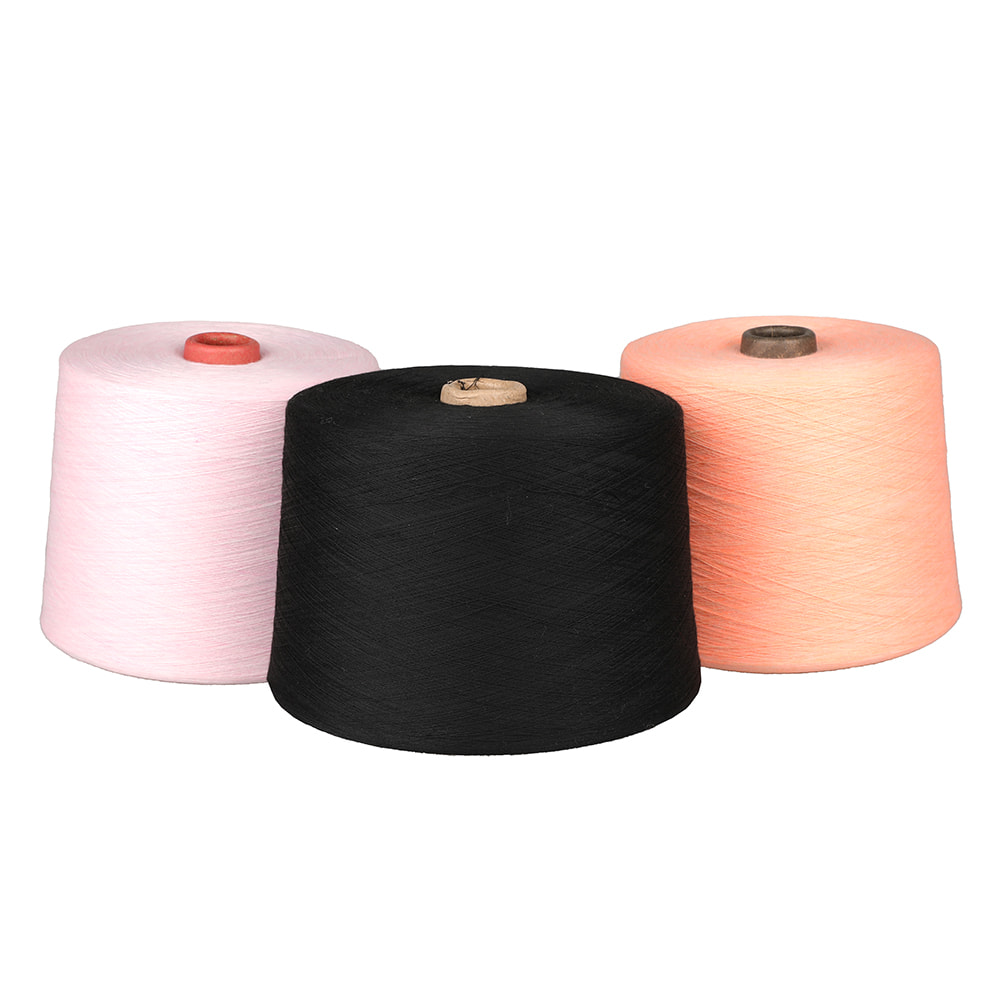
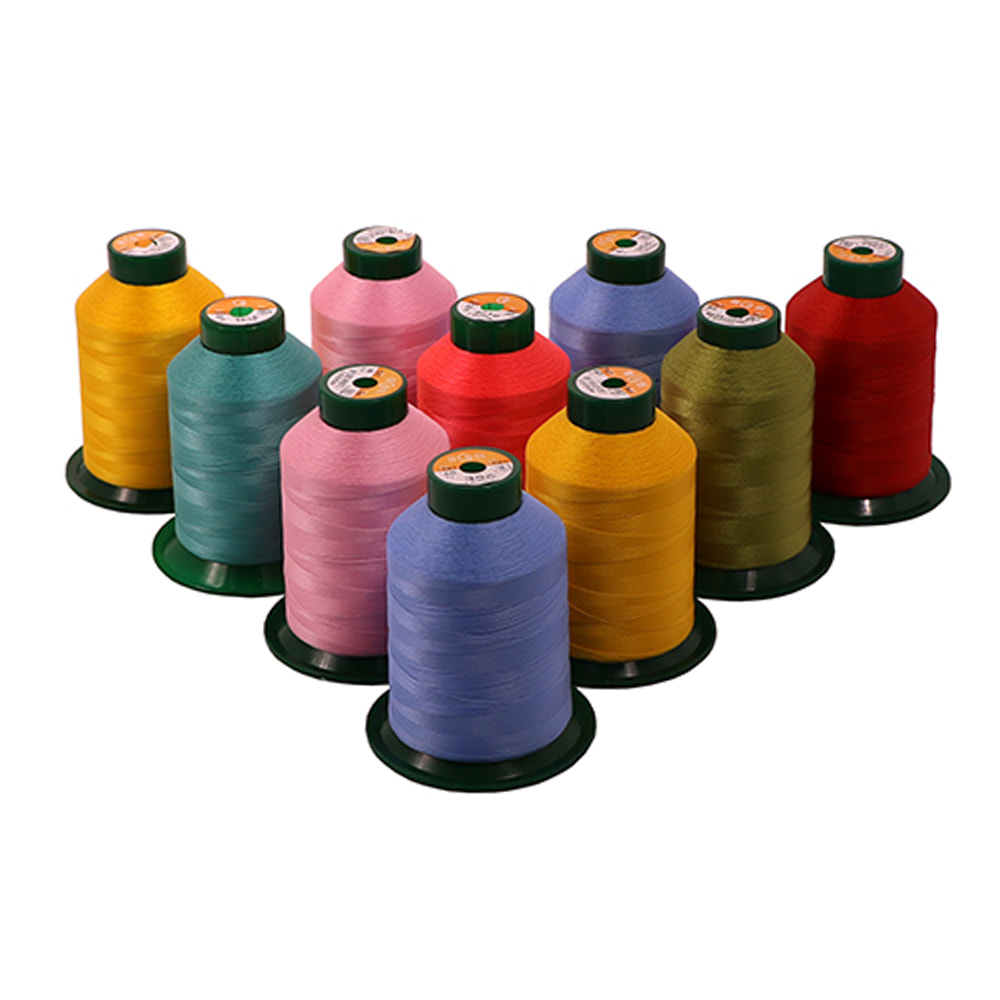
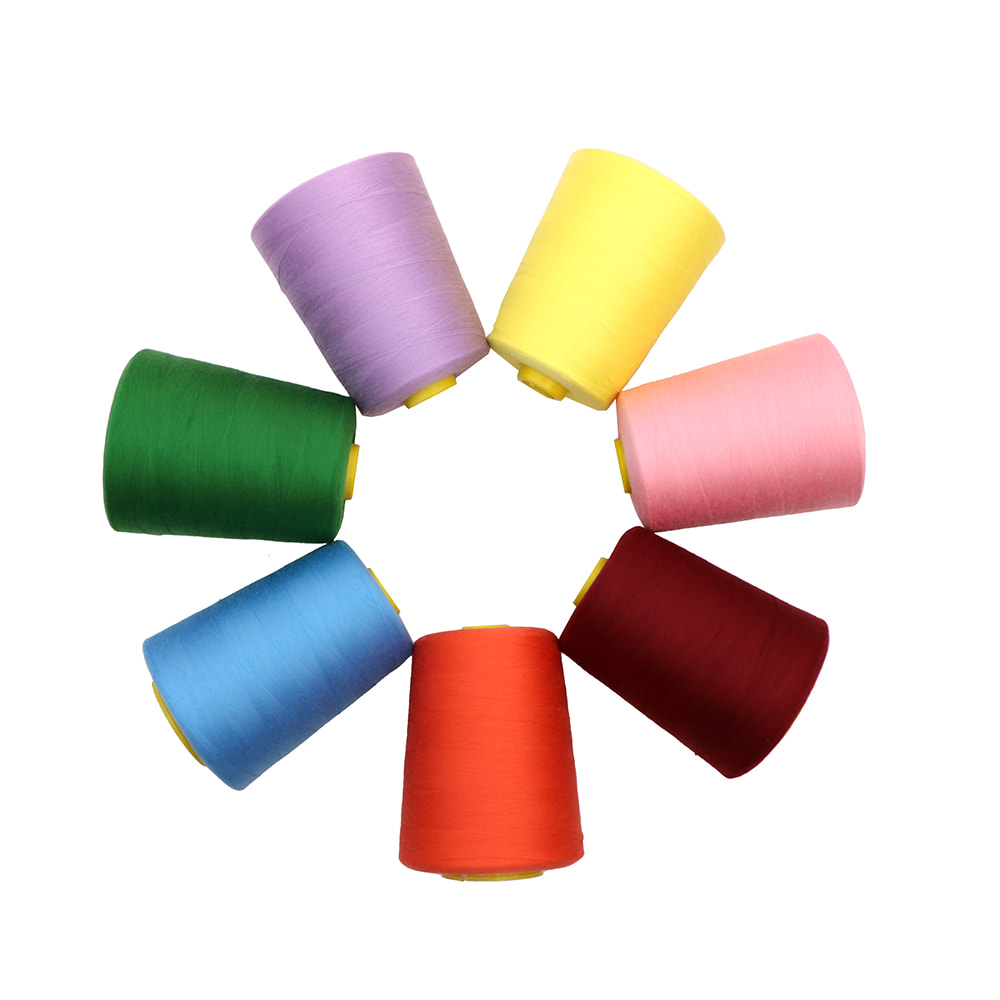
For brands and large-scale manufacturers, the ability to create a unique product identity is crucial. This is where the customization capabilities of high elastic polyester yarn become a significant competitive advantage. The process begins with placing a custom color polyester elastic yarn bulk order, which allows brands to match specific Pantone shades or develop proprietary colors that define their seasonal collections. The polyester substrate is exceptionally receptive to a wide range of dyes, enabling vibrant, rich, and consistent coloration that is difficult to achieve with many other elastic fibers.
- The Dyeing Process: High-elastic polyester yarns are typically dyed using disperse dyes under high temperature and pressure. This ensures the dye molecules penetrate deeply into the fiber, resulting in excellent colorfastness—resistance to fading from washing, light (UV exposure), and perspiration.
- Consistency Across Batches: Professional yarn manufacturers employ sophisticated color management and laboratory dyeing controls to ensure that the color specified in the first sample is replicated perfectly across every subsequent bulk production run, which is essential for large apparel orders.
- Beyond Color: Customization can also extend to yarn denier (thickness), luster (bright, semi-dull, dull), and even the incorporation of functional additives during the spinning process for properties like UV protection or antimicrobial effects.
4. Sustainable Innovation: The Green Evolution of Elastic Yarn
The global textile industry is undergoing a profound shift towards circularity and reduced environmental impact. In response, the market for eco-friendly recycled polyester stretch yarn wholesale is experiencing rapid growth. This innovative material is produced by processing post-consumer plastic waste, such as PET bottles, into high-quality chips that are then spun into elastic yarn with performance characteristics rivaling those of virgin polyester. By opting for recycled content, brands significantly reduce their reliance on petroleum-based raw materials and divert plastic waste from landfills and oceans, aligning product performance with environmental responsibility.
- From rPET to Performance: Advanced mechanical and chemical recycling technologies now allow for the production of recycled polyester (rPET) that meets the high purity and consistency standards required for false-twist texturing. The resulting high elastic polyester yarn maintains excellent elasticity, strength, and dyeability.
- Certifications and Traceability: Reputable suppliers provide certifications such as the Global Recycled Standard (GRS) or Recycled Claim Standard (RCS), which verify the recycled content and offer transparency throughout the supply chain, a key demand from conscious consumers and corporate sustainability mandates.
- Closing the Loop: This evolution represents a critical step towards a circular economy, allowing for the creation of high-performance, elastic textiles without the need for new fossil fuel extraction, thereby lowering the carbon footprint of the final garment.
5. Sourcing for Success: Finding the Right Manufacturing Partner
The journey from concept to finished product hinges on a reliable supply chain. Identifying a proficient supplier of textured polyester yarn for weaving and knitting is a strategic decision. A true partner should offer more than just a product catalog; they should possess deep technical expertise to guide yarn selection based on the intended fabric construction—whether it's a fine-gauge circular knit for lightweight apparel or a robust warp knit for technical applications.
- Evaluating Technical Support: A quality supplier will have a dedicated technical team capable of providing consultation on yarn specifications, sharing knowledge on optimal knitting or weaving parameters, and troubleshooting potential production issues.
- Assessing Consistency and Capacity: Consistent yarn quality in terms of denier, elasticity, and dye uptake is paramount for seamless bulk production. The supplier should demonstrate robust quality control systems and have the production capacity to meet your order timelines and volume requirements reliably.
- Value-Added Services: Look for suppliers who offer comprehensive services such as in-house laboratory testing for key performance indicators, the ability to produce and approve counter-samples before bulk production, and flexible logistics solutions. This holistic approach transforms a simple transaction into a valuable partnership.
FAQ
How does the elasticity of high-elastic polyester yarn compare to yarns blended with spandex (elastane)?
Both provide excellent stretch, but through different mechanisms and with different performance profiles. Spandex is a rubber-based fiber offering extremely high elongation (500-700%) but lower strength. It is often blended (3-20%) with other fibers to impart stretch. High elastic polyester yarn achieves its elasticity (typically 30-50% elongation for high-stretch variants) through its physical textured structure, offering greater tensile strength, better heat and chemical resistance (important for dyeing and finishing), and often superior durability against abrasion and UV light. For many applications, especially where strength and color vibrancy are priorities, 100% textured polyester can be a more robust and cost-effective solution than a blend.
What are the typical minimum order quantities (MOQs) for custom color yarns?
MOQs for custom color polyester elastic yarn bulk order vary significantly between suppliers and depend on the complexity of the color and the yarn specification. For large, established mills, MOQs can start from 500 kilograms per color. For more specialized or smaller manufacturers, the MOQ might be lower, sometimes around 100-200 kilograms. The cost is influenced by the dyeing setup; creating a new, unique color has a fixed cost that is amortized over the order quantity, so larger orders reduce the cost per kilogram. It's always advisable to discuss color requirements and volume forecasts transparently with potential suppliers to find a feasible and economical solution.
How is the elasticity and strength of the yarn tested and certified?
Professional yarn manufacturers conduct rigorous testing according to international standards. Key tests include:
- Elongation and Recovery: Tested on instruments like a tensile tester, measuring the force required to stretch the yarn a certain percentage and its ability to return to its original length.
- Tenacity: Measured as the force (in centinewtons, cN) required to break the yarn, divided by its linear density (tex or denier), giving a strength value independent of thickness.
- Thermal Shrinkage: Crucial for low shrinkage high tenacity variants, measuring the percentage the yarn contracts when exposed to boiling water or dry heat.
Reputable suppliers provide test reports for each batch, and some may have their quality management systems certified to standards like ISO 9001, ensuring consistent, documented procedures.
What are the current trends driving innovation in high-elastic polyester yarn?
The market is being shaped by several interconnected trends:
- Demand for Sustainable Materials: As discussed, the push for eco-friendly recycled polyester stretch yarn is paramount, with brands seeking higher percentages of recycled content without sacrificing performance.
- Seamless Technology: The growth of seamless knitting, which creates entire garments with minimal seams, requires yarns with exceptionally consistent elasticity and low shrinkage to ensure uniform fabric quality and fit on circular knitting machines.
- Multi-Functionality: Development of yarns with built-in additional properties, such as inherent odor control, enhanced moisture-wicking, or thermoregulation, is increasing, moving beyond basic stretch to offer comprehensive performance solutions.