English
 中文简体
中文简体 Español
Content
In the highly competitive and demanding world of industrial manufacturing and textile production, the choice of sewing thread is a critical decision that directly influences the durability, aesthetics, and longevity of the final product. Among the myriad of options available to designers and engineers, the ultra dee bonded polyester thread has emerged as a superior solution for applications requiring exceptional strength and resistance to friction. Unlike standard sewing threads that may fray or break under tension, bonded thread undergoes a specialized coating process where a protective resin is applied to the fibers. This bonding process locks the filaments together, transforming the thread into a single, cohesive unit capable of withstanding the rigorous demands of high-speed sewing machines and heavy-duty materials. Whether it is for upholstery, automotive interiors, footwear, or heavy leather goods, the integrity of every stitch is paramount. A weak seam can lead to product failure, resulting in costly returns and damage to a brand's reputation. Therefore, understanding the technical advantages and specific applications of this specialized thread is essential for manufacturers aiming to deliver premium quality products that stand the test of time.
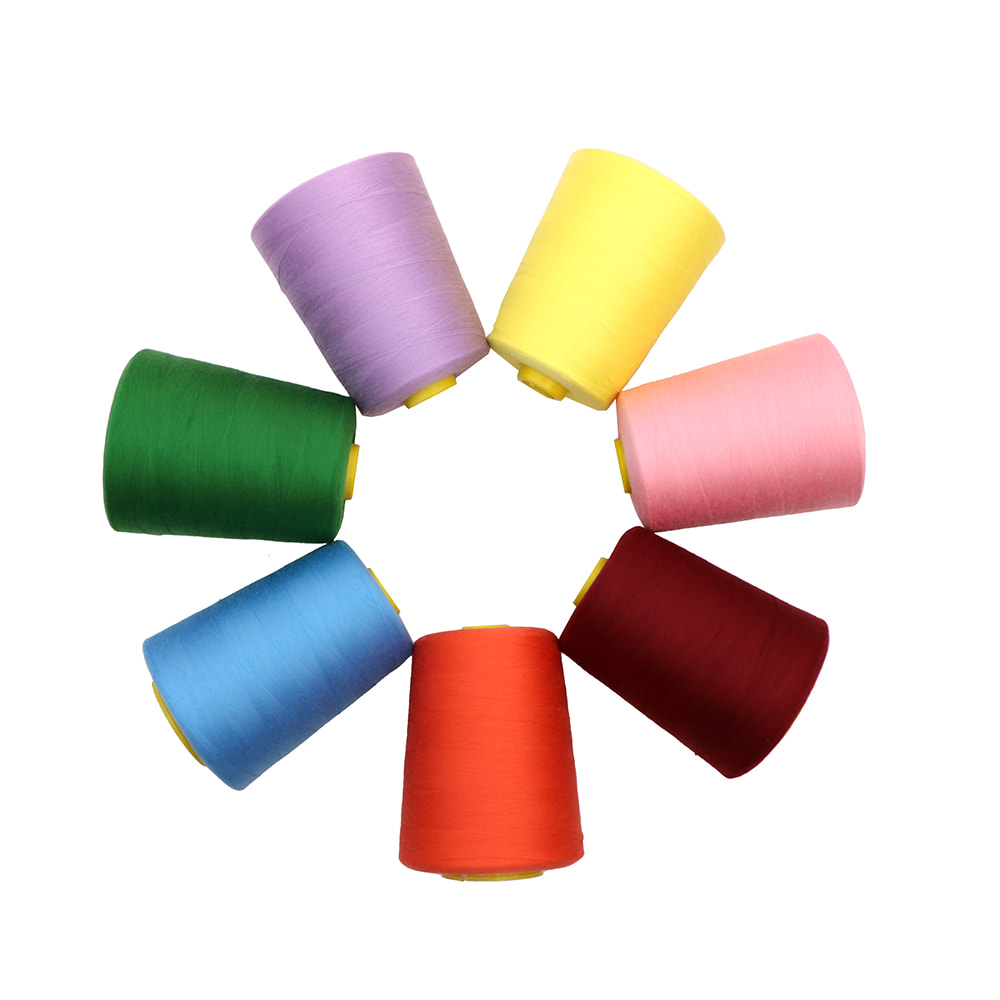
Understanding the Strength of Ultra Dee Bonded Polyester Thread
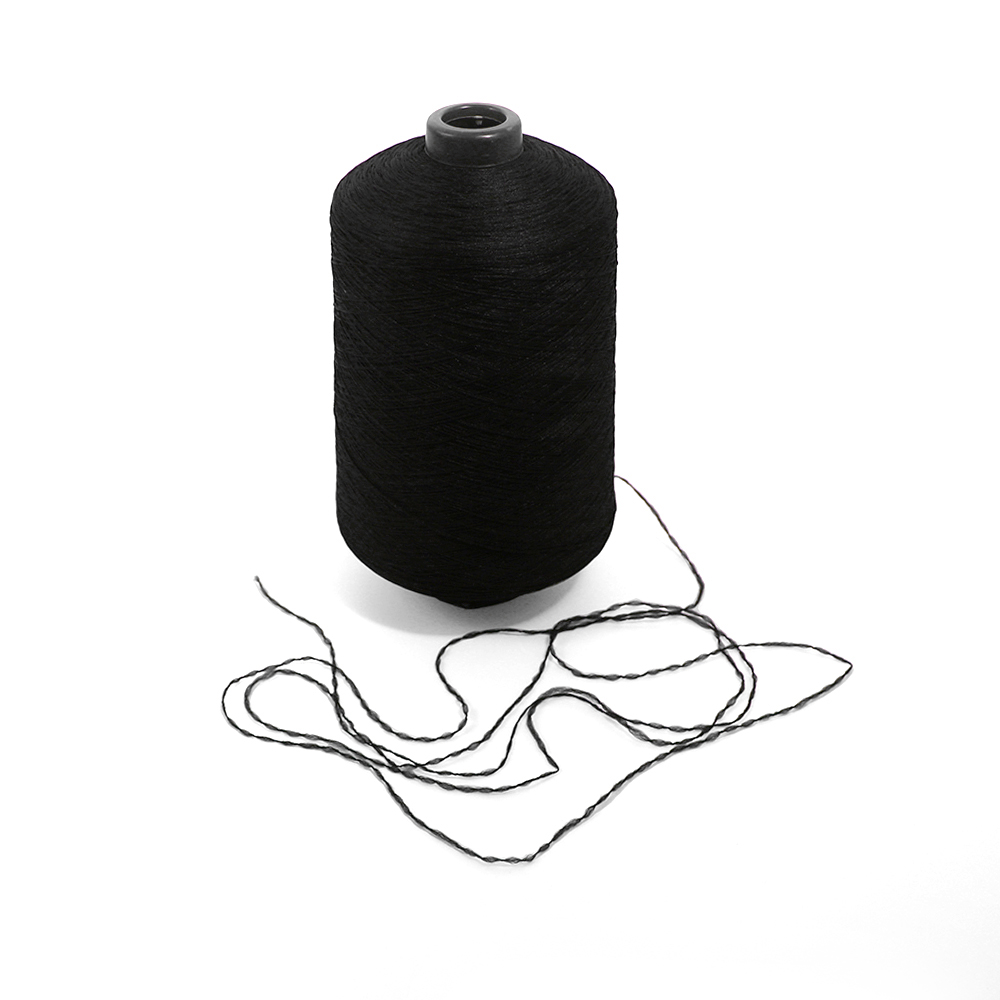
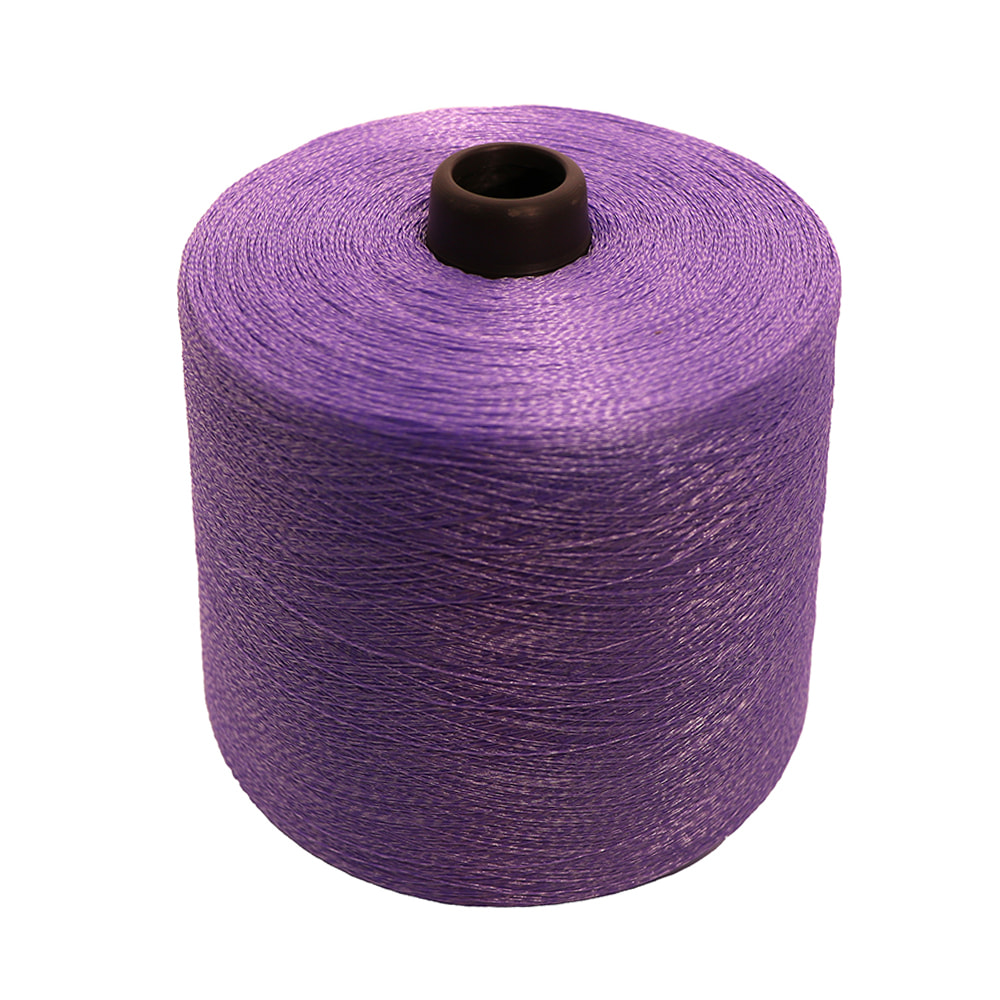
The construction of ultra dee bonded polyester thread sets it apart from conventional threads through a unique manufacturing process that enhances its performance characteristics. Essentially, this thread is made from high-tenacity continuous filament polyester that has been treated with a special resin or bonding agent. This coating penetrates the fibers and dries to form a hard, protective shell around the strand. The primary purpose of this bonding is to prevent the thread from fraying at the needle eye, a common issue with soft, twisted threads that causes breakage and downtime in sewing operations. The bonded nature of the thread provides a smooth surface that glides effortlessly through fabrics, reducing friction and the heat generated by high-speed sewing needles. For manufacturers, this translates to fewer thread breaks, increased machine efficiency, and a higher quality of stitching. Furthermore, polyester is inherently resistant to UV rays, mildew, and most chemicals, ensuring that seams remain strong even when exposed to harsh environmental conditions.
What is Heavy Duty Bonded Polyester Thread?
When we discuss a heavy duty bonded polyester thread, we are referring to a category of thread designed specifically for high-stress applications where the seam must bear significant weight or tension. This type of thread is characterized by its superior tensile strength and abrasion resistance compared to standard sewing threads. It is commonly utilized in industries such as leatherworking, saddlery, canvas manufacturing, and automotive seating. The "heavy duty" designation often implies a thicker denier or tex size, meaning the thread is physically larger and stronger. However, the bonding agent is what truly allows the thread to perform in these heavy-duty scenarios by preventing the filaments from separating under load. Without the bonding process, a thick polyester thread could still be prone to fuzzing and breaking when sewn through tough materials like leather or multiple layers of canvas.
- High Tensile Strength: Capable of withstanding significant pulling force without snapping.
- Friction Resistance: Coated surface minimizes heat and wear against the machine needle.
- Fray Prevention: Resin coating locks fibers together to prevent unraveling at the needle eye.
- Chemical Stability: Resists damage from oils, acids, and alkalis found in industrial environments.
The Role of High Tenacity Polyester Sewing Thread
The concept of "tenacity" in the context of high tenacity polyester sewing thread refers to the specific strength of the fiber, measured in grams per denier. High tenacity indicates that the fibers have been drawn and stretched during the manufacturing process to align the polymer molecules, thereby maximizing their strength-to-weight ratio. This type of thread is engineered to perform under dynamic loads where the seam is subject to constant stretching or movement. It is the preferred choice for performance apparel, safety harnesses, and industrial filters. The use of high tenacity fibers ensures that the thread does not elongate permanently under stress, maintaining the shape and integrity of the sewn product. When this high tenacity is combined with a bonding process, the result is a thread that offers the ultimate in durability and reliability.
Tensile Strength and Durability
Tensile strength is the most critical metric for evaluating sewing thread performance. High tenacity polyester sewing thread exhibits a breaking strength that far exceeds that of cotton or nylon threads. This durability is essential for products that will be subjected to rough use, such as outdoor gear, luggage, and workwear. The ability to retain strength after exposure to sunlight and abrasion further enhances the lifespan of the manufactured goods.
| Thread Type | Tensile Strength | Elongation | UV Resistance |
| Bonded Polyester | Very High | Low to Medium | Excellent |
| Nylon | High | High | Poor (degrades in UV) |
| Cotton | Medium | Low | Good |
| Kevlar/Aramid | Extreme | Very Low | Excellent |
Resistance to Abrasion and Chemicals
Beyond just strength, a heavy duty bonded polyester thread must withstand the rigors of its operating environment. Polyester fibers are naturally hydrophobic, meaning they do not absorb water readily, which prevents rot and mildew. Additionally, the bonding resin adds an extra layer of protection against abrasion. When sewn into products like awnings or marine covers, the thread is constantly buffeted by wind and rain. The resin coating ensures that the fibers do not fray, which is often the starting point for seam failure. Furthermore, polyester is highly resistant to common chemicals, making it suitable for use in industrial bags, tarpaulins, and geotextiles.
| Environmental Factor | Bonded Polyester | Nylon |
| Mildew/Rot | Highly Resistant | Resistant |
| Acid Exposure | Highly Resistant | Weakened |
| Alkali Exposure | Moderately Resistant | Highly Resistant |
| UV Sunlight | Highly Resistant | Poor |
Specialized Applications for Superior Seams
The choice of thread is rarely a one-size-fits-all decision. Different materials impose different challenges on the sewing process. For example, sewing through heavy leather requires a thread that is smooth enough to cut through the material without dragging, yet strong enough not to snap when the needle bends. Conversely, sewing lightweight synthetic fabrics for sportswear requires a thread that stretches slightly with the fabric without puckering. Ultra dee bonded polyester thread serves a wide spectrum of these specialized applications, proving its versatility across various industries. From the fashion runway to the factory floor, the consistency and quality of the thread determine the final look and feel of the product.
Why Choose Bonded Polyester Thread for Leather?
Leather is a dense, non-flexible material that presents significant challenges for needle and thread. When stitching leather, the friction generated between the thread and the material is immense. Bonded polyester thread for leather is specifically engineered to handle this stress. The resin coating on the thread acts as a lubricant, allowing the stitch to pass smoothly through the tough hide without burning or breaking. Additionally, leather goods are often high-value items where the appearance of the seam is crucial. The bonded thread creates a distinct, raised stitch that adds to the aesthetic appeal of wallets, belts, and saddles. It ensures that the stitches do not sink into the leather, maintaining a crisp, professional look that is synonymous with high-quality craftsmanship.
The Benefits of Wax Coated Polyester Thread
While "bonded" refers to a resin process, wax coated polyester thread is another category of high-performance thread that shares many applications. Wax coating provides similar benefits to bonding in terms of lubrication and water resistance. Historically, waxed threads were used in manual shoe repair and bookbinding. Today, wax coated polyester thread is used in both machine and hand sewing. The wax helps the individual fibers stick together, reducing the "fuzzies" that can form during sewing. It also provides a degree of water repellency, which is vital for outdoor products like boat covers and tents. The choice between a chemically bonded thread and a waxed thread often comes down to the specific machinery used and the desired finish of the seam.
Friction Reduction and Stitch Consistency
One of the primary reasons for using wax coated polyester thread or bonded variants is the reduction of friction. High-speed industrial sewing machines generate significant heat through the rapid movement of the needle and thread. If the thread creates too much friction, it can melt or break. The coating, whether wax or resin, ensures smooth passage through the fabric layers. This consistency reduces thread skips and breaks, leading to a uniform stitch quality that is essential for mass production.
| Feature | Bonded Thread | Waxed Thread |
| Lubrication | Resin based (harder) | Wax based (softer) |
| Heat Resistance | High (good for machines) | Medium (can melt at very high speeds) |
| Water Resistance | Good | Excellent |
| Feel | Stiff and crisp | Smooth and tacky |
Waterproofing and Protection
In applications where water resistance is a priority, the coating on the thread plays a vital role. Standard uncoated thread can act like a wick, drawing water into the seam through capillary action. Bonded polyester thread for leather and waxed threads seal the fibers, preventing water from penetrating the seam. This is particularly important for outdoor gear, marine upholstery, and footwear. By keeping the water out, the thread also protects the internal structure of the fabric from rotting and weakening, significantly extending the life of the product in wet climates.
| Application | Recommended Thread | Primary Benefit |
| Marine Upholstery | Bonded Polyester | UV and Salt Water Resistance |
| Leather Goods | Bonded Polyester | Strength and Cut Resistance |
| Canvas Tarpaulins | Wax Coated Polyester | Waterproofing |
| Footwear Uppers | Bonded Polyester | Abrasion Resistance |
Innovation at Zhuji Daxin Chemical Fiber Co., Ltd.
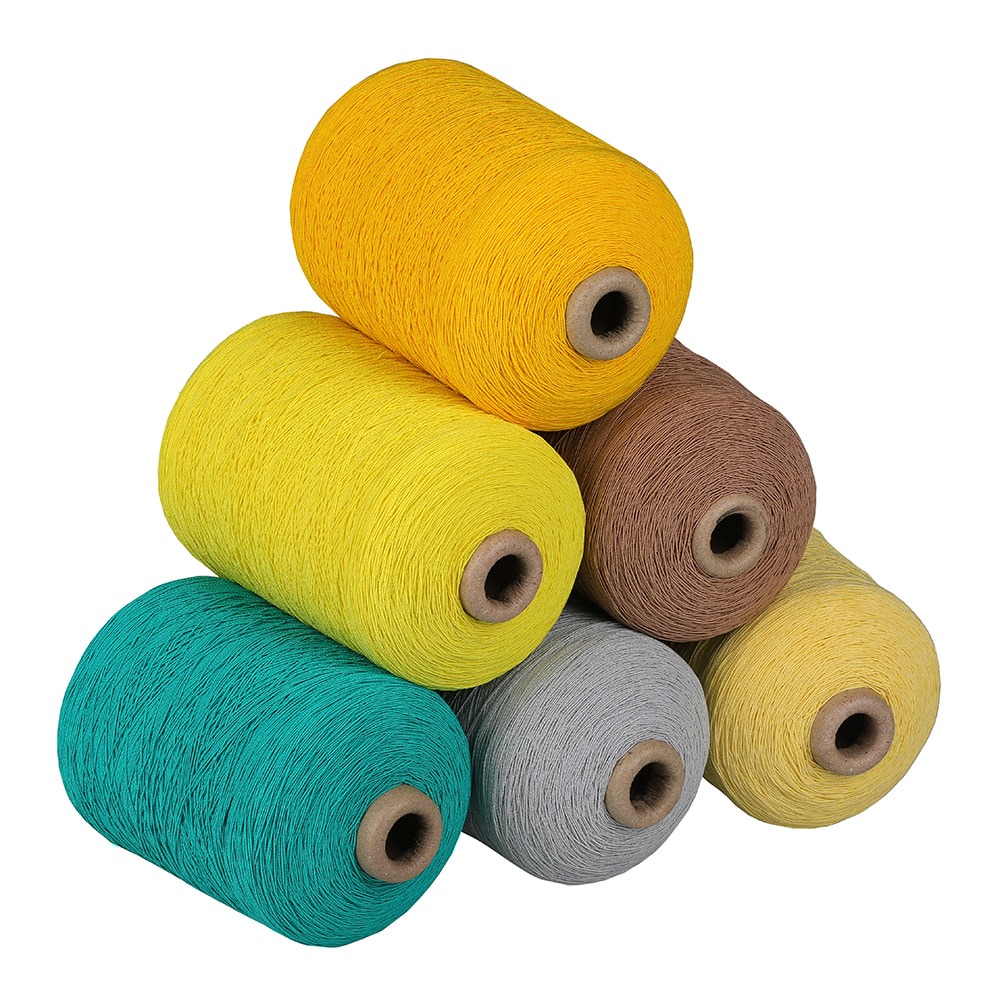
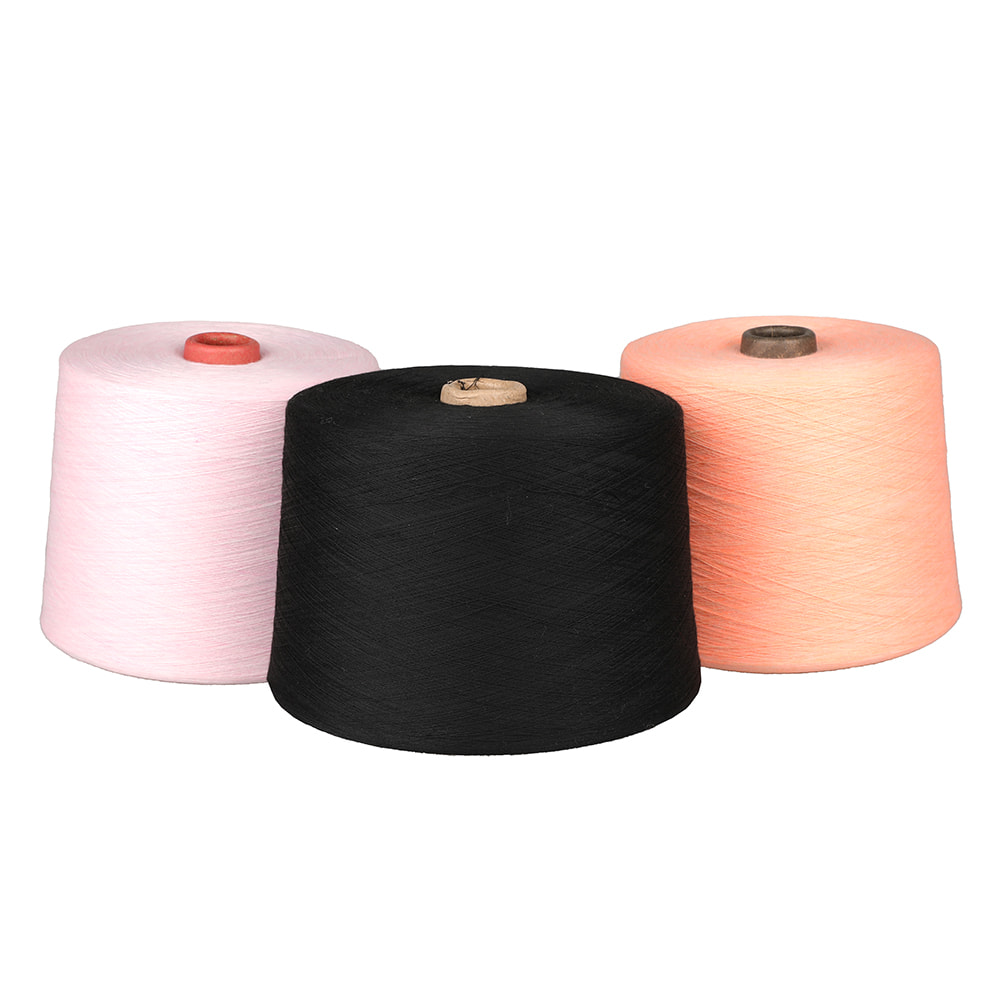
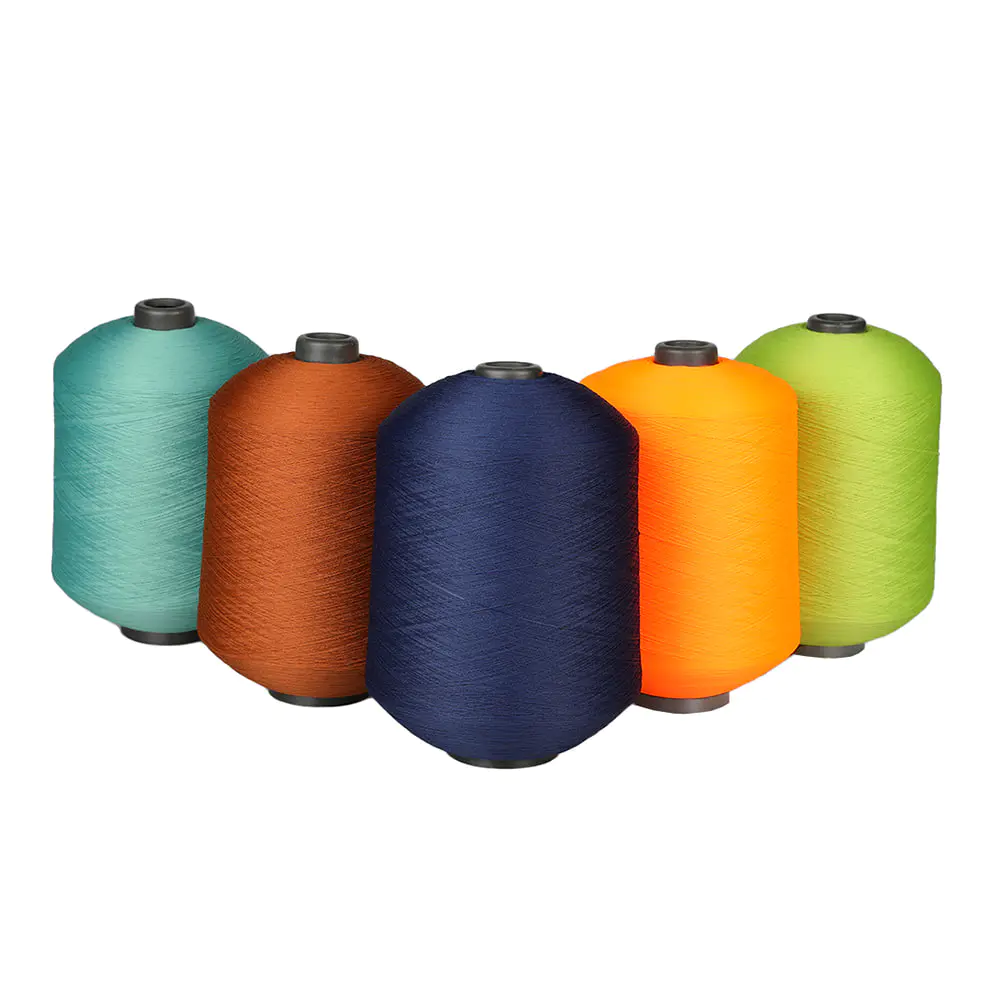
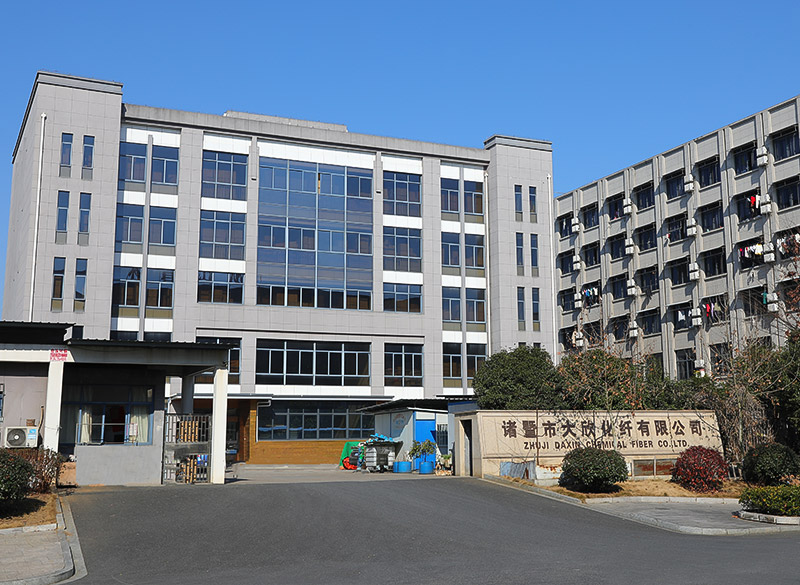
In the heart of the global textile industry, Zhuji Daxin Chemical Fiber Co., Ltd. stands as a testament to quality, innovation, and scale. Founded in 2011, the company has rapidly established itself as a premier manufacturer specializing in the production and sales of colored yarns and specialized threads. Their extensive product portfolio includes color masterbatch, polyester POY filament, nylon high elastic yarn, imitation nylon high elastic yarn, DTY high elastic yarn, and the critical ultra dee bonded polyester thread. Located in Zhuji City, Zhejiang Province, China, the company benefits from being in a region renowned for its textile heritage and industrial capabilities. With a sprawling facility covering more than 50,000 square meters and equipped with advanced production machinery, Zhuji Daxin Chemical Fiber Co., Ltd. achieves a daily output of over 100 tons. This massive capacity allows them to serve a global client base, distributing products to Europe, America, Southeast Asia, and Asia, catering to industries ranging from socks and ribbons to sportswear and flying shoe uppers.
A Leader in Textile Raw Materials Since 2011
Since its inception in 2011, Zhuji Daxin Chemical Fiber Co., Ltd. has adhered to a business philosophy centered on product quality and innovation. As a leading supplier of polyester sewing thread and related textile raw materials, the company understands that the foundation of great textiles is great fiber. They offer an impressive palette of over 2,000 color spots, providing designers and manufacturers with endless creative possibilities. Their commitment to quality has earned them a high reputation in the chemical fiber industry, making them the partner of choice for many well-known sock enterprises, shoe enterprises, and textile enterprises. By focusing on the development of new materials like high tenacity polyester sewing thread, they ensure their clients have access to the latest technological advancements in textile manufacturing.
Advanced Production and Global Reach
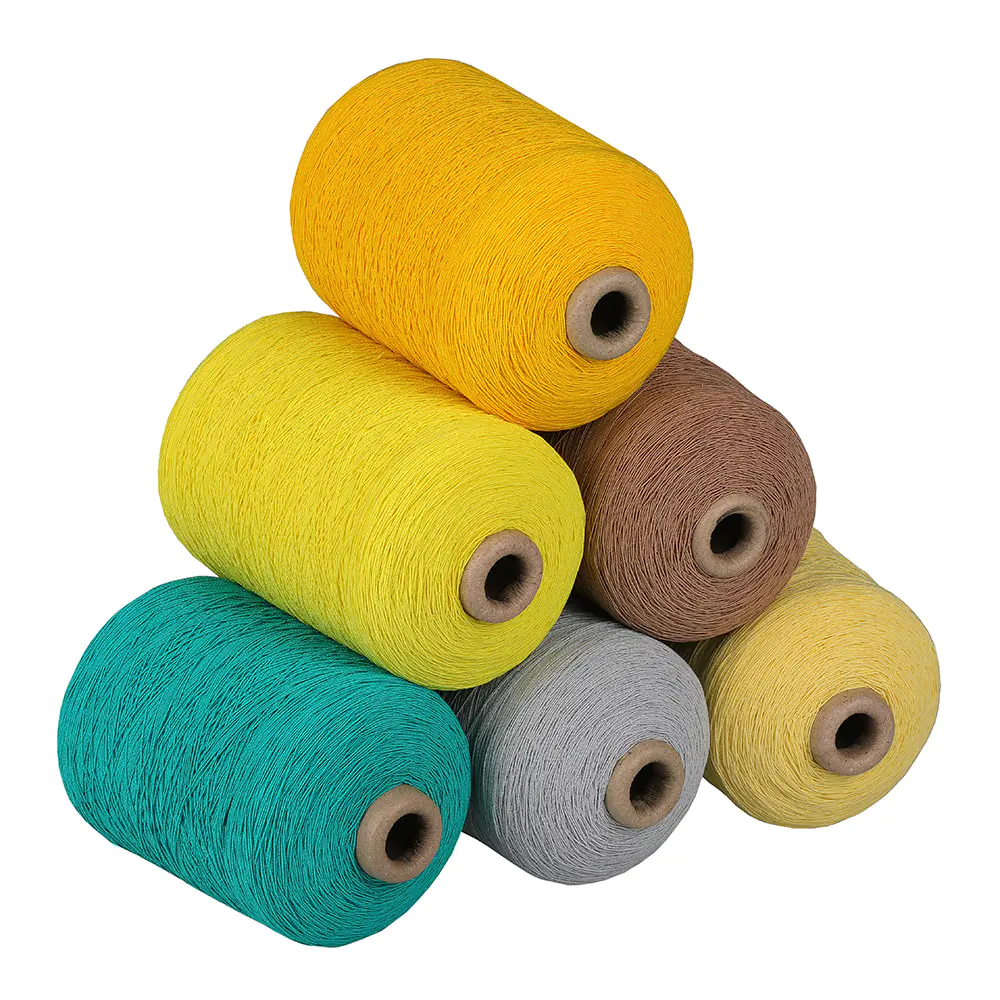
The company's success is driven by its ability to combine large-scale production with customized service. Their facility utilizes state-of-the-art equipment to produce a wide variety of yarns, including polyester covered yarn and rubber thread, which are essential for elastic fabrics. The industrial chain of Zhuji Daxin Chemical Fiber Co., Ltd. is deeply integrated into the global market, ensuring that products like bonded polyester thread for leather are readily available to international manufacturers. The company strives to be praised by the majority of partners, not only for the volume they can supply but for the consistency and reliability of their products. Whether for woolen sweaters or elastic fabric, the company provides the essential raw materials that power the global fashion and industrial textile sectors.
Scale and Capacity in Zhejiang
With over 50,000 square meters of manufacturing space, Zhuji Daxin Chemical Fiber Co., Ltd. operates on a scale that ensures reliability and timely delivery. Their daily output exceeding 100 tons is facilitated by advanced production lines dedicated to spinning, drawing, and dyeing. This capacity is crucial for large-scale manufacturers who require a steady stream of raw materials to keep their own production lines moving without interruption.
| Parameter | Detail |
| Founded | 2011 |
| Location | Zhuji City, Zhejiang Province |
| Facility Size | Over 50,000 square meters |
| Daily Output | More than 100 tons |
Color Variety and Customization
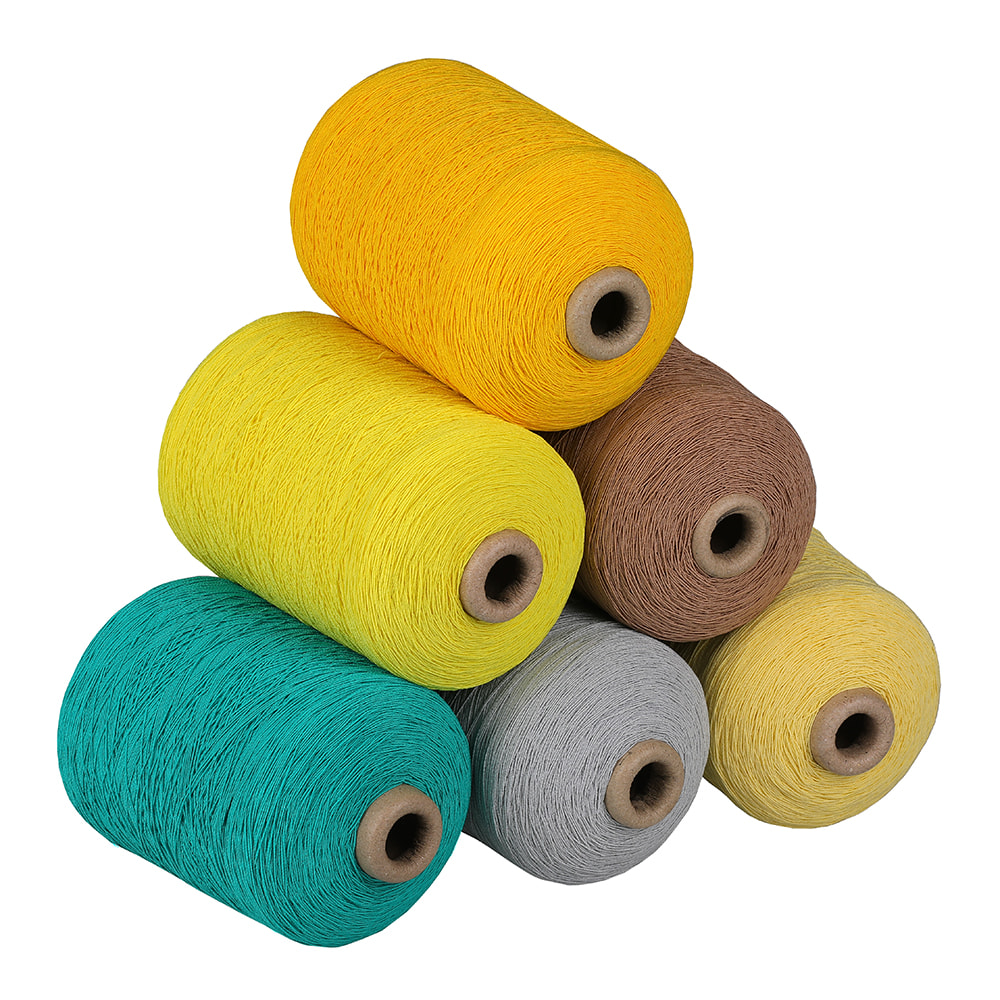
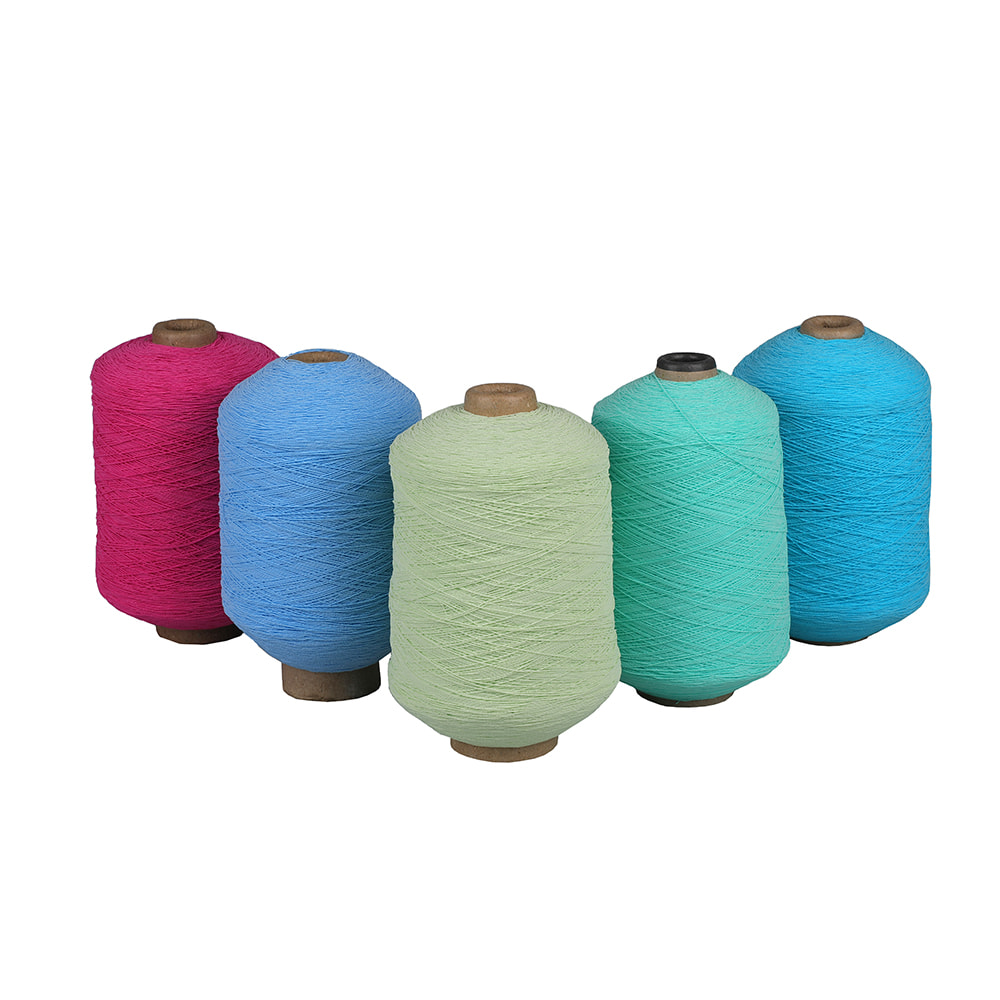
A key differentiator for Zhuji Daxin Chemical Fiber Co., Ltd. is their extensive color library. With more than 2,000 kinds of color spots to choose from, they offer a level of customization that is highly valued in the fashion and design industries. Whether a client needs a specific shade of wax coated polyester thread or a custom blend of fibers for elastic yarn, the company has the technical capability to meet these diverse requirements.
| Product Range | Key Varieties |
| Yarn Types | POY, DTY, Nylon High Elastic |
| Specialty Yarns | Metal Yarn, Diamond Flash Yarn |
| Thread Options | Bonded Polyester, Sewing Thread |
| Color Library | 2,000+ Color Spots |
FAQ
What makes ultra dee bonded polyester thread different from regular polyester thread?
Ultra dee bonded polyester thread is treated with a special resin coating that bonds the fibers together. This process prevents fraying, increases tensile strength, and provides resistance to abrasion and friction, unlike regular polyester thread which is softer and more prone to breaking under heavy industrial use.
Can I use bonded polyester thread for leather in a home sewing machine?
While it is possible, bonded polyester thread for leather is typically thicker and designed for high-speed industrial machines. It may require a larger needle and adjusted tension settings on a home machine. It is best used for heavy-duty projects that require strong seams, such as leather bags or upholstery.
Is wax coated polyester thread waterproof?
Yes, wax coated polyester thread offers a degree of water repellency. The wax coating seals the fibers, preventing water from wicking into the seam. This makes it an excellent choice for outdoor projects, boat covers, and shoes that are exposed to wet conditions.
What is the advantage of heavy duty bonded polyester thread for outdoor use?
The advantage of heavy duty bonded polyester thread for outdoor use lies in its exceptional UV resistance and durability. Unlike nylon thread that degrades in sunlight, polyester maintains its strength. Additionally, the bonding protects the thread from abrasion caused by wind and environmental exposure, ensuring the seam holds up over time.