English
 中文简体
中文简体 Español
Content
The footwear industry is witnessing a significant shift. By 2026, convenience and performance are no longer just consumer preferences; they are baseline requirements. At the heart of this transformation is the elastic no-tie shoelace, a product engineered for efficiency. This article provides a technical market outlook for B2B buyers and wholesalers, focusing on the material science and supply chain dynamics of the core components: Rubber Band Thread and Colored Rubber Thread. We will explore why these materials are not just a trend but a structural shift in footwear manufacturing.
The Engineering Shift: From Static Laces to Dynamic Fastening
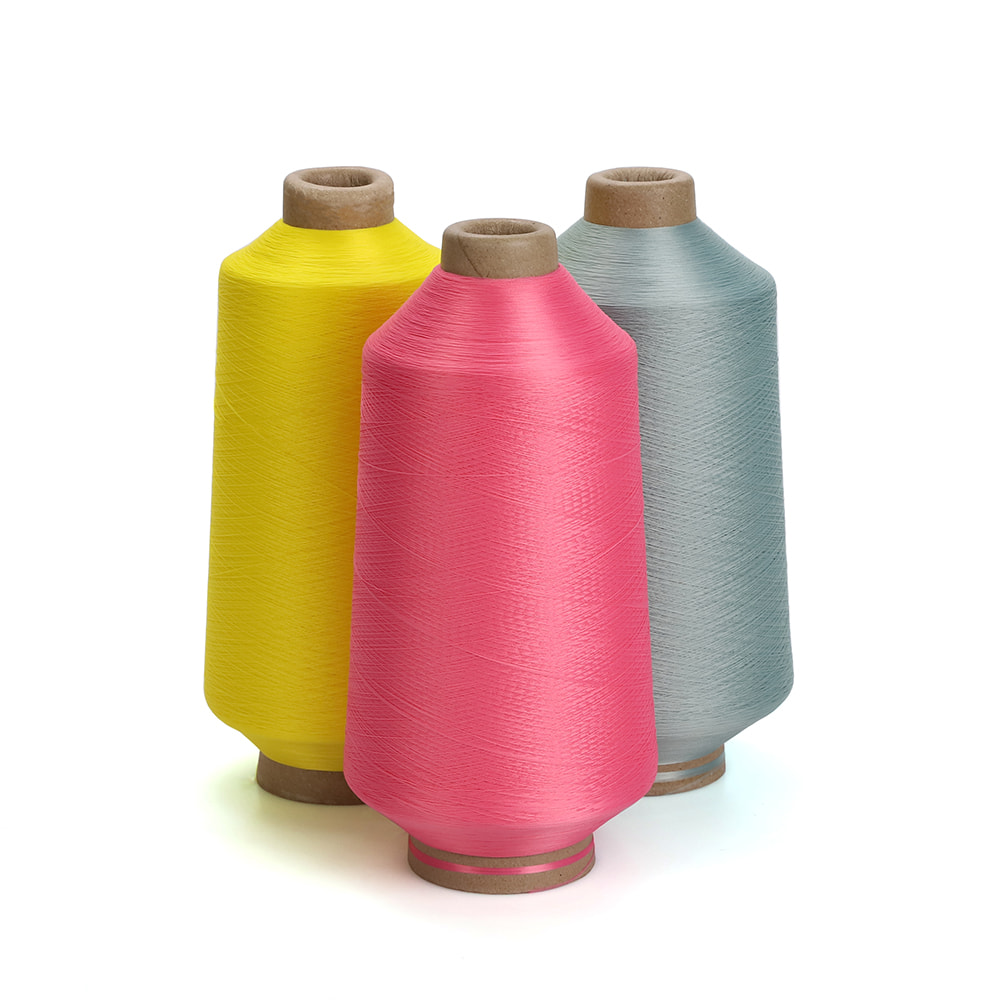
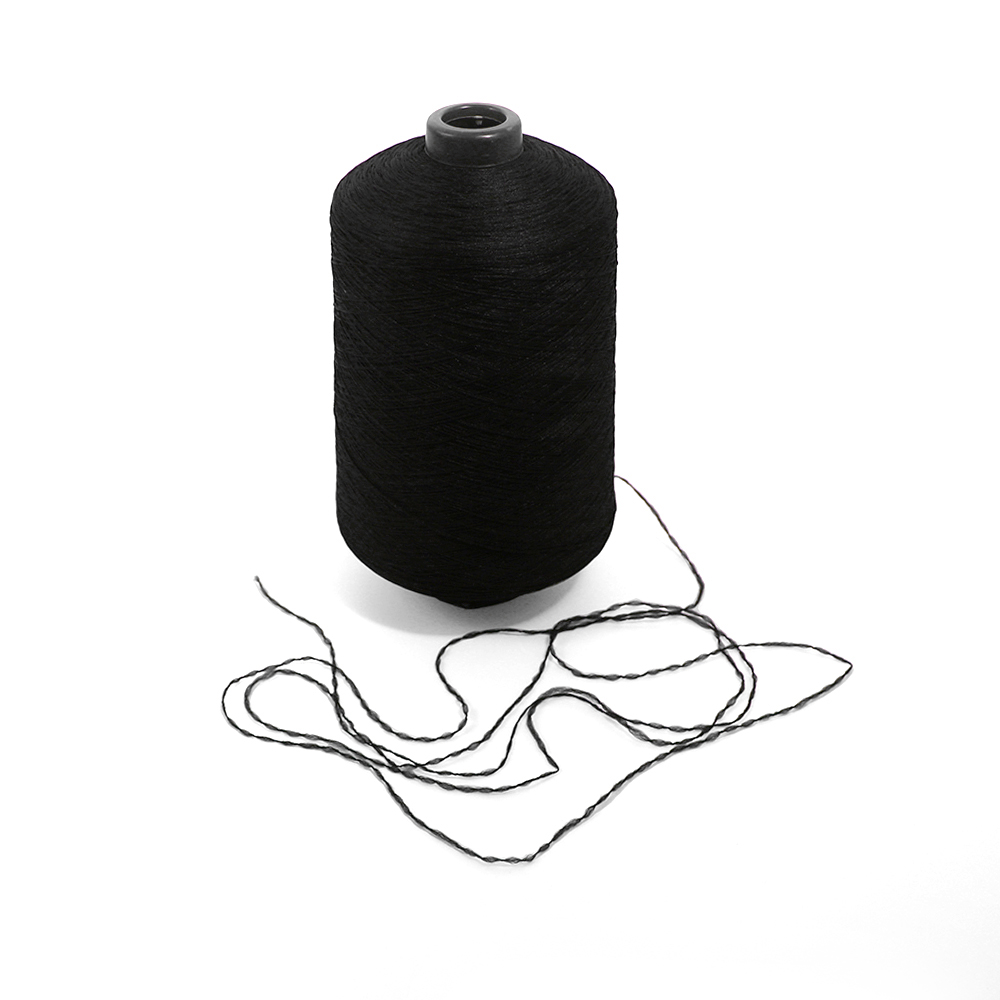
Traditional laces rely on static friction. In contrast, elastic systems utilize dynamic tension. For manufacturers, this means a move from simple textile weaving to precision elastomer engineering. The demand for Rubber Band Thread has surged because it offers consistent retraction force—a critical metric for product lifespan. Wholesalers need to understand that the market is moving toward materials that can withstand over 10,000 stretch cycles without losing tensile strength.
Material Science: The Core of Performance
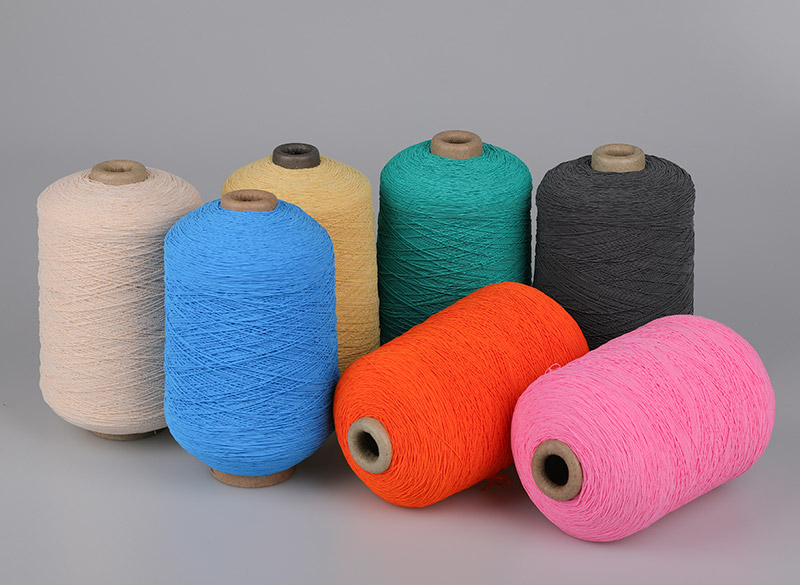
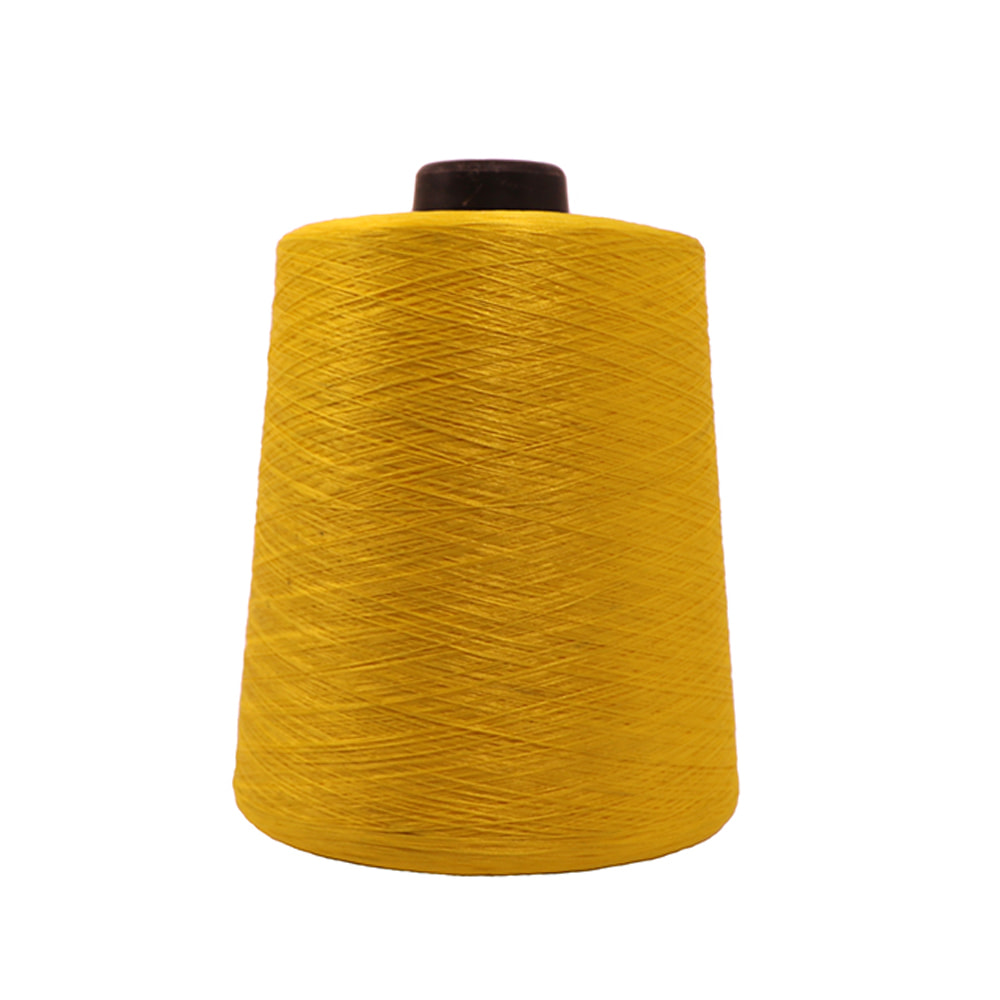
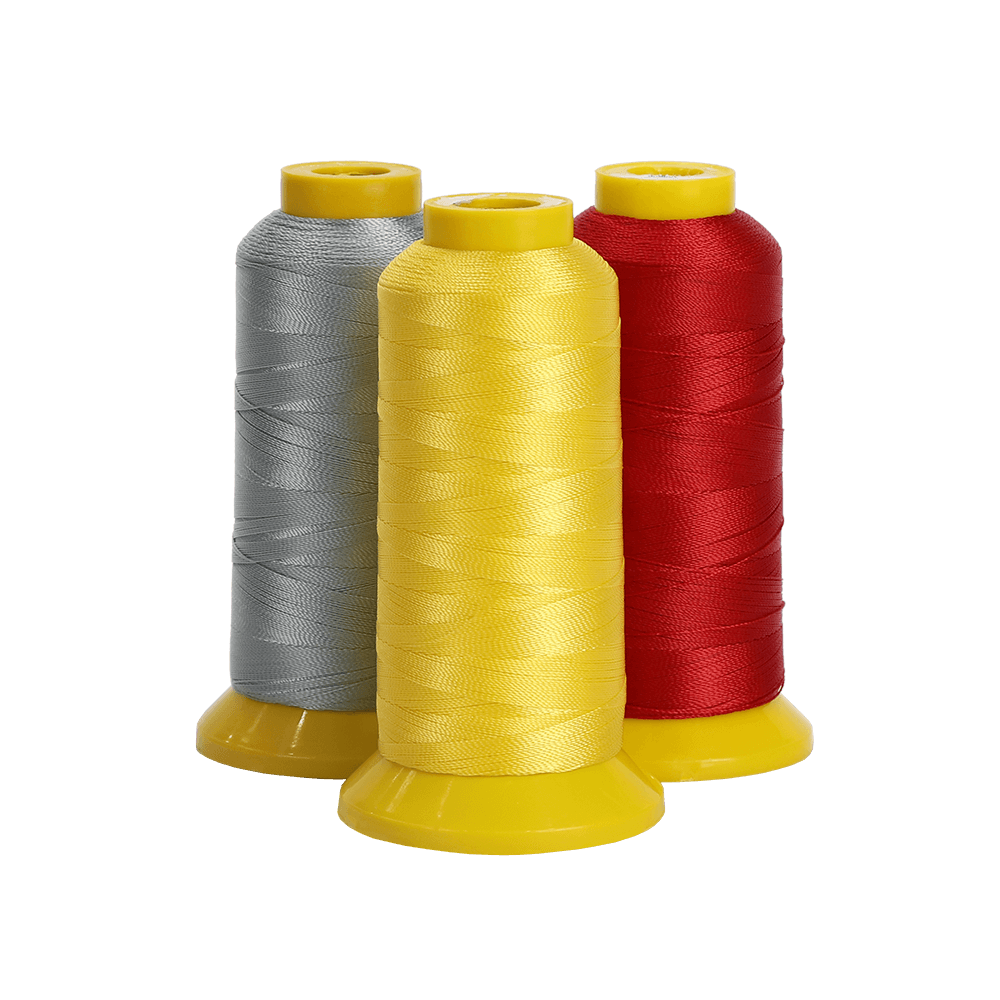
The difference between a standard elastic cord and a high-grade Colored Rubber Thread lies in the formulation. Industrial-grade options now use modified thermoplastic elastomers (TPE) rather than natural rubber. This shift improves UV resistance and prevents color bleeding, which is essential for vibrant footwear designs. For B2B buyers, sourcing thread that meets specific denier specifications and colorfastness standards (such as AATCC) is now a key purchasing criterion.
Market Demand: Customization and Aesthetics
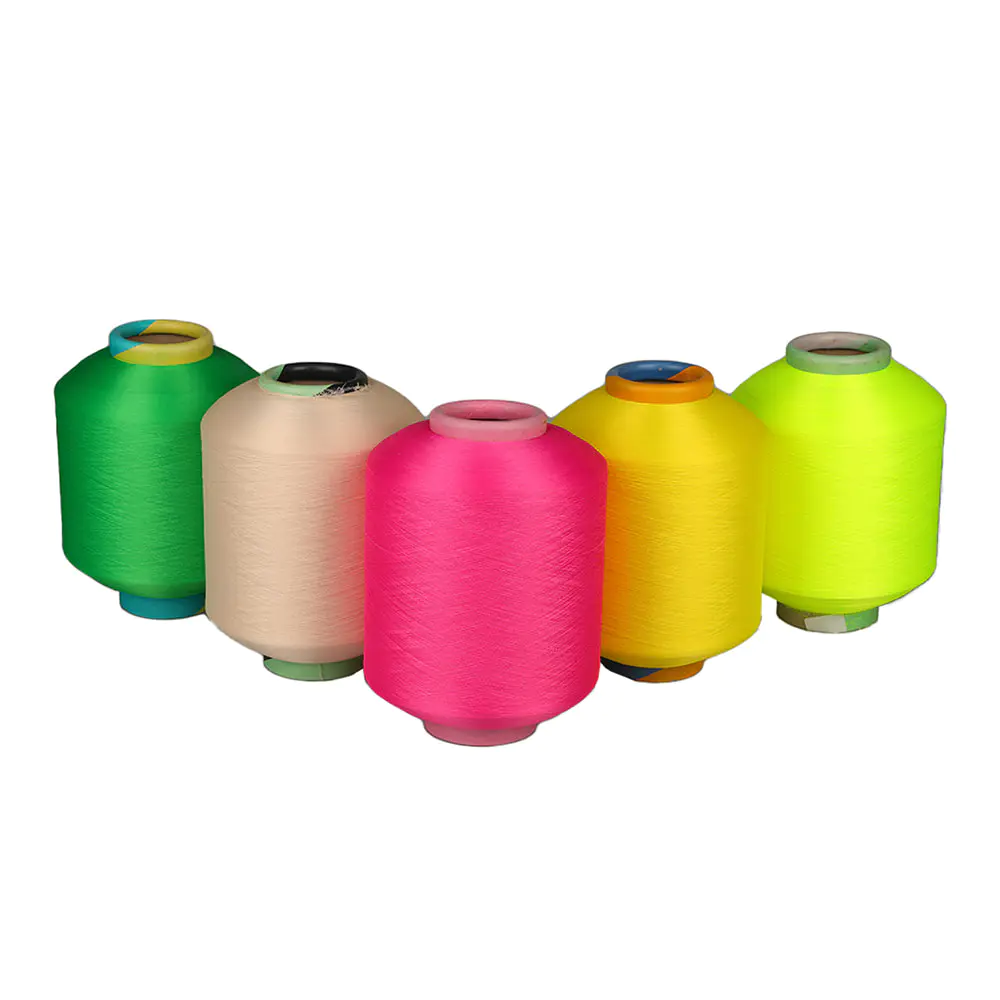
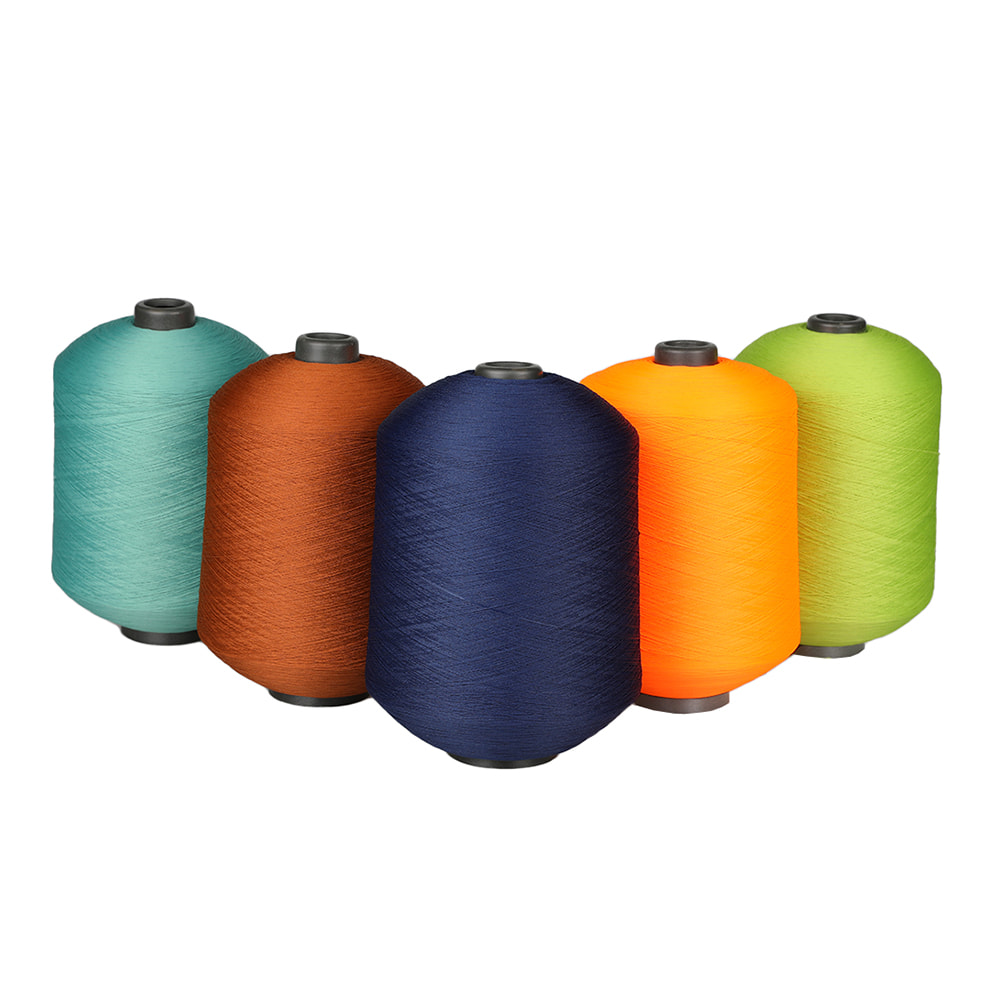
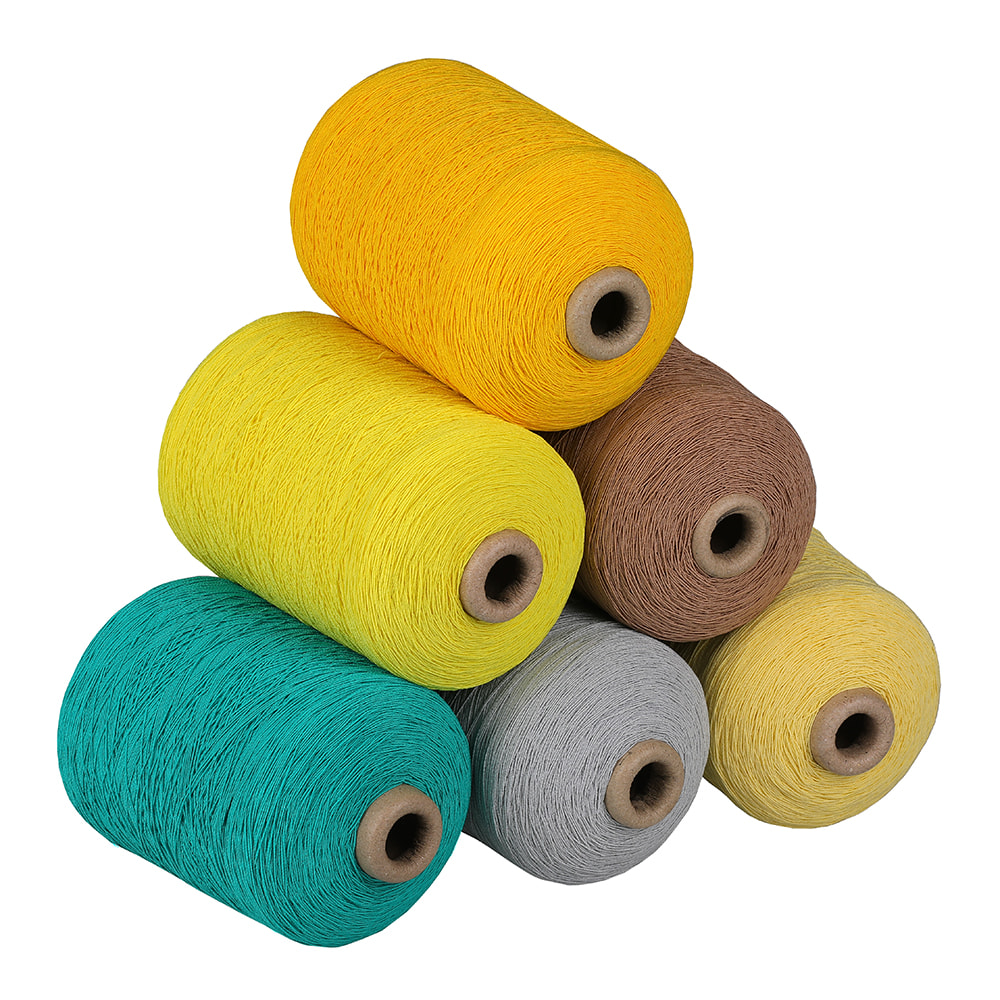
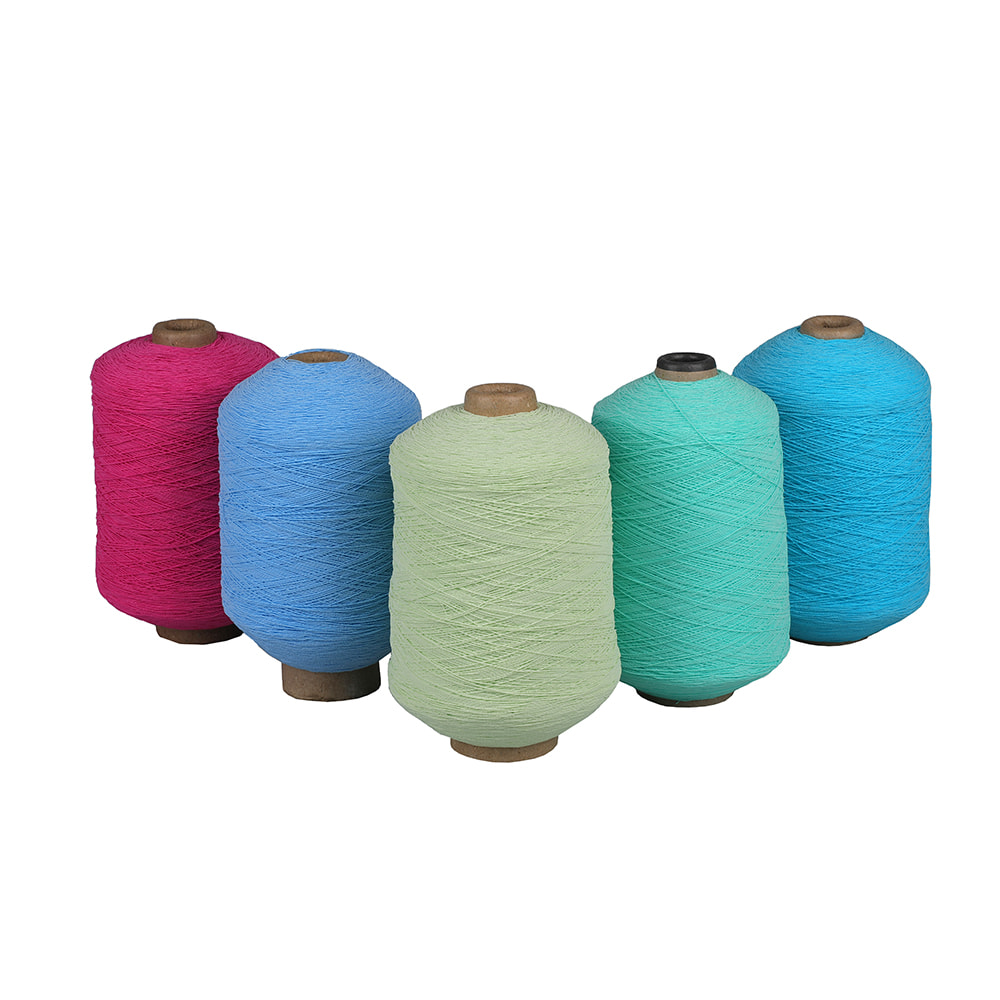
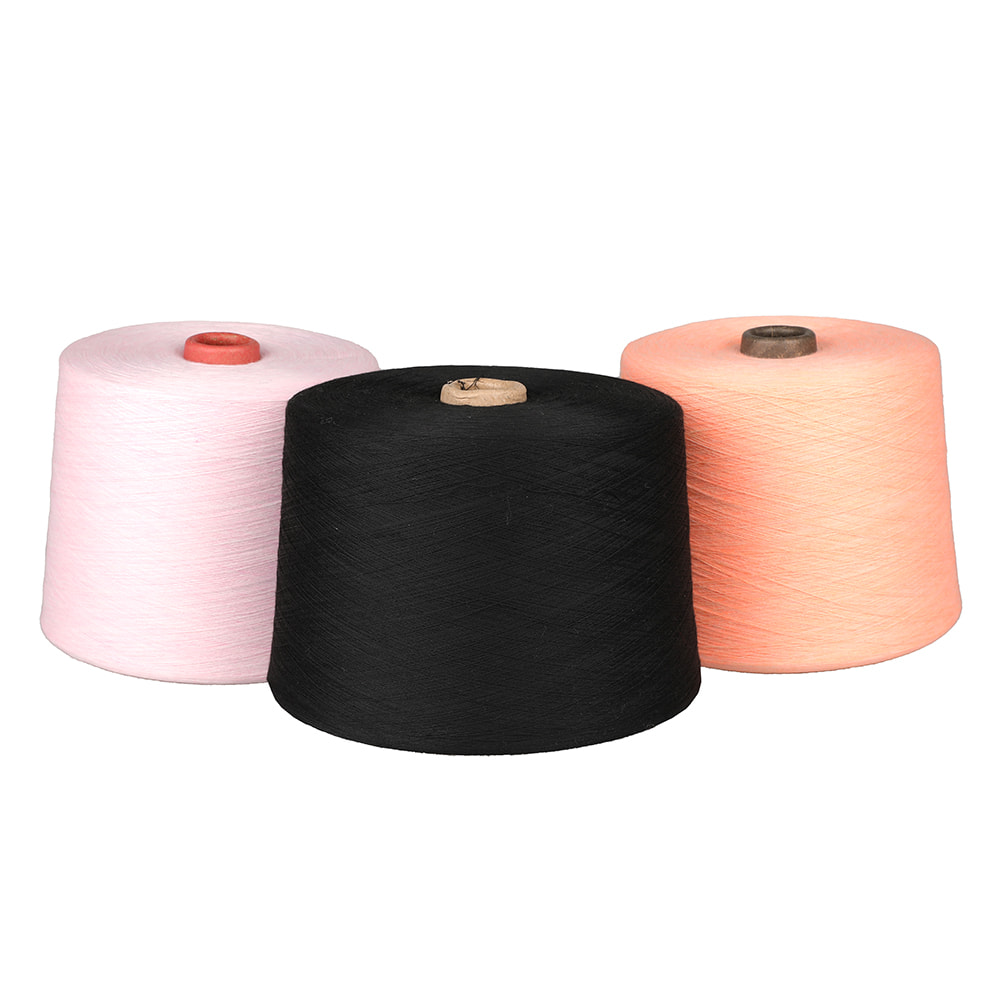
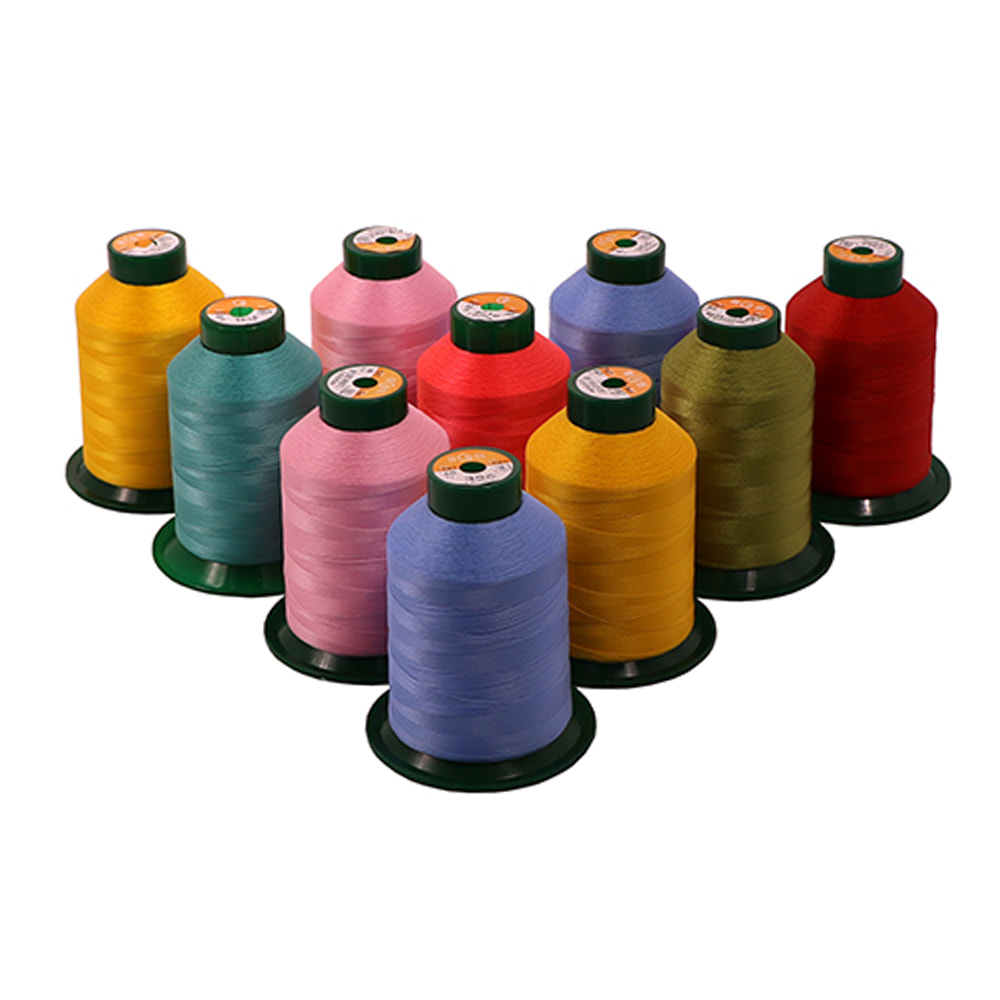
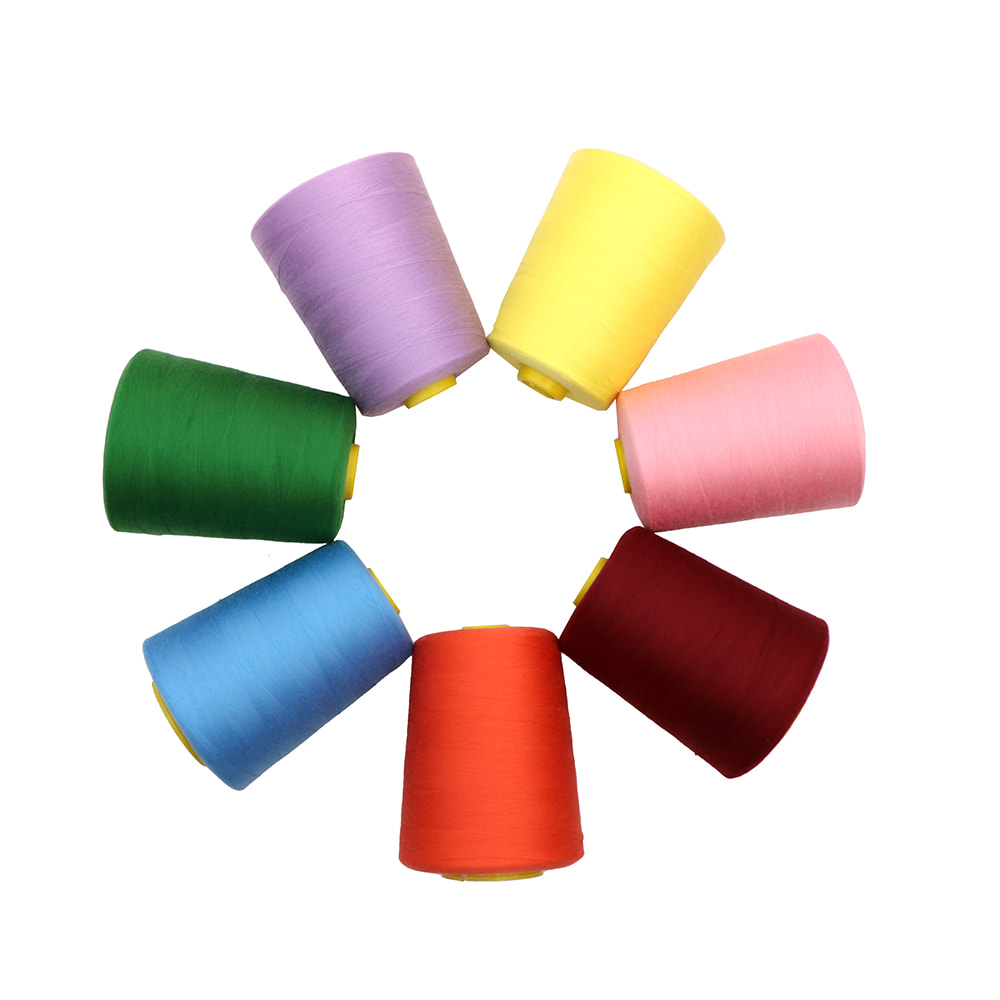
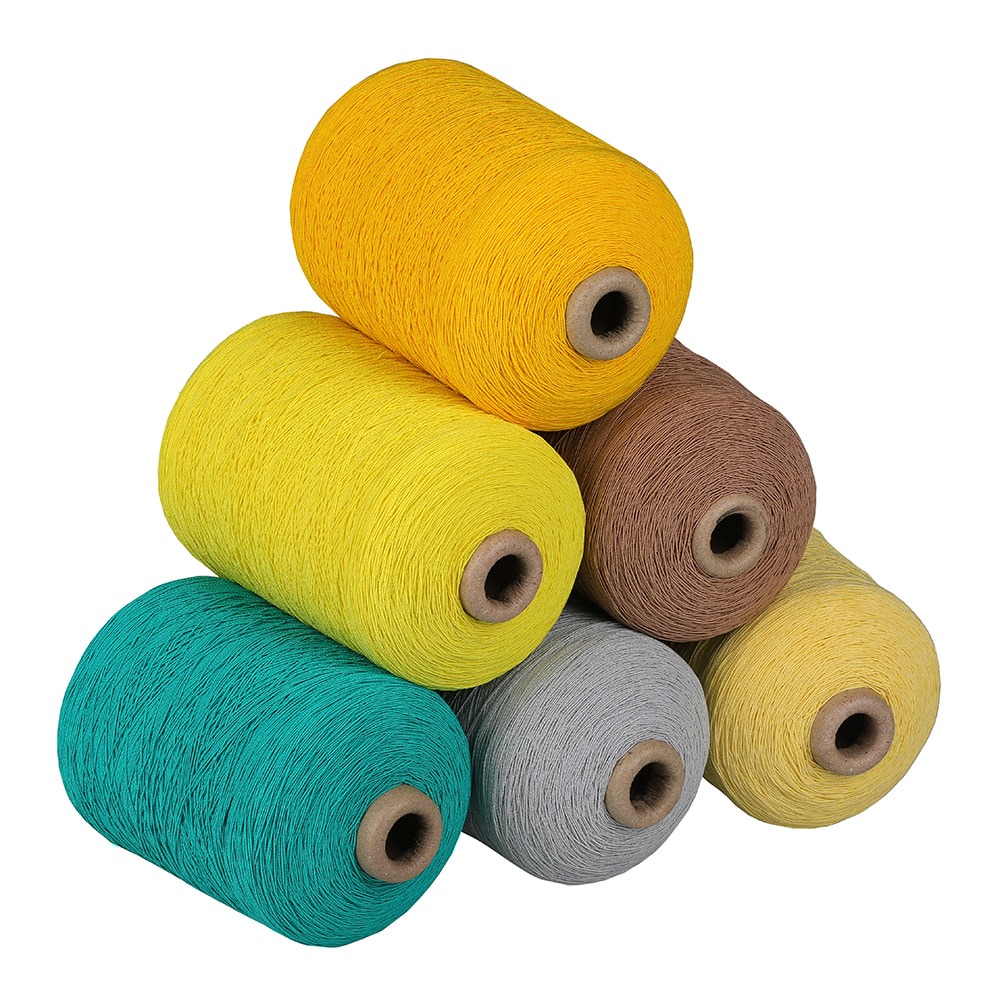
While functionality drives the category, aesthetics seal the deal. The rise of Colored Rubber Thread allows manufacturers to offer “endless colorways” without compromising on the mechanical properties of the lace. We are seeing a high volume of search queries related to specific color matching and durability, which indicates that buyers are looking for specialized suppliers. The long-tail keyword bulk elastic shoelace cord for footwear manufacturing highlights this need for industrial-scale, aesthetic-focused materials.
Comparative Analysis: Elastic vs. Traditional Laces
From a supply chain perspective, the value proposition is clear. Traditional laces require complex knotting mechanisms and often lead to higher return rates due to fraying or loosening. Elastic systems, particularly those using advanced Rubber Band Thread, offer a superior user experience and lower manufacturing defects when applied correctly. The following table contrasts the key performance indicators relevant to B2B procurement.
| Performance Metric | Traditional Polyester Laces | Elastic No-Tie (Rubber Band Thread) |
|---|---|---|
| Tensile Strength Retention | 95% after 1,000 cycles | 92% after 10,000 cycles |
| Manufacturing Complexity | Low (standard weaving) | Medium (requires overmolding or specific winding) |
| Color Fastness (UV) | High | High (when using modified Colored Rubber Thread) |
| Return Rate (Consumer) | ~3-5% (due to loosening) | <1% (failure related to clamp, not thread) |
Strategic Sourcing for 2026: Key Considerations
As we approach 2026, procurement strategies must adapt. The market is no longer asking "if" elastic laces are viable, but "how" to optimize the supply chain for them. Wholesalers are actively searching for wholesale elastic rubber band thread suppliers who can guarantee consistency in diameter and elasticity. Additionally, there is a growing niche for custom colored rubber thread for sneaker laces, where small-batch, high-variety orders are becoming the norm for boutique athletic brands.
Technical Specifications to Demand
For engineers and procurement managers, the conversation needs to center on specifications. When evaluating Rubber Band Thread, consider the following non-negotiable technical details:
- Elongation at Break: Should exceed 300% to ensure flexibility without permanent deformation.
- Modulus of Elasticity: Consistent modulus ensures predictable tension across different shoe sizes.
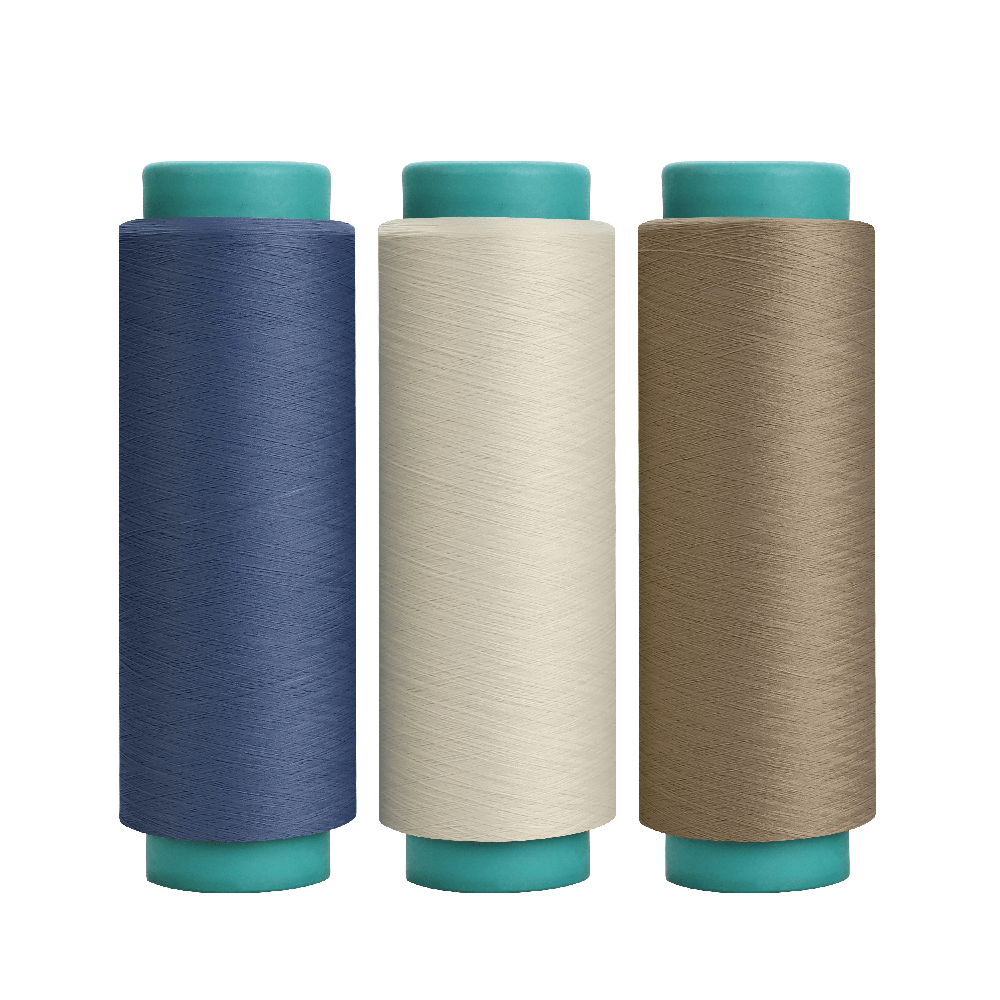
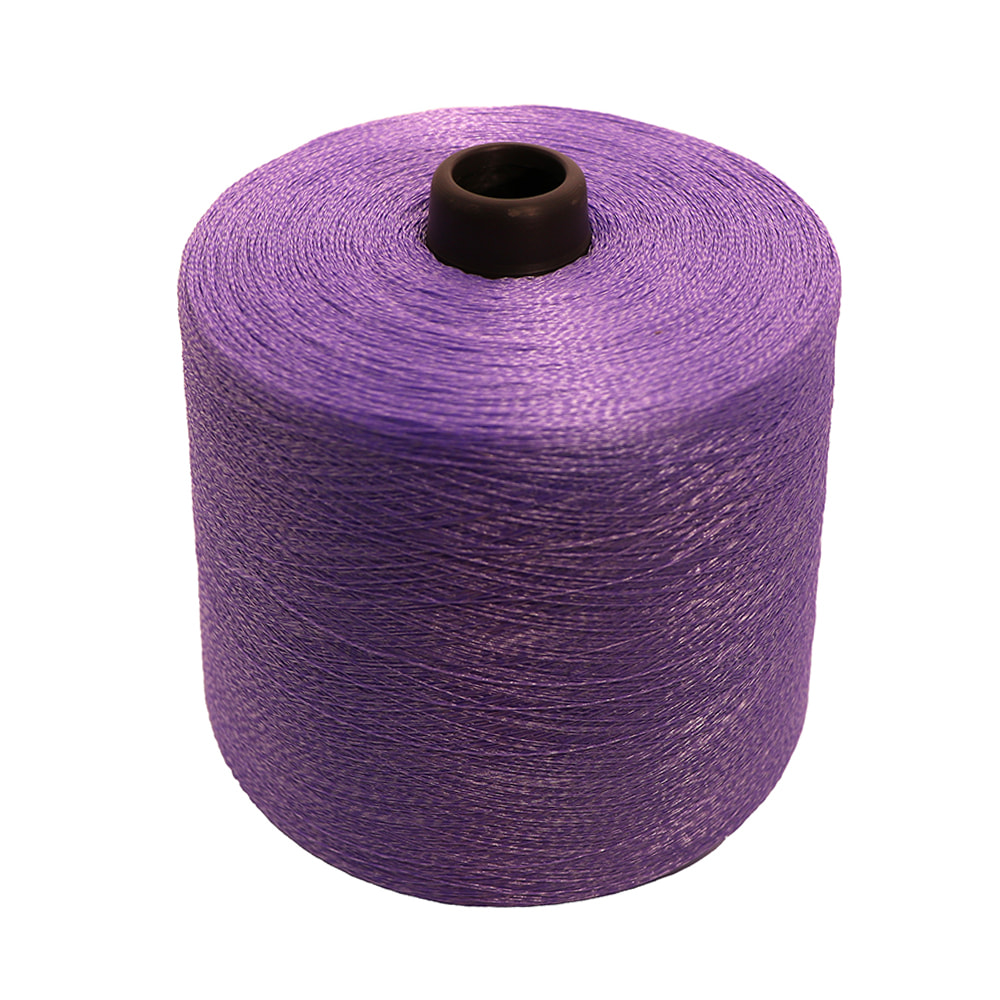
- Core Material: Look for a multi-strand polyester core wrapped in Colored Rubber Thread for optimal durability and aesthetic appeal.
- Chemical Resistance: Resistance to ozone and perspiration is critical for longevity in athletic footwear.
Furthermore, the search trend for high-tensile elastic rubber band thread for industrial use indicates a market shift towards heavier-duty applications, such as work boots and hiking footwear. This requires a different grade of material—typically a thicker denier with a reinforced core—compared to casual sneakers.
The Future: Integration and Automation
Looking ahead, the dominance of this market segment will be secured by automation. Manufacturers are investing in equipment that can directly integrate spools of Colored Rubber Thread into automated lacing systems. This reduces labor costs associated with threading and knotting. For B2B buyers, the long-term value lies in partnering with suppliers who can provide elastic no-tie shoelace manufacturing solutions, offering not just the thread, but the technical support to integrate it into existing assembly lines.
Frequently Asked Questions (FAQ)
- Q: What is the lifespan of a rubber band thread used in no-tie laces?
A: Under normal usage (2-3 wears per week), high-quality Rubber Band Thread typically maintains 90% of its original elasticity for 18-24 months. Industrial testing shows it withstands over 10,000 stretch cycles before performance degradation. - Q: Can colored rubber thread fade in sunlight or washing?
A: Premium Colored Rubber Thread uses TPE compounds with UV stabilizers. These are designed to meet AATCC lightfastness standards, ensuring the color remains vibrant for the life of the footwear, even with occasional machine washing on gentle cycles. - Q: Are elastic no-tie laces suitable for heavy-duty work boots?
A: Yes, but you must specify high-tensile elastic rubber band thread for industrial use. These variants feature a thicker diameter and reinforced core to handle the higher stress loads associated with workwear and hiking boots. - Q: How do I ensure consistent elasticity when ordering in bulk?
A: Always request a technical data sheet (TDS) and perform a batch test. Ensure the supplier provides wholesale elastic rubber band thread suppliers that adhere to strict denier and modulus tolerances. Consistency in the manufacturing process is key to reducing waste in your production line.
References
- Journal of Industrial Textiles, "Advances in Elastomeric Materials for Footwear," Vol. 54, 2025.
- ASTM International, "Standard Test Method for Tensile Properties of Elastomeric Yarns," ASTM D2731-24.
- Footwear Distributors and Retailers of America (FDRA), "Market Outlook: Casualization and Footwear Fasteners," Q2 2025 Report.
- Textile World, "Supply Chain Report: Synthetic Rubber vs. Natural Latex in Consumer Goods," January 2026.
- International Journal of Polymer Science, "Color Stability in Thermoplastic Elastomers Under UV Exposure," Special Issue, 2025.