English
 中文简体
中文简体 Español
Content
- 1 What Color Options Exist for Semi-Flex Nylon Filament?
- 2 Does Carbon Fiber Reinforcement Limit Nylon Filament Colors?
- 3 Is Colored Nylon Filament Reliable for Functional Prototypes?
- 4 What is the Best Dye for Post-Processing Nylon 3D Prints?
- 5 Which Colored Nylon Filaments Resist High Temperatures?
- 6 Conclusion
- 7 Frequently Asked Questions (FAQ)
- 7.1 1. Does the color of the filament affect the mechanical strength of the final nylon part?
- 7.2 2. Can I use standard textile dyes on 3D printed nylon parts?
- 7.3 3. What is the maximum operating temperature for colored nylon in a continuous use application?
- 7.4 4. Why is black the most common color for carbon fiber nylon?
- 7.5 5. How should colored nylon filament be stored to maintain color quality?
- 8 References
For procurement specialists and engineering leads, the decision to integrate colored nylon filament into the supply chain extends far beyond aesthetics. It is a decision that impacts functional validation, assembly line efficiency, and end-use durability. This guide provides a technical deep dive into the state of colored nylon, from semi-flexible composites to high-temperature variants, equipping you with the data needed for sourcing and application.
What Color Options Exist for Semi-Flex Nylon Filament?
Defining Semi-Flexible Nylon: Copolymers and Blends
Semi-flexible nylon filaments, often based on copolymers like PA12 or blends such as PCTPE (Plasticized Copolyamide Thermoplastic Elastomer), offer a unique balance between the rigidity of standard PA6 and the elasticity of TPU. This is achieved by plasticizing the nylon polymer chain, reducing its crystallinity to lower the flexural modulus without compromising interlayer adhesion .
Available Color Spectrum and Pigmentation Technology
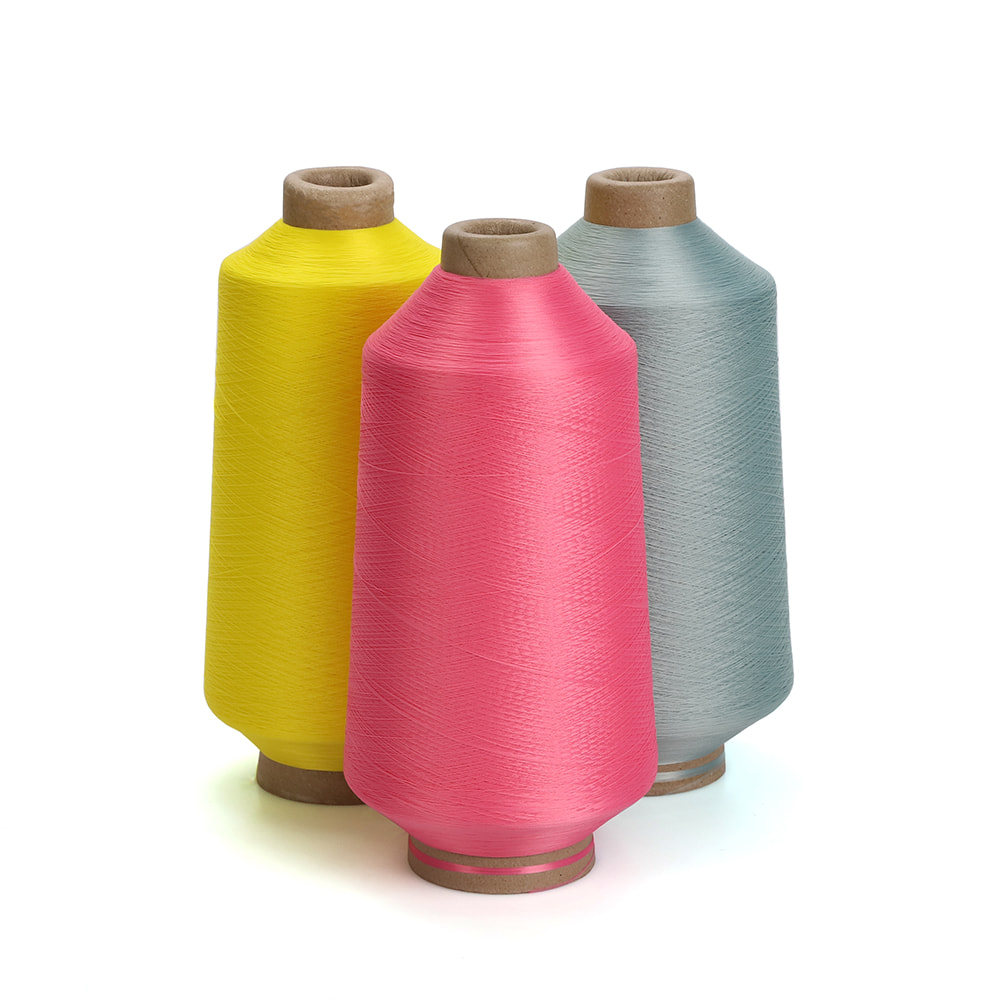
The color palette for semi-flex nylon has expanded significantly. However, the pigment carrier must be compatible with the copolymer matrix to prevent phase separation, which can lead to brittleness. Options typically range from industrial brights for high-visibility components to custom formulations.
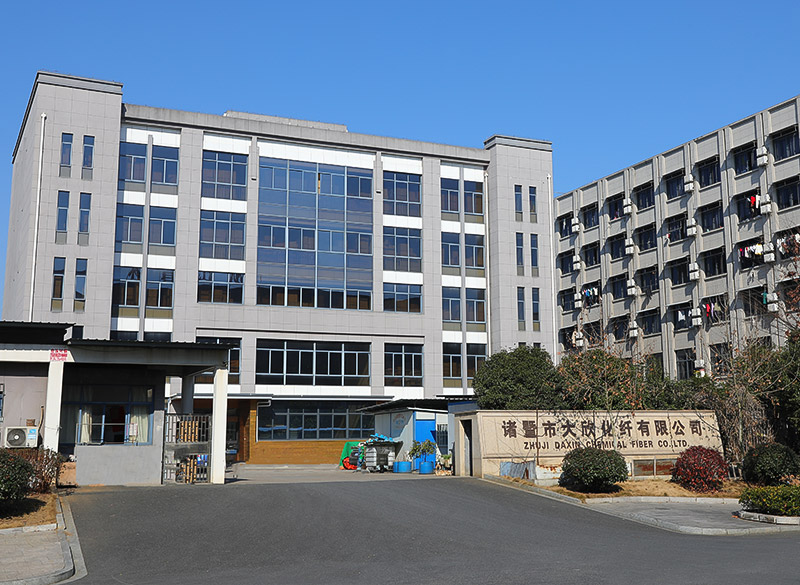
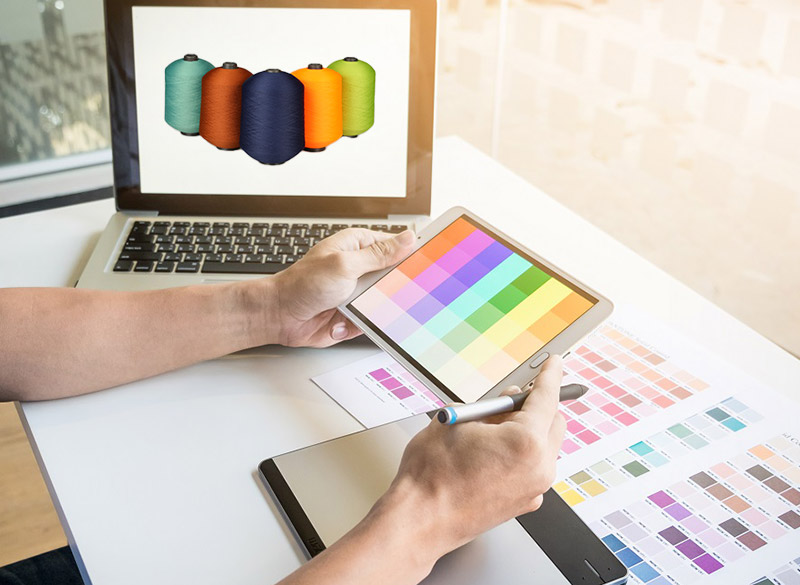
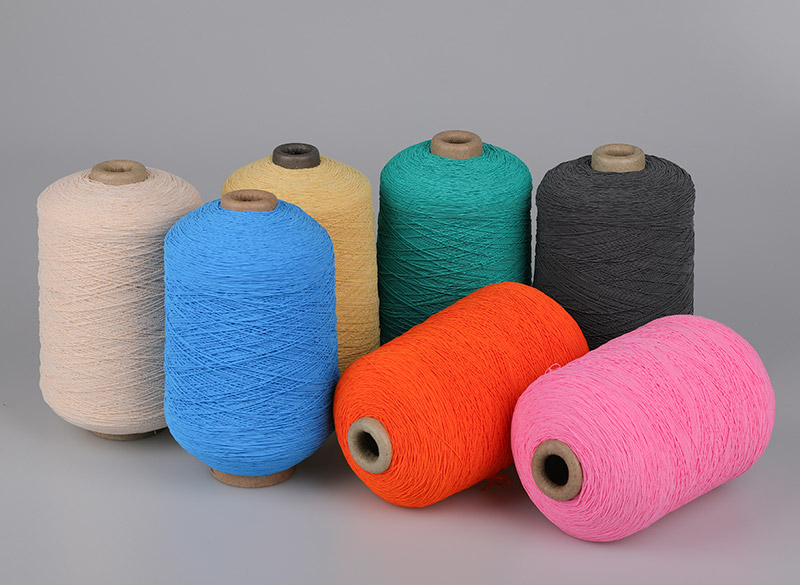
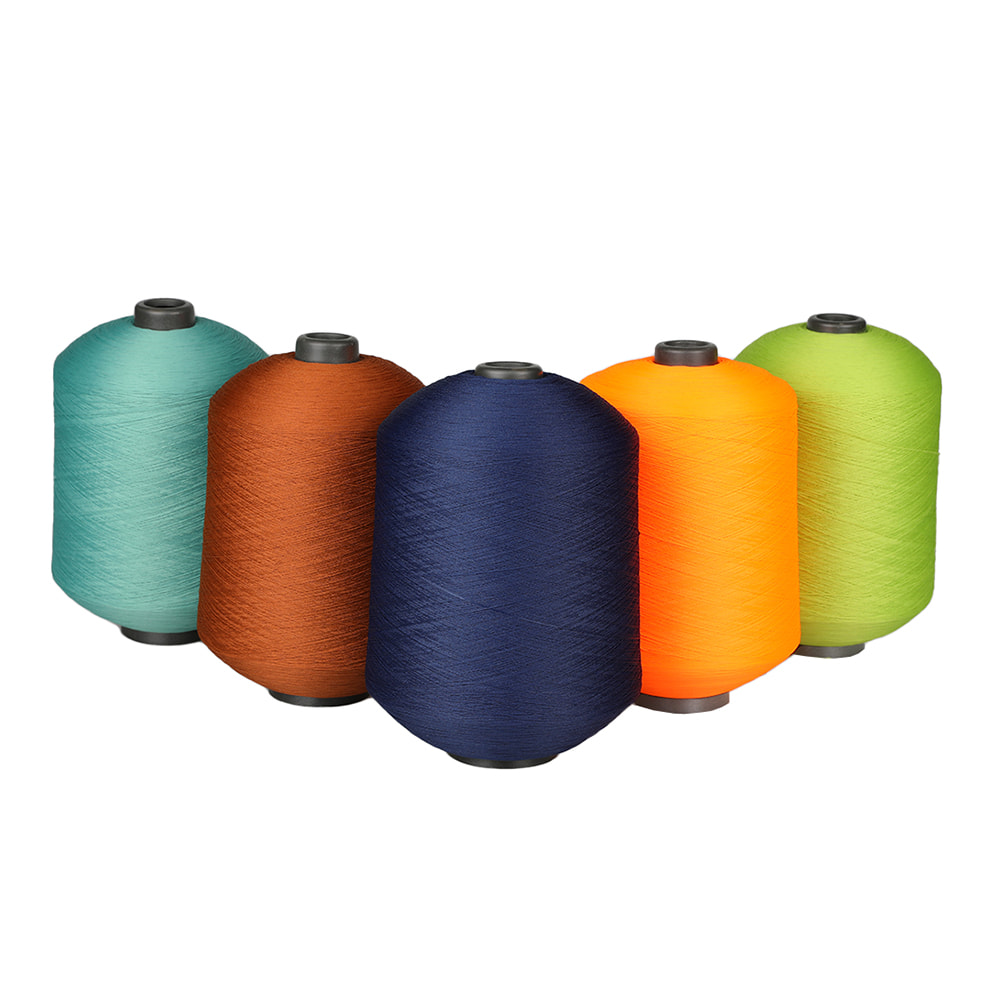
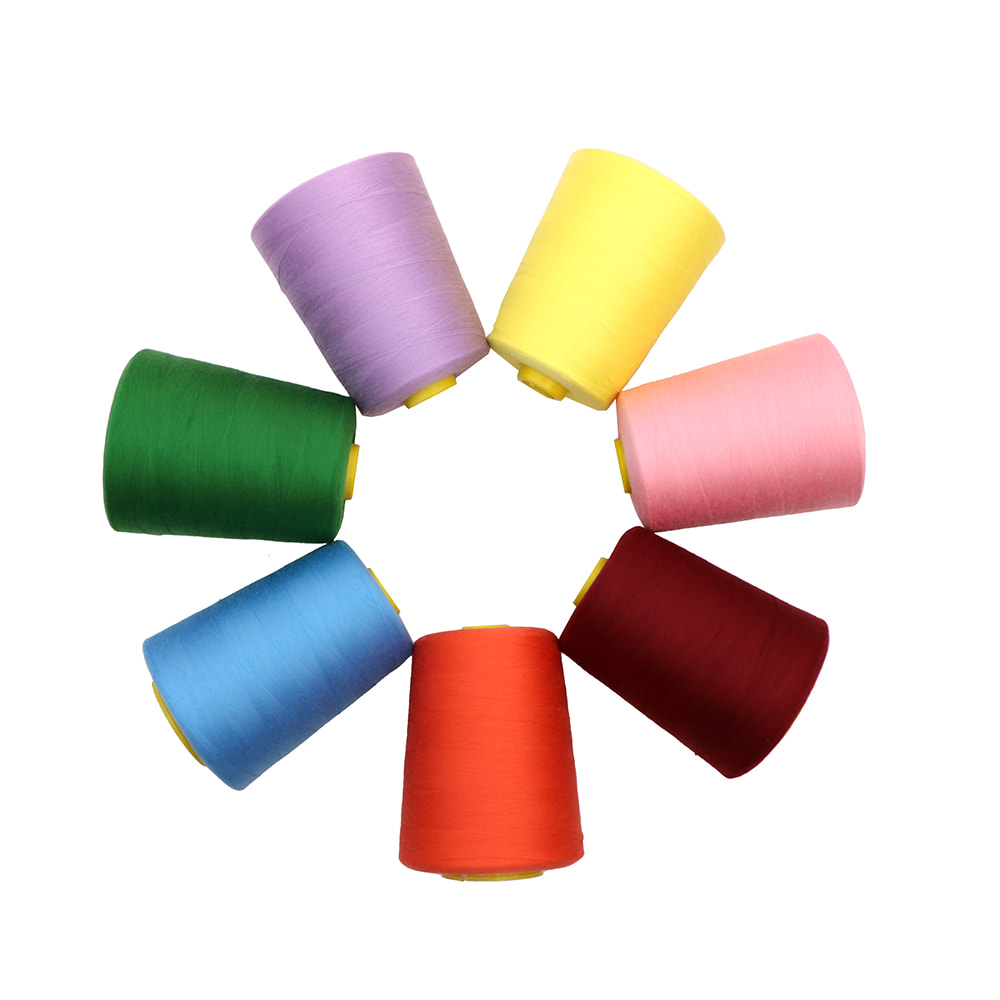
For buyers requiring precise color matching, it is instructive to look at adjacent industries. Companies like Zhuji Daxin Chemical Fiber Co., Ltd., established in 2011, have mastered the dispersion of color in nylon polymers for textiles, maintaining a library of over 2,000 color swatches for socks, sportswear, and elastic fabrics. This existing industrial infrastructure demonstrates that achieving consistent, vibrant color in nylon at scale is not only possible but a mature technology. The same chemical principles applied to disperse color into nylon yarn for flying shoe uppers apply to the pellets used for 3D printing filament.
Selecting Color Based on Mechanical Requirements
Color selection can sometimes dictate the grade of the base polymer. For instance, achieving a true "safety yellow" often requires a high-opacity pigment load that can slightly impact the material's flexibility. Engineers must verify that the specific color variant of a semi-flex nylon filament color meets the target durometer and flexural modulus specifications for applications like living hinges or dust seals.
Does Carbon Fiber Reinforcement Limit Nylon Filament Colors?
The Aesthetic Reality of Carbon-Filled Composites
Nylon carbon fiber filament colors are inherently limited by the fiber content. Standard carbon fiber (CF) is opaque and black. While the nylon matrix can be pigmented, the high loading of dark fibers typically results in a deep, matte gray to black finish . The carbon fibers dominate the visual appearance, scattering light and muting any added pigments.
Current State of the Art: Achieving Color in CF Nylon
To achieve distinct colors in CF nylon, manufacturers must use either pigmented carbon fibers (rare) or, more commonly, shift to a blend with a colored synthetic fiber or use a significantly higher pigment load that can withstand the nucleation effects of the fibers. However, the primary market demand for CF nylon remains focused on structural integrity and heat resistance, not aesthetics. The table below outlines the typical trade-offs.
| Composite Type | Typical Color Range | Primary Driver | Surface Finish |
|---|---|---|---|
| Standard Carbon Fiber Nylon (PA6/PA12) | Black / Charcoal | Stiffness & Strength | Matte, hides layer lines |
| Glass Fiber Nylon | Beige, Black, & Limited Custom Colors | Dimensional Stability & Cost | Semi-matte |
| Mineral-Filled Nylon | Wider color gamut available | Low Warp & Aesthetics | Matte to Satin |
While true "colors" are rare in high-CF content filaments, the aesthetic is valued in industrial settings where a non-reflective, technical appearance is desired for final parts like drone frames or robotic arms.
Is Colored Nylon Filament Reliable for Functional Prototypes?
Mechanical Integrity of Pigmented Nylon
The use of colored nylon filament for functional prototypes is not only reliable but often superior for post-processing identification. High-quality color masterbatches, when properly compounded, act as a filler but do not significantly disrupt the polymer chain alignment if the printing parameters are optimized. The key performance indicators—tensile strength and interlayer adhesion—should remain within 90-95% of their natural (unpigmented) counterparts when sourced from a reputable compounder.
Color as a Functional Tool in Engineering
In complex assemblies, color coding with nylon eliminates the need for secondary painting or anodizing, which can alter critical tolerances. For example, using red PA12 for emergency stop buttons or blue for pneumatic fittings allows for immediate visual identification on the factory floor, enhancing safety and reducing maintenance errors .
Sourcing Stability from Industrial Chemical Fiber Expertise
The consistency required for functional prototypes demands a supply chain that understands polymer rheology and color science. Manufacturers like Zhuji Daxin Chemical Fiber Co., Ltd. bring decades of experience in processing nylon and polyester high-elastic yarns for demanding applications like sportswear and automotive textiles. Their expertise in maintaining mechanical properties while introducing color across a daily output exceeding 100 tons provides a blueprint for the quality standards required in additive manufacturing. A prototype printed with nylon containing the same grade of colorants used in high-stress textile applications will exhibit reliable, predictable behavior.
What is the Best Dye for Post-Processing Nylon 3D Prints?
Why Nylon is Ideal for Deep Penetration Dyeing
Nylon, specifically PA11, PA12, and PA6, is a polyamide with amide linkages that act as sites for dye molecules to bond. This makes it uniquely receptive to coloring after printing. Unlike surface coatings that can wear off or obscure detail, dyeing penetrates the outer layers of the print, preserving dimensional accuracy while achieving vibrant, permanent color .
Comparative Analysis: Acid Dyes vs. Disperse Dyes
Choosing the correct dye chemistry is critical for industrial buyers seeking repeatable results. The table below compares the two primary methods, drawing directly from textile dyeing science .
| Feature | Acid Dyes | Disperse Dyes (e.g., Rit DyeMore) |
|---|---|---|
| Mechanism | Ionic bonding between anionic dye and cationic sites on nylon under acidic pH . | Physical diffusion of solid dye particles into amorphous regions of the polymer at high heat. |
| Color Vibrancy | Excellent, wide gamut, high saturation . | Good, best for solid, deep tones. |
| Fastness (Light/Wash) | High, depending on the specific dye type (e.g., pre-metallized acid dyes offer superior fastness) . | Moderate to High. |
| Process Requirements | Requires precise pH control (acetic acid) and temperature ramping to prevent uneven uptake (barre) . | Requires maintaining near-boiling temperature for the duration (stovetop method) . |
| Industrial Applicability | Standard in textile industry; scalable for batch processing with controlled pH curves . | Common in hobbyist and small-batch settings. |
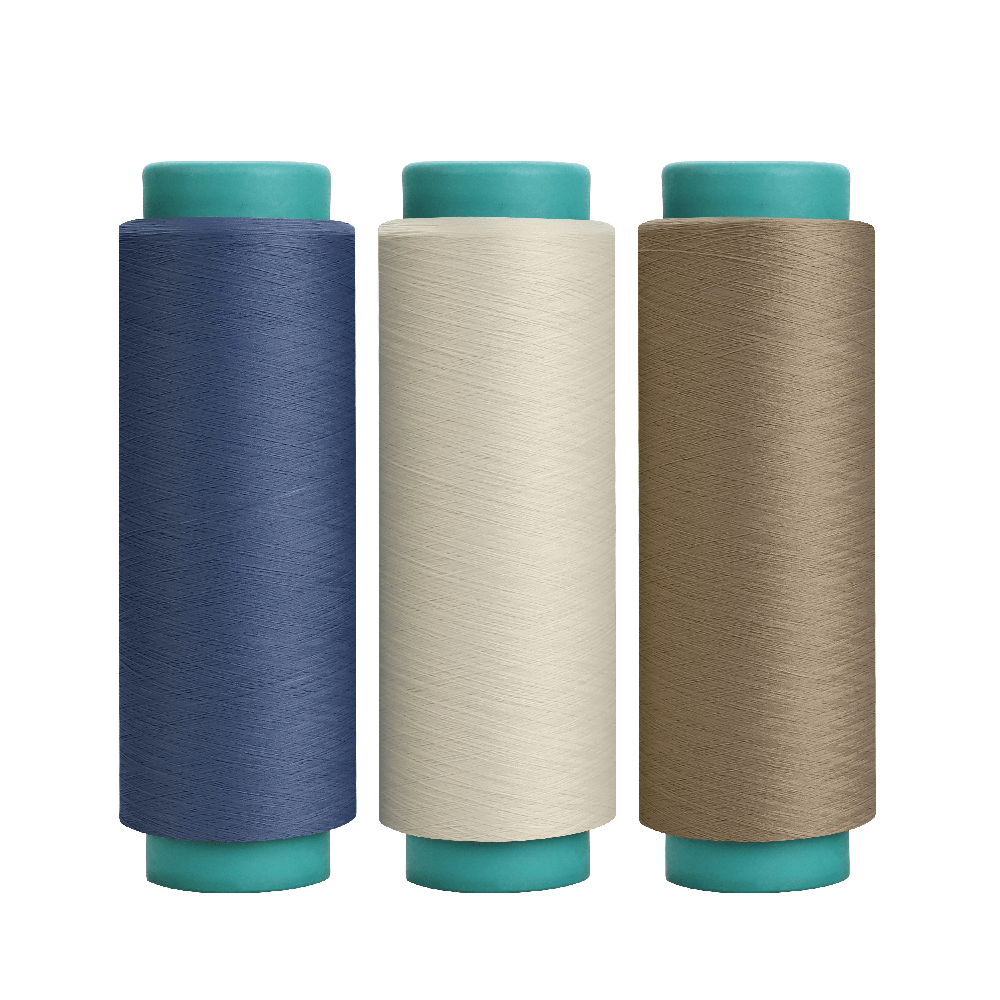
For engineering-grade parts, acid dyes offer superior control and repeatability. The process mirrors the dyeing of nylon high elastic yarn used in textiles, where consistency across batches is paramount. Suppliers of best dye for nylon 3D prints in a production context would be industrial chemical companies like Skychem, which specialize in acid dye formulations for polyamide .
Which Colored Nylon Filaments Resist High Temperatures?
Defining Heat Resistance: HDT and Annealing
Heat resistance in nylon is quantified by the Heat Deflection Temperature (HDT). For heat resistant colored nylon filament, the base polymer (PA6 vs. PA12 vs. PPA) and the additive package (fiber reinforcement) are the primary determinants. Colorants themselves must be thermally stable to withstand both the printing process and the end-use environment.
Performance Data of Heat-Stabilized Variants
Recent developments in high-temperature nylon compounds have pushed the boundaries of what is possible with FDM. These materials often incorporate glass or carbon fiber to enhance thermal stability . The table below compares the thermal properties of various nylon grades.
| Filament Type | Base Polymer | Heat Deflection Temp (HDT @ 0.45MPa) | Key Feature |
|---|---|---|---|
| Standard Nylon (Unfilled) | PA6/66 | ~80 - 90°C | General purpose durability |
| Glass Fiber Reinforced Nylon | PA6 / PPA | ~180°C | Dimensional stability under load |
| Carbon Fiber Reinforced Nylon | PA6 / PA12 | ~140 - 157°C | Stiffness and thermal resistance |
| High-Temperature Nylon (PPA) | PPA (Polyphthalamide) | ~190 - 200°C | Metal replacement in hot environments |
Cross-Industry Insights on Thermal Stability
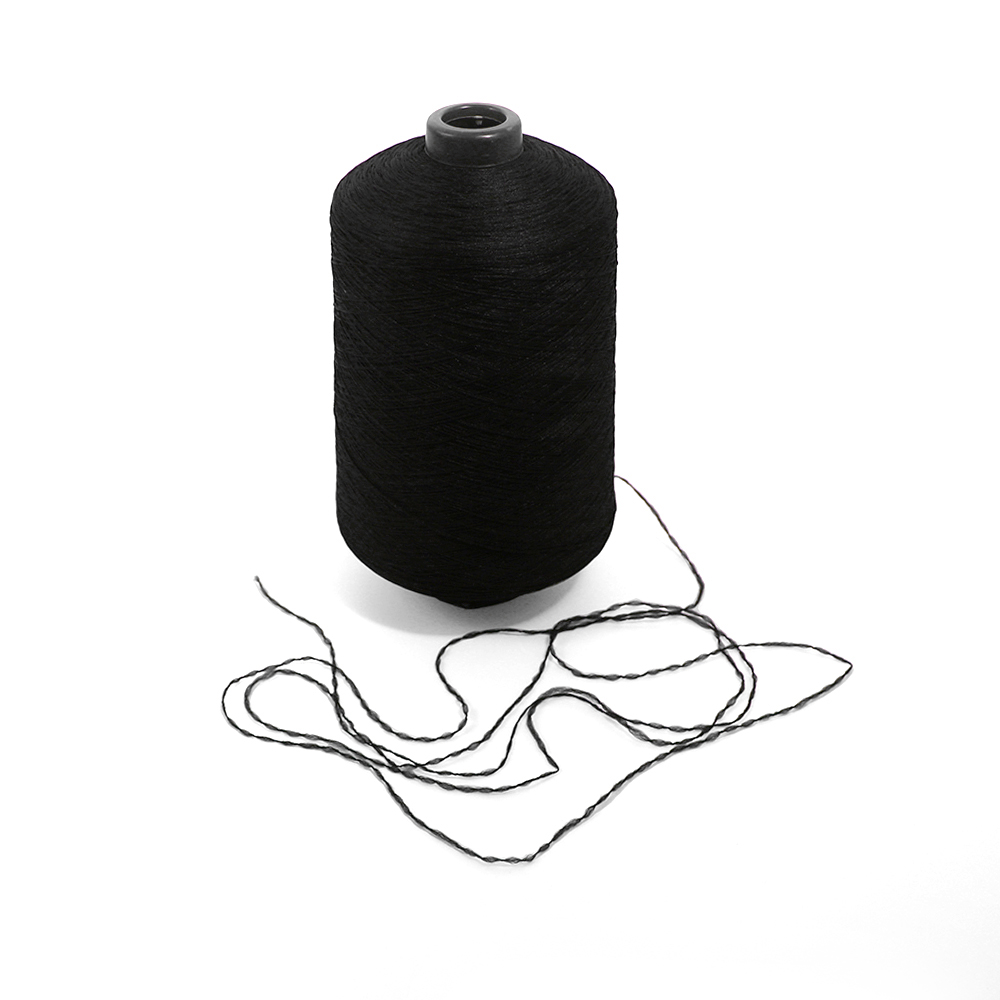
The ability of nylon to retain color under heat is a quality control metric in the textile industry. For instance, the heat setting processes used on nylon high elastic yarn to lock in twist and bulk must not cause dye migration or fading. This principle is directly transferable to 3D printing. When sourcing heat resistant colored nylon filament, procurement professionals should inquire about the pigment's decomposition temperature and its effect on the polymer's crystallization kinetics. The industrial expertise in handling polyester hot melt yarn and nylon for high-temperature fabric applications, as practiced by companies with large-scale facilities, underscores that thermal stability and color fidelity are not mutually exclusive.
Conclusion
Colored nylon filament has evolved from a niche product to a technically robust category. By understanding the interplay between base polymer, additive reinforcement, and color chemistry, B2B buyers can select materials that meet stringent engineering requirements. Whether for safety-critical components in PA12 or high-heat automotive parts in glass-filled PPA, the integration of color no longer implies a compromise in performance.
Frequently Asked Questions (FAQ)
1. Does the color of the filament affect the mechanical strength of the final nylon part?
In high-quality compounds, the effect is negligible (<5% variance). The key is the dispersion of the pigment. Poorly dispersed pigment agglomerates can act as stress concentrators, leading to premature failure. Industrial-grade filaments use masterbatches with particle sizes optimized to avoid this.
2. Can I use standard textile dyes on 3D printed nylon parts?
Yes, and it is often the preferred method. Acid dyes, commonly used for nylon textiles, are excellent for 3D prints . The process requires a heated dye bath and pH control, similar to dyeing nylon high-elastic yarn. This method is superior to painting as it does not alter the part's surface texture or dimensional tolerances.
3. What is the maximum operating temperature for colored nylon in a continuous use application?
This depends on the base polymer and reinforcement. Unfilled colored nylon typically has a continuous use temperature around 80-100°C. Glass or carbon fiber reinforced versions can withstand continuous use up to 150°C or more, with HDT values significantly higher . Always consult the manufacturer's Technical Data Sheet (TDS) for specific values.
4. Why is black the most common color for carbon fiber nylon?
The carbon fibers themselves are black. While the nylon matrix can be colored, the high loading of dark fibers masks most pigments, resulting in a dark, matte finish . The market demand prioritizes the mechanical properties of the fiber over aesthetic color variation.
5. How should colored nylon filament be stored to maintain color quality?
Nylon is hygroscopic and absorbs moisture from the air. Moisture can lead to hydrolysis during printing, causing surface defects like bubbles and a rough, dull finish that mutes colors. Filament must be stored in an airtight container with desiccant at <15% relative humidity . Drying before use (e.g., at 70-90°C for 4-8 hours) is often necessary to restore optimal optical and mechanical properties.
References
- Weerg. (2024). Colour 3D Printing with PA12: The Industrial Solution. [online] Available at: weerg.com/guides/colour-3d-printing
- Core Electronics. (2022). Taulman PCTPE Nylon. [online] Available at: core-electronics.com.au/taulman-pctpe-nylon-450-grams-1-lb-3mm.html
- Polymaker. (2025). Fiberon™ PA6-CF20. [online] Available at: us-wholesale.polymaker.com/products/fiberon-pa6-cf20
- Zortrax. (n.d.). Z-NYLON - Highly Durable 3D Printing Filament. [online] Available at: store.zortrax.com/materials/m200plus-z-nylon
- Rit Dye. (n.d.). Rit DyeMore for Synthetics. [online] Available at: ritdye.com/products/sandstone/
- QIDI Tech. (n.d.). PAHT-GF (PPA-GF) Filament. [online] Available at: ca.qidi3d.com/products/paht-gf-filament
- Skychem Group. (2026). Acid Dyes for Nylon, Wool, and Silk Explained. [online] Available at: skychemi.com/what-are-acid-dyes/
- 3D Printing Industry. (2025). Polymaker adds Fiberon PA612-ESD nylon filament. [online] Available at: 3dprintingindustry.com/news/polymaker-adds-fiberon-pa612-esd-nylon-filament-241965/
- UltiMaker. (2025). Nylon 3D printing material. [online] Available at: ultimaker.com/materials/nylon/
- Knowde. (2026). Zortrax Z-NYLON. [online] Available at: knowde.com/stores/zortrax/products?filters=chemical-family-polyamides