English
 中文简体
中文简体 Español
Content
- 1 Fundamental Polymer Science and Elasticity Mechanisms
- 2 Comparative Performance Analysis in Sportswear Context
- 3 Processing, Dyeing, and Sustainability Considerations
- 4 Strategic Procurement and Development Guidelines
- 5 Frequently Asked Questions (FAQ)
- 5.1 1. Can high elastic polyester yarn fully replace Spandex in sportswear?
- 5.2 2. Which material is more cost-effective in the long term?
- 5.3 3. How does dyeing performance differ, and why does it matter for sportswear?
- 5.4 4. Is high elastic polyester yarn suitable for high-compression athletic wear?
- 5.5 5. What are the key quality indicators to check when sourcing these yarns?
For textile engineers, sportswear brand developers, and strategic procurement specialists, the choice between High Elastic Polyester Yarn and Spandex (elastane) is a fundamental material science decision with direct impact on product performance, durability, cost structure, and sustainability profile. This technical analysis transcends surface-level comparisons, delving into polymer physics, mechanical testing data, and advanced processing requirements to provide B2B professionals with a definitive, evidence-based framework for material selection in competitive sportswear markets.
Fundamental Polymer Science and Elasticity Mechanisms
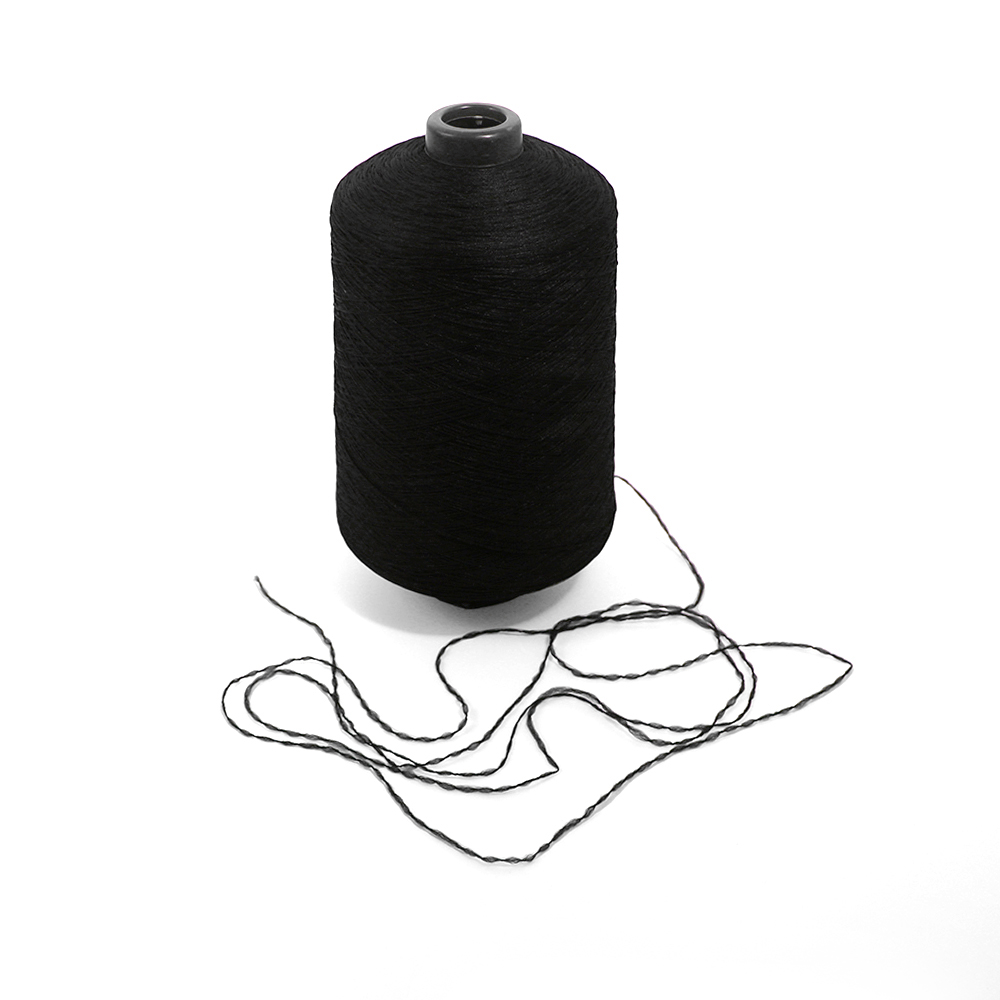
The core distinction lies in the molecular origin of elasticity. High Elastic Polyester Yarn is primarily composed of Polyethylene Terephthalate (PET). Its elasticity is not inherent to the polymer chain but is engineered through sophisticated mechanical processing. The high elastic polyester yarn manufacturing process involves steps like false-twist texturing and heat-setting, which impart a permanent, helical crimp to the filament. This physical crimp allows the yarn to stretch and recover, much like a spring. This results in a relatively moderate but highly durable and resilient elasticity.
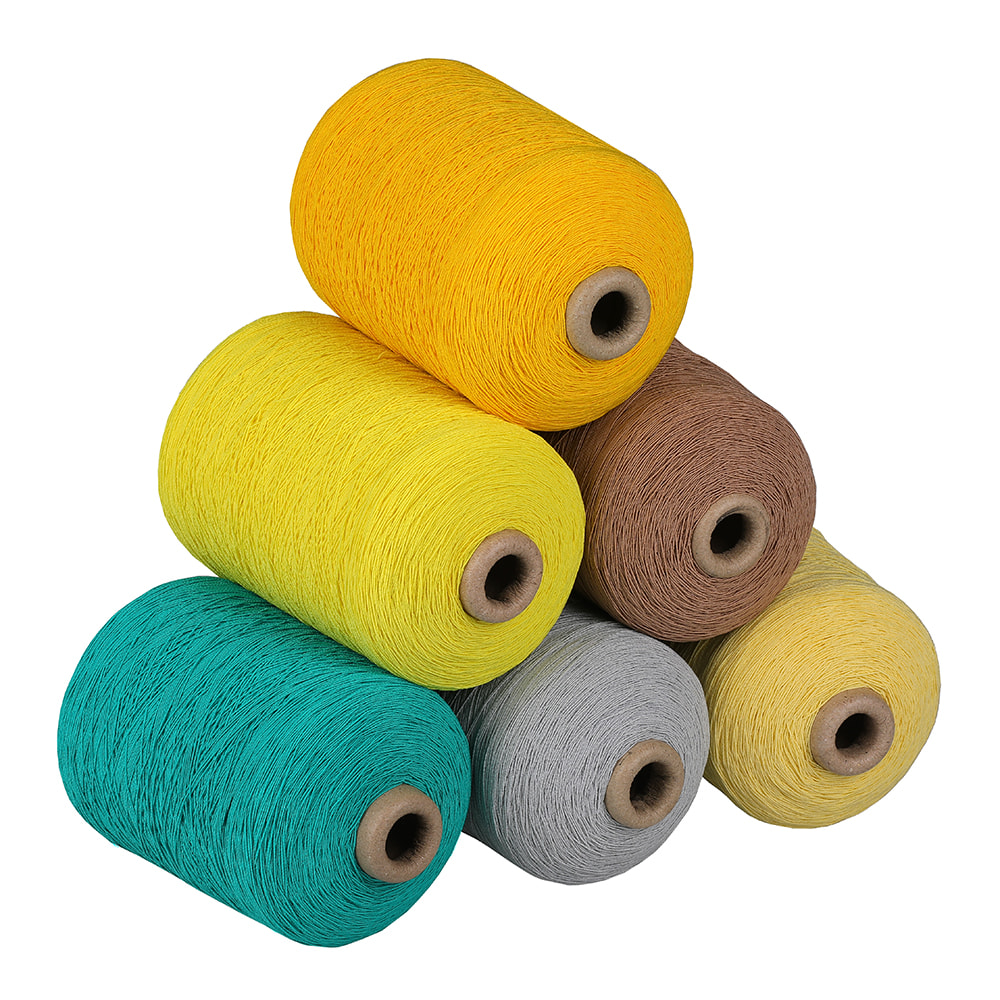
In stark contrast, Spandex is a block co-polymer based on polyurethane. Its exceptional elasticity (often 500-800% elongation) is chemically inherent, derived from its segmented structure of alternating "soft" amorphous segments (providing stretch) and "hard" crystalline domains (acting as anchor points for recovery). This grants Spandex its signature low modulus and high elongation, but also introduces vulnerabilities to environmental stressors like heat, chlorine, and UV exposure.
Comparative Performance Analysis in Sportswear Context
Mechanical and Functional Properties
A thorough understanding of the properties of high elastic polyester yarn versus Spandex is critical for application-specific design. The performance gap is not about one being universally "better," but about different suitability profiles.
| Performance Metric | High Elastic Polyester Yarn | Spandex (Elastane) |
| Typical Breaking Elongation | 20% - 50% (Moderate, directional stretch) | 500% - 800% (Very high, omnidirectional stretch) |
| Elastic Recovery & Power | High recovery (95%+), high power for muscle support and compression. | Excellent recovery, but lower power; provides containment, not compression. |
| Durability & Resistance | Excellent resistance to chlorine, UV, abrasion, and heat (up to 150-180°C). | Poor chlorine/UV resistance; degrades at high temperatures (>115°C). |
| Moisture Management | Inherently hydrophobic; excellent wicking when engineered with micro-channels. | Hydrophobic but non-absorbing; can trap moisture against skin. |
| Long-Term Performance (Fatigue) | Low permanent set; maintains elasticity and shape over hundreds of washes. | Prone to gradual loss of elasticity and "bagging out" due to polymer chain breakdown. |
This data informs the classic high elastic polyester yarn vs spandex debate. Polyester yarn is the workhorse for applications requiring durability and structural integrity, while Spandex is the specialist for ultimate freedom of movement and skin-tight fit.
Application-Specific Selection: Socks and Beyond
The choice becomes highly specific in categories like socks. The use of high elastic polyester yarn for socks, particularly in the leg and instep, is favored for its ability to provide firm, lasting support without constriction. It maintains its tension throughout the day and across wash cycles, unlike Spandex-blend cuffs that can relax. For high-impact activities, the muscle-hugging compression and moisture-wicking properties of polyester-based fabrics offer a distinct performance and comfort advantage.
Processing, Dyeing, and Sustainability Considerations
Coloration and Finishing Challenges
The dyeing process for high elastic polyester yarn is a mature and robust technology. It utilizes disperse dyes under high temperature and pressure (HT/HP), achieving excellent color fastness to washing, light, and crucially, chlorine—a key requirement for swimwear and activewear. Spandex, however, presents a significant technical challenge. It typically requires acid or special disperse dyes, and the process parameters (temperature, pH, carrier agents) must be meticulously controlled to avoid damaging the sensitive polyurethane chains, often resulting in lower color fastness, particularly to chlorinated water.
Industry Evolution and Mono-Material Trends
The textile industry is undergoing a significant shift driven by recycling imperatives. According to the latest report by Textile Exchange, there is a strong and growing market push towards mono-material fabric constructions to simplify and improve the efficiency of chemical recycling processes. Fabrics using 100% polyester, including high-elastic variants, are inherently better suited for closed-loop recycling compared to complex poly-cotton or polyester-spandex blends, which are difficult to separate and degrade recycling output quality. This positions high-elastic polyester as a strategically future-proof material for brands developing circular product lines.
Source: Textile Exchange - Materials Market Report 2024: Pathways to Circularity
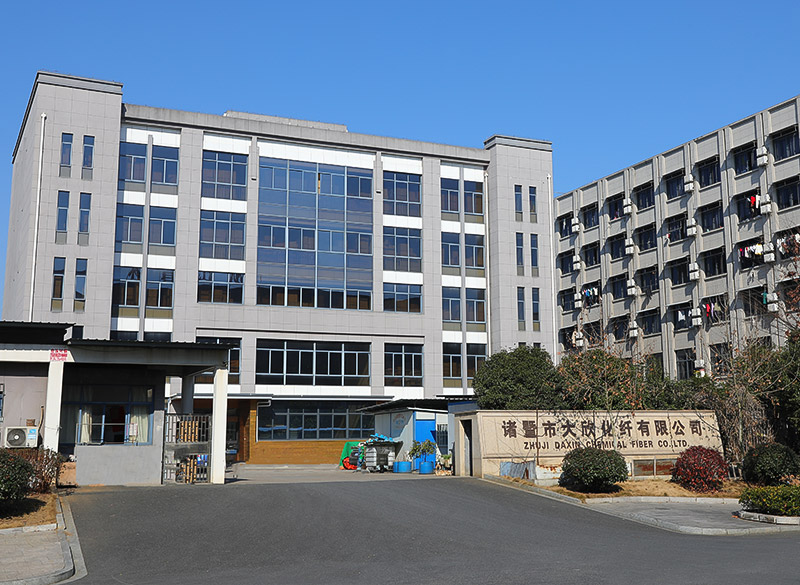
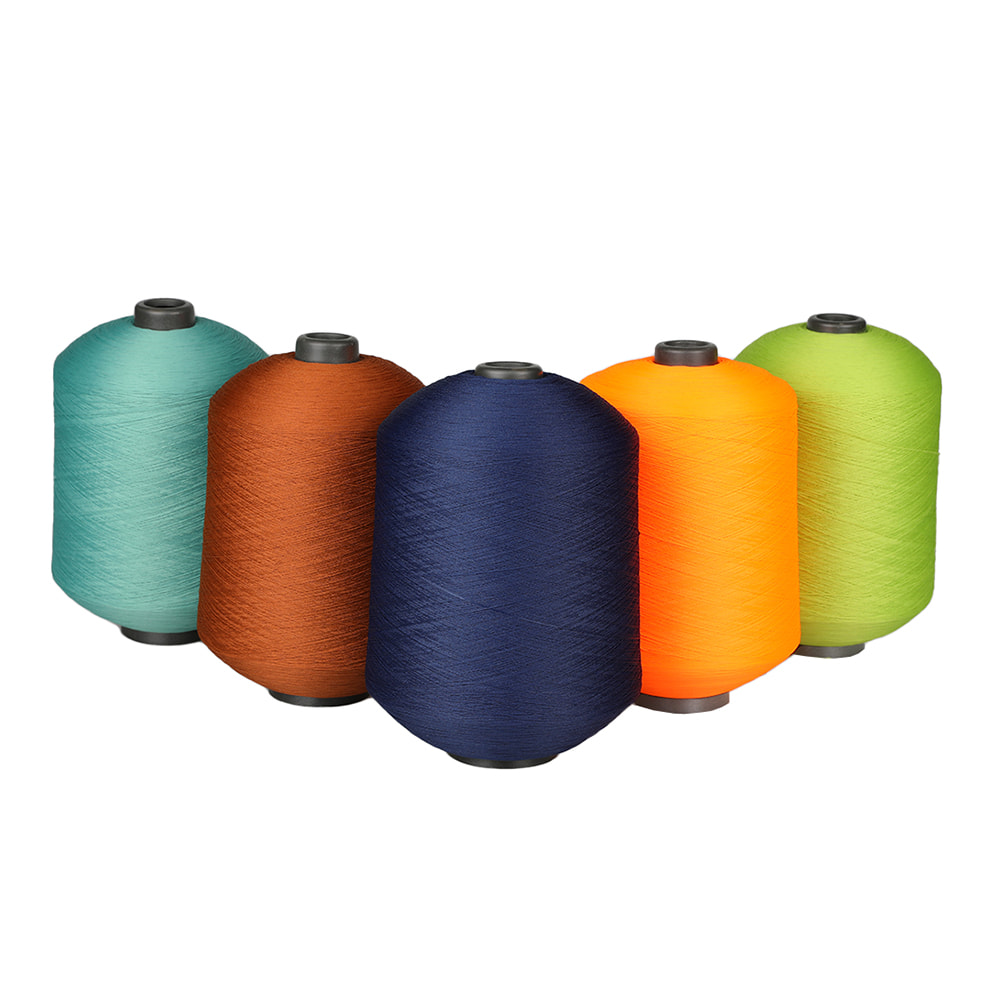
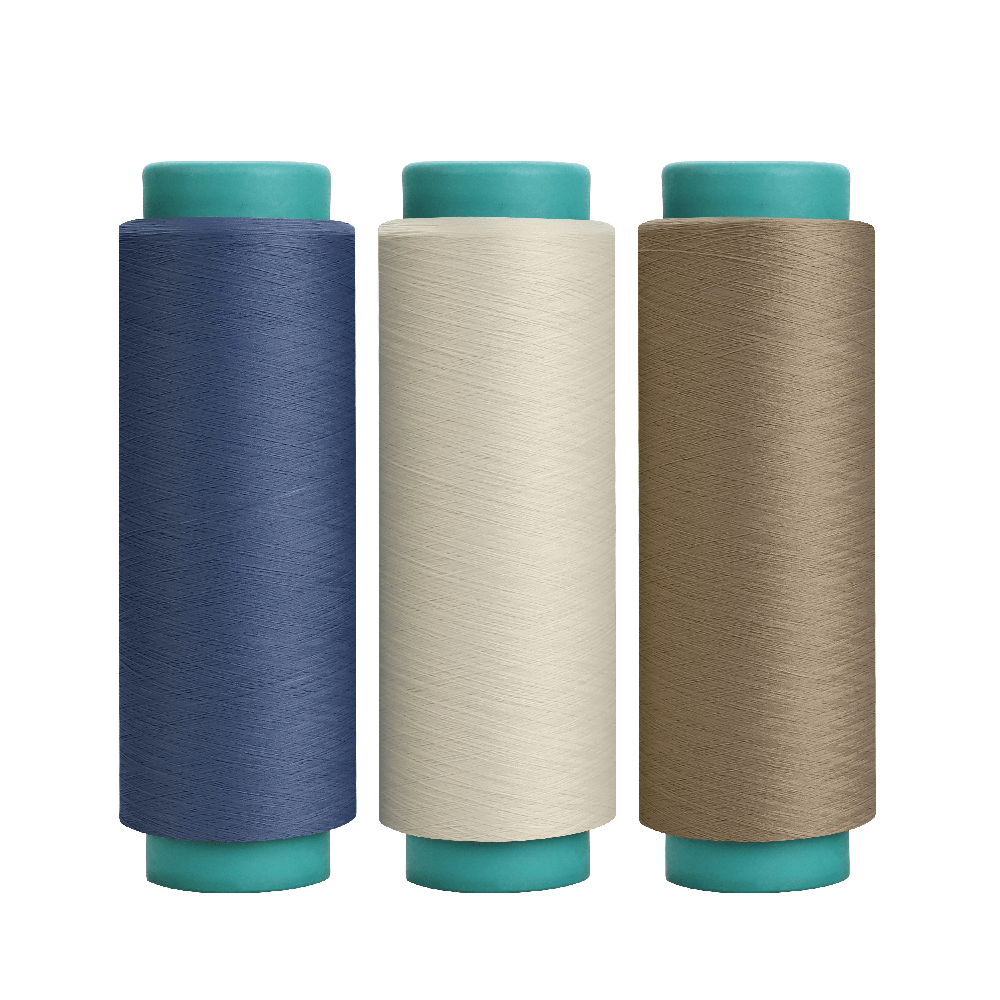
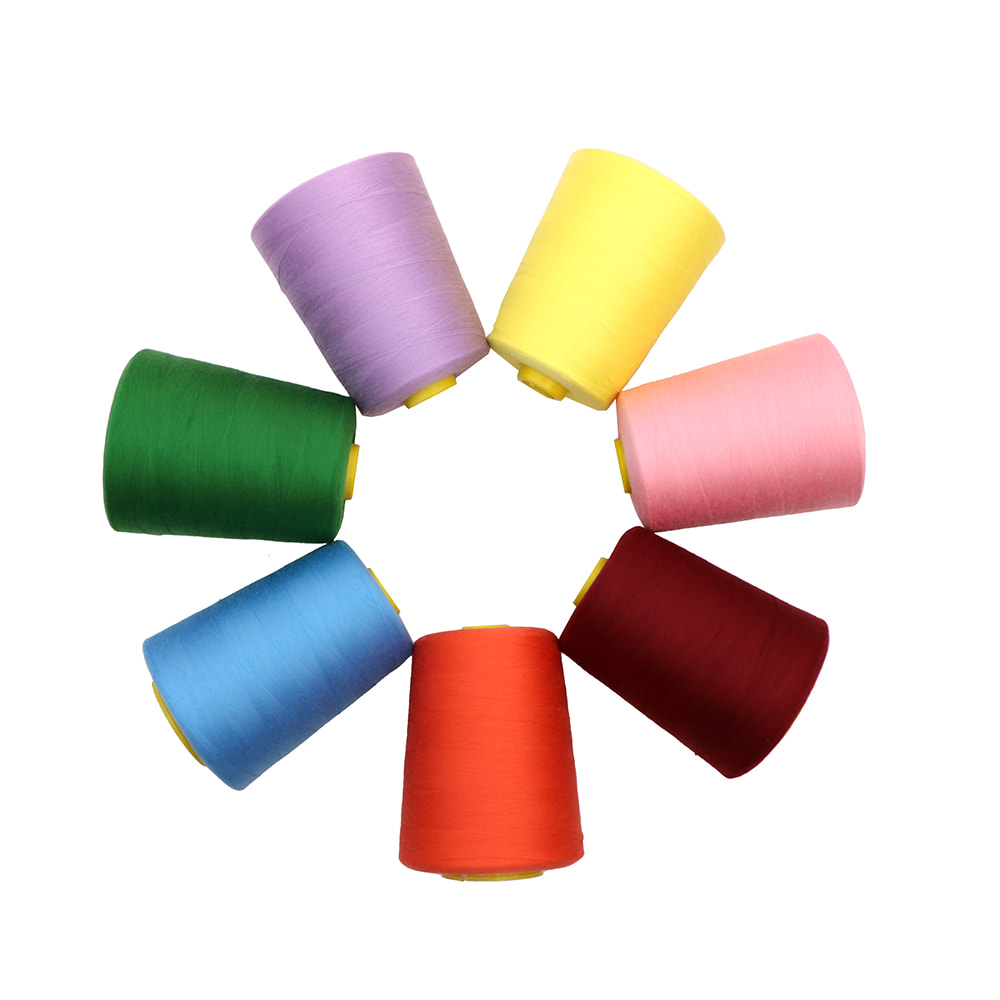
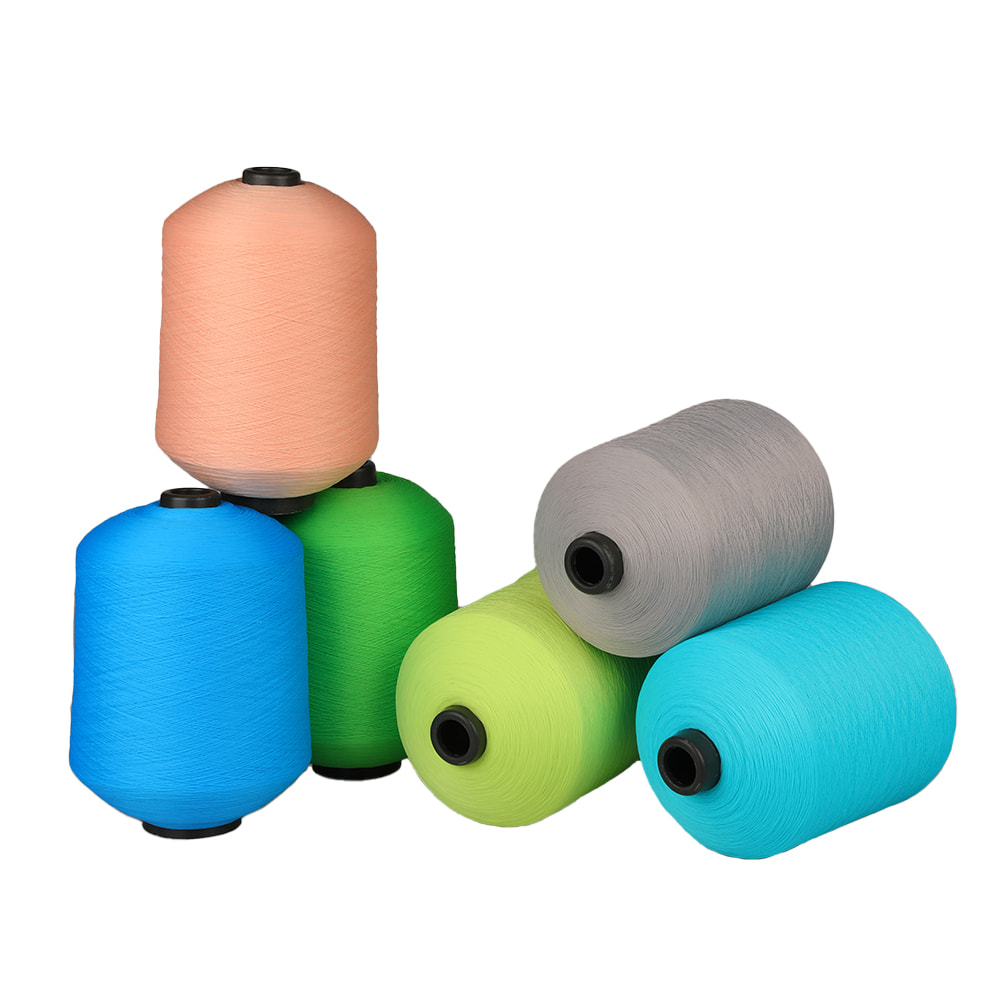
For a forward-thinking manufacturer like Zhuji Daxin Chemical Fiber Co., Ltd., this trend aligns with core competencies. Since 2011, the company has focused on producing specialized yarns like polyester high elastic yarn and nylon high elastic yarn, with a daily output exceeding 100 tons. Operating from a 50,000+ square meter facility in the textile hub of Zhuji, its expertise lies in mastering the complex high elastic polyester yarn manufacturing process to deliver consistent quality. The ability to offer over 2,000 color options directly addresses the critical need for vibrant, fast coloration in performance fabrics, providing partners in sportswear, socks, and elastic fabrics with a reliable, vertically-integrated source for advanced materials that meet both performance and emerging sustainability benchmarks.
Strategic Procurement and Development Guidelines
For product developers and procurement teams, the decision matrix should be driven by end-use specifications:
- Specify High Elastic Polyester Yarn When:
- Product lifespan, durability, and shape retention are top priorities (e.g., base layer training wear, hiking apparel).
- Superior moisture-wicking, quick-drying, and UV protection are required.
- The application involves high heat (e.g., in drying, pressing) or exposure to chlorine (swimwear) and sunlight.
- Designing for end-of-life recyclability within a mono-material polyester stream.
- Targeting a balance of moderate stretch with high recovery power for compression and support.
- Specify Spandex (as a Blend Component) When:
- The design demands extreme, multi-directional stretch and a true "second-skin" fit (e.g., competition swimsuits, high-end compression leggings).
- Fabric hand feel requires exceptional softness and low modulus.
- The garment structure requires elasticity that pure polyester yarn cannot physically achieve.
The most common and often optimal solution is a hybrid approach: using a high-elastic polyester as the durable, functional face fabric backbone (e.g., 85-92%) blended with a small percentage of Spandex (e.g., 8-15%) to fine-tune the stretch characteristics and improve fit conformity.
Frequently Asked Questions (FAQ)
1. Can high elastic polyester yarn fully replace Spandex in sportswear?
No, not in all applications. While it excels in durability and resilience, its maximum elongation (typically 20-50%) is fundamentally lower than Spandex's (500%+). For garments requiring extreme, multi-directional stretch (e.g., competitive gymnastics leotards, high-compression base layers), Spandex remains technically irreplaceable. The replacement is viable and advantageous in applications where moderate stretch with superior durability is key.
2. Which material is more cost-effective in the long term?
While the raw material cost of high elastic polyester is often competitive, its true cost-effectiveness shines in total cost of ownership. Its resistance to chlorine, UV, and heat dramatically extends garment life, reducing warranty claims and returns. Spandex-containing garments may have lower initial fabric cost in some blends but are prone to faster degradation, leading to shorter product lifespan and potential customer dissatisfaction, impacting brand reputation.
3. How does dyeing performance differ, and why does it matter for sportswear?
The dyeing process for high elastic polyester yarn yields superior and more predictable fastness, especially to chlorine (for swimwear) and sweat. Spandex is difficult to dye evenly and its colorants are more susceptible to fading from body oils, chlorine, and repeated washing. For sportswear, where vibrant colors and brand logos must withstand intense use and frequent laundering, the dyeing advantages of polyester are a significant quality and branding benefit.
4. Is high elastic polyester yarn suitable for high-compression athletic wear?
Yes, and it is often preferred for its "power" or compressive feel. While Spandex provides containment, high-elastic polyester can be engineered to deliver graduated, supportive compression that aids muscle oscillation reduction and recovery. Its ability to maintain this compression over time, without sagging, makes it a prime choice for performance compression sleeves, socks, and supportive training apparel.
5. What are the key quality indicators to check when sourcing these yarns?
For high elastic polyester yarn, critical specifications include: Consistency of Elasticity & Recovery (tested over multiple cycles), Tenacity and Abrasion Resistance, Thermal Stability (shrinkage at washing/drying temperatures), and Color Fastness Data (particularly to chlorine if applicable). For Spandex, focus on Denier Consistency, Elasticity Retention after heat/chemical exposure, and the specific polymer type's resistance to yellowing and degradation. Partnering with a certified manufacturer with a CNAS-accredited lab, like Zhuji Daxin Chemical Fiber, ensures access to this technical data and consistent batch-to-batch quality.